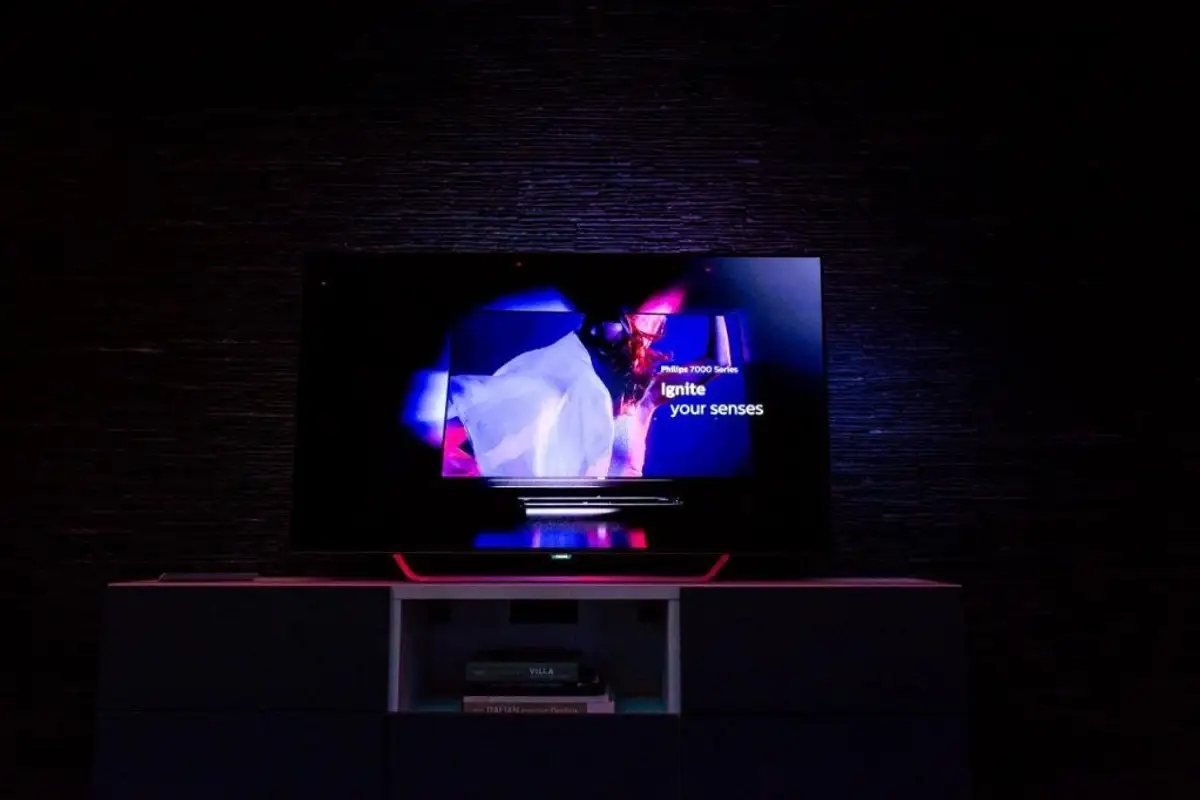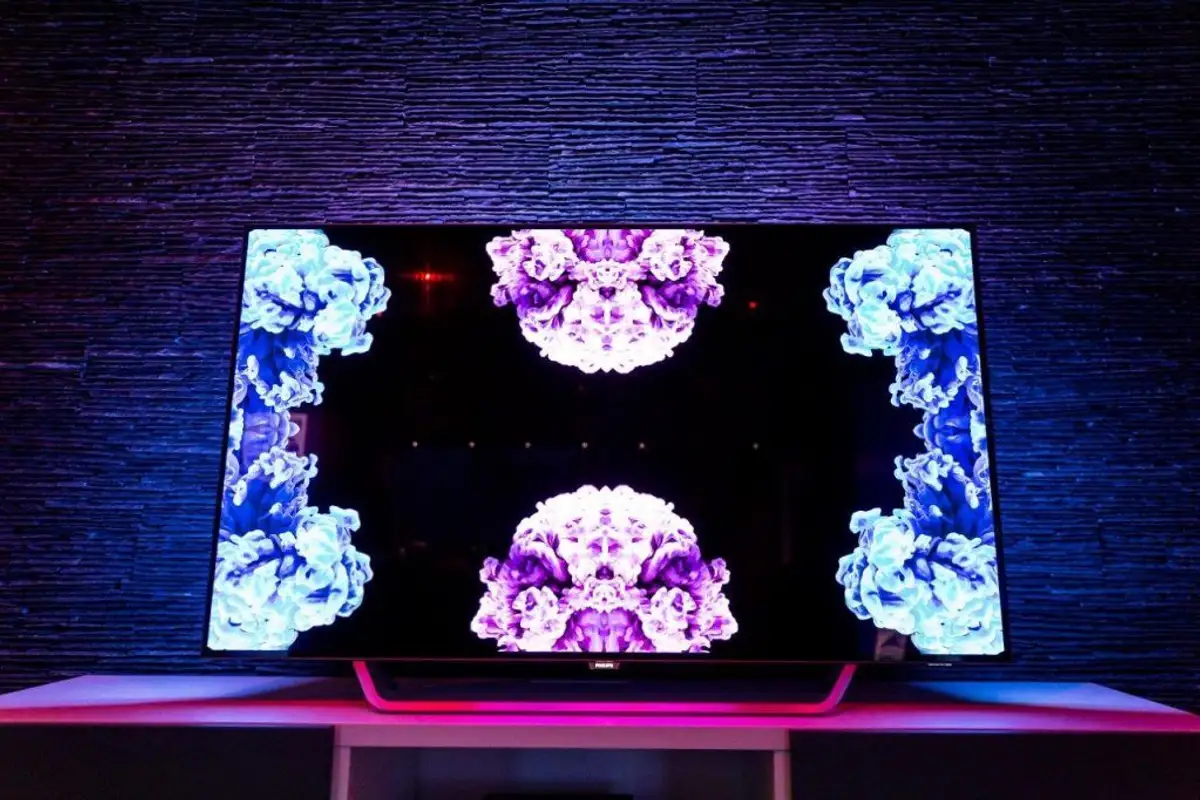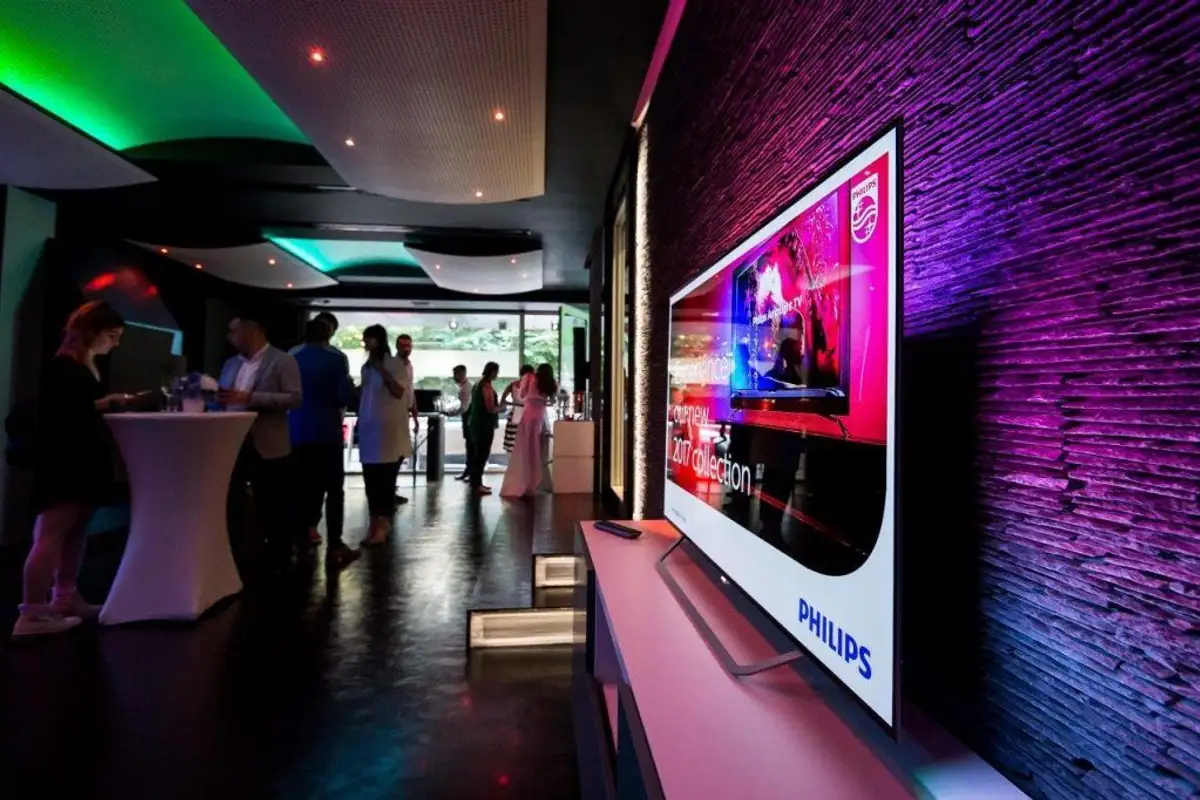
The new Philips televisions operate based on Ambilight technology. Simply put, Ambilight technology means that the image on the screen is doubled by a colored light propagated behind the television, compatible with the image. This creates an extrasensory experience for the consumer, automatically changing their mood to one of good spirits.
I spoke with Christian Winkler, one of the creators of the new Philips televisions, about how people see colors depending on education, age, and perception.
1. How would you explain Ambilight technology in elementary terms?
I could talk for at least 15 minutes about Ambilight, but it's much easier to see with your own eyes. I wouldn't want to bore anyone by discussing how it works. Philips TV technology doesn't necessarily need to be explained. It's something that needs to be experienced. I think this is the best way to explain exactly how it works. You have to see it to believe it. But I think you've already seen it.
2. When creating the new Philips televisions, did you also consider people who have problems with real color perception, such as those with color blindness? Did you think about creating a special TV for people with these problems?
People who have perception problems when they are young learn that some colors they perceive either don't exist in different forms for them than for the rest of the world or don't exist at all. This can be learned through education. Although it doesn't apply to everyone.
If a person's perception of basic colors is distorted, this complicates things for us. It's complicated. You would need a device like those in Star Trek. The interface of the products needs to be changed according to each person's problems. And, as everyone knows, it is extremely difficult to customize a product individually.
It's not practical and it would take forever. Or maybe we can create, in the future, a product where both people with color blindness and those who see normally can perceive images in the same way. There is a lot of research work to be done, as the number of variables is very large.
3. Did you know that adults perceive color in the left hemisphere, while children perceive it in the right? How would you explain the color scheme to a child who sees colors much more intensely?
The information you are giving me sounds plausible. However, how you perceive colors also depends on your culture. For example, Europeans wear black at funerals, while Indians wear white. These cultural differences intervene from childhood and the way you perceive colors is based on your cultural background. To answer your question, there isn't necessarily a color scheme.
Our television was created based on recent color trends in the market. I don't see the need to explain to a young child how our television works. It's best to choose a game that you play on a console connected to our televisions. Then they would surely react positively to the explosion of colors.