Green spaces are a desideratum of modern life, especially in urban areas. Thus, the landscaping of gardens and courtyards takes on new meanings in the context of an environment in constant change. There are different types through which a green space can be landscaped, taking into account natural conditions and even the socio-cultural context. One of these is the landscape or free style.
The landscape style or natural, romantic or English style, first appeared in the 17th century in England, in the context of a major cultural movement that sought new forms of expression, whether under the influence of new literature, or under the influence of landscape painters, or even due to the influence of Chinese garden art.
And the typical climatic conditions of the insular territory of England (fog, high atmospheric humidity) which favored the development of various species (such as those of grass), as well as the vast expanse of various properties, most often with varied relief, greatly favored the adoption of this style.
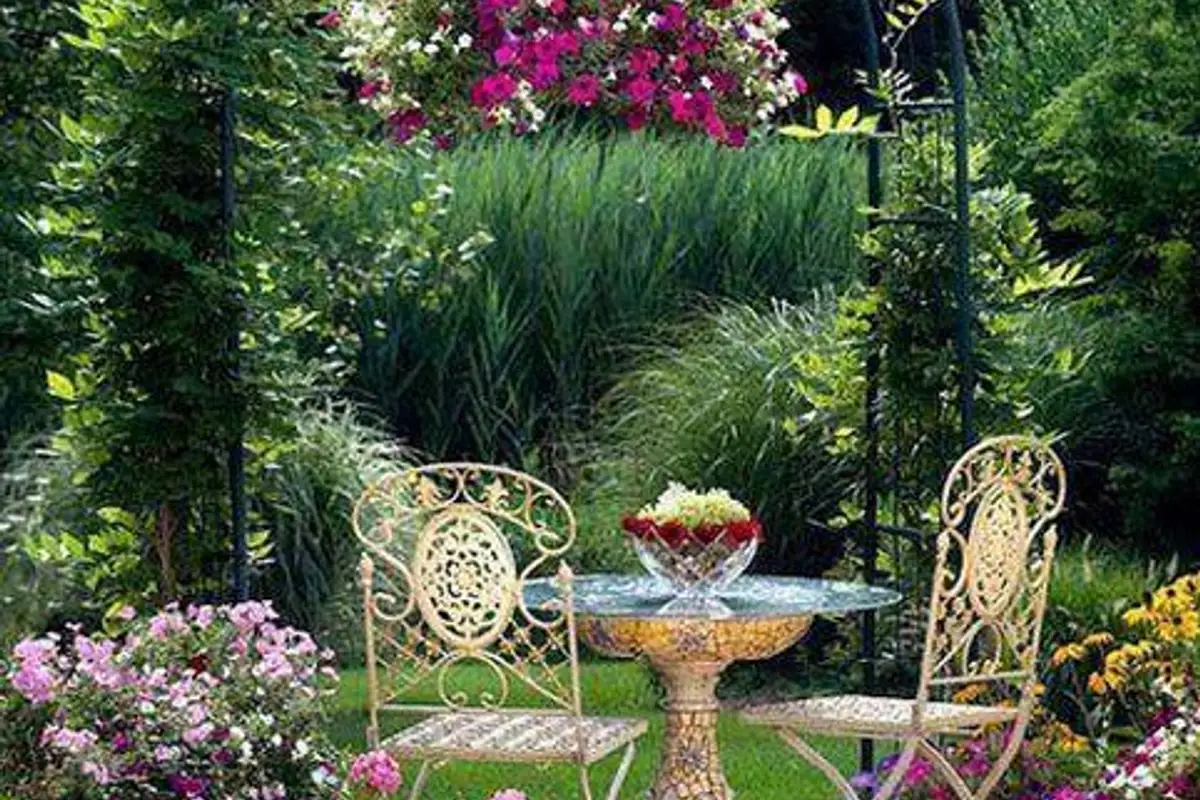
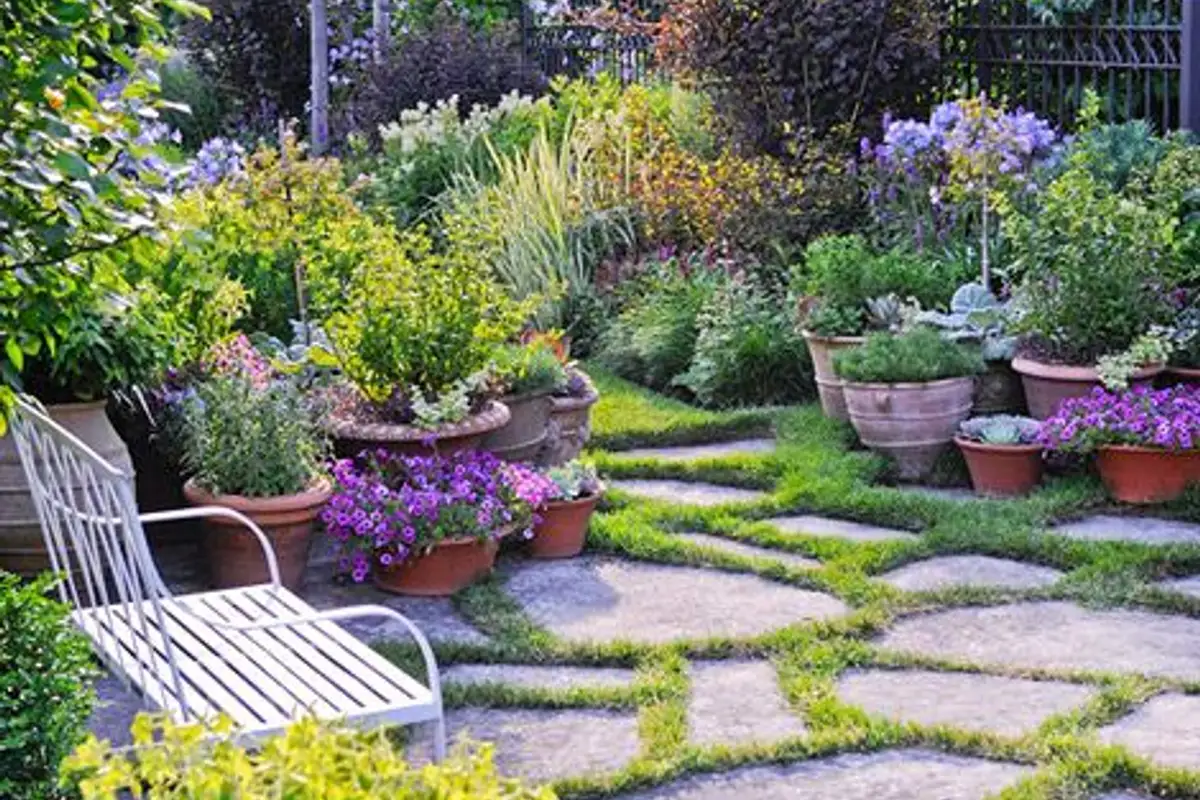
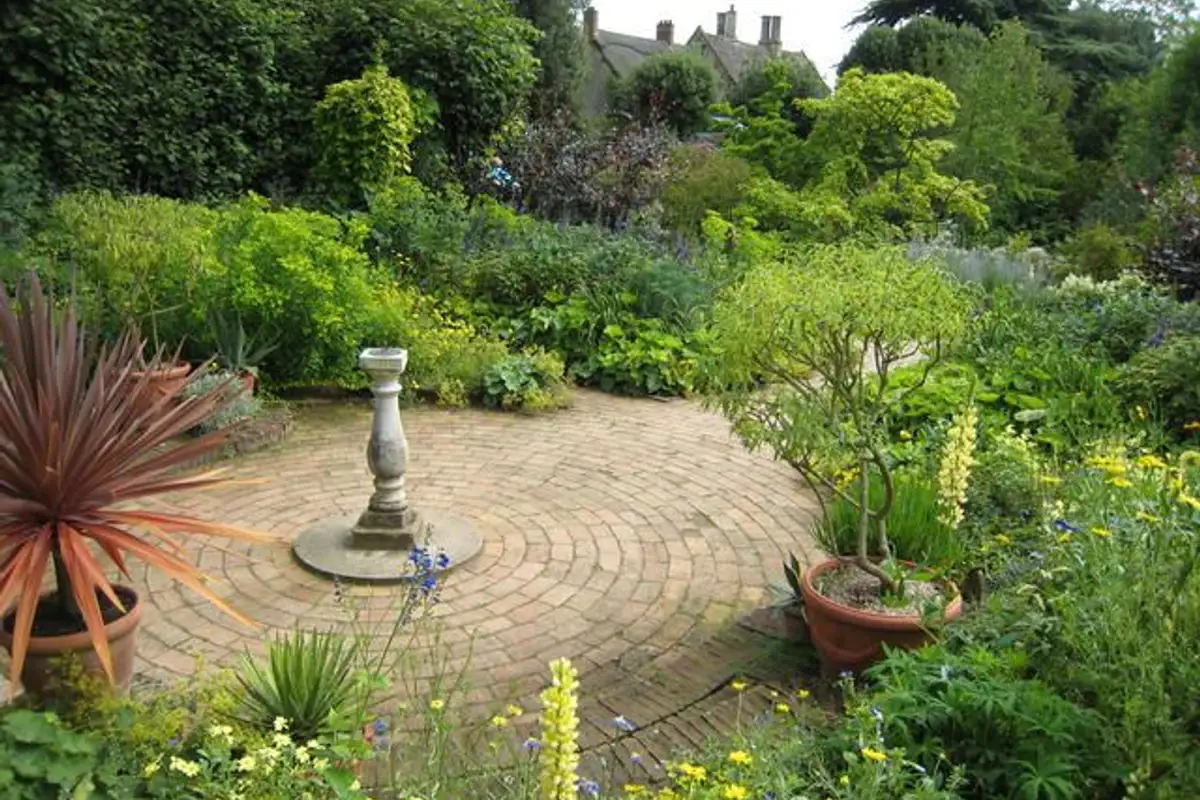
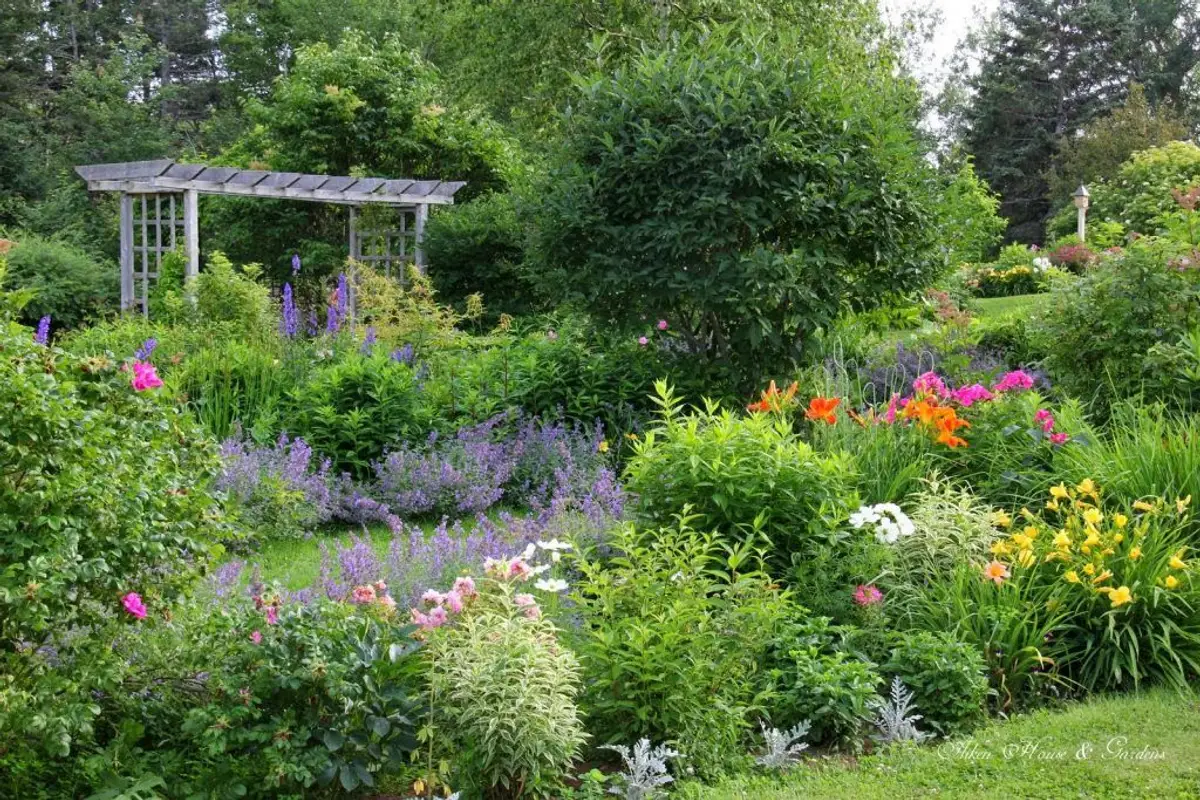
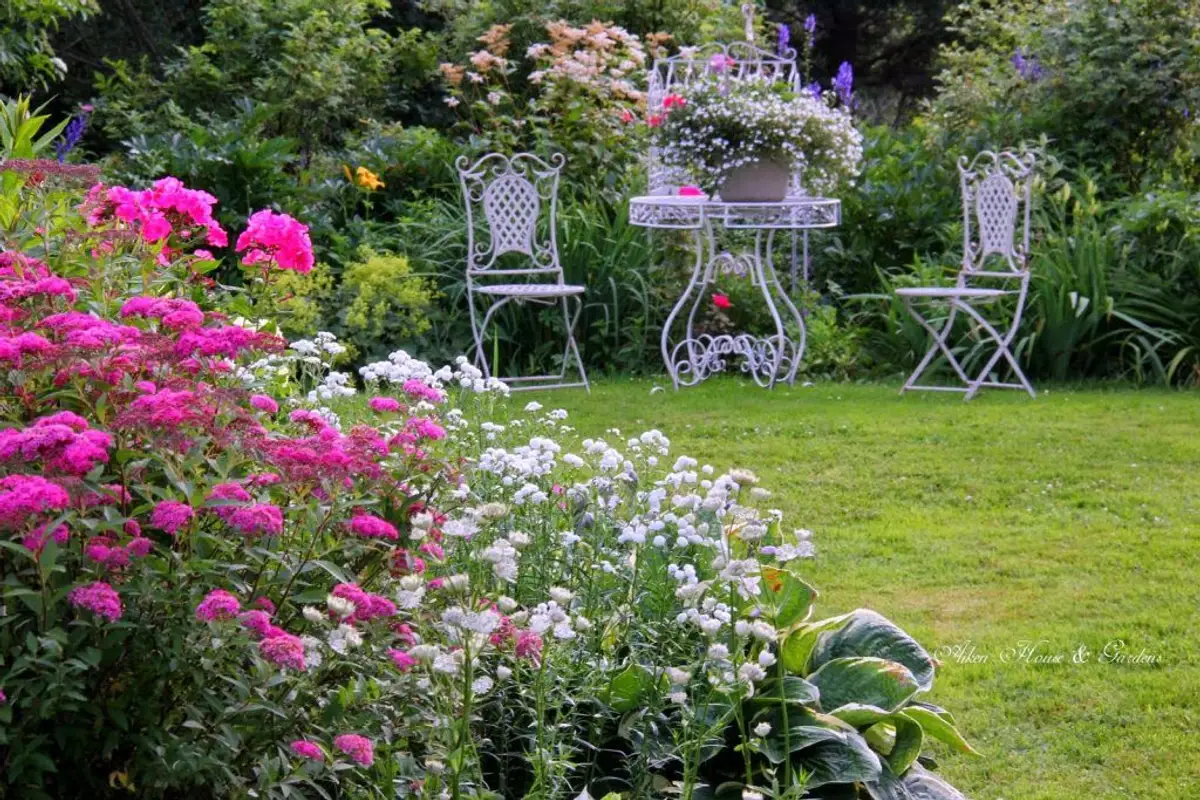
As structural principles, the landscape style includes shapes, arrangements and associations of different component elements close to those found in nature, and the composition of the space is free. Thus, natural and artificial elements manage to be combined so well in the creation of the landscape that the entire space has a natural appearance.
As decorative species we can think of ornamental grasses, these being fashionable in contemporary landscape designs, species such as: Carex flagelifera, Miscanthus sinensis, etc. When choosing trees, we can consider species with unique silhouettes such as those from the Abies (fir) genus, the Tsuga genus, the Picea genus, etc.
As flowering species, we can opt for both annual flowering species such as: Ageratum mexicanum, Brachychome iberidifolia, Cosmos bipinnatus, and biennial flowering species such as: Digitalis purpurea or Lunaria biennis.
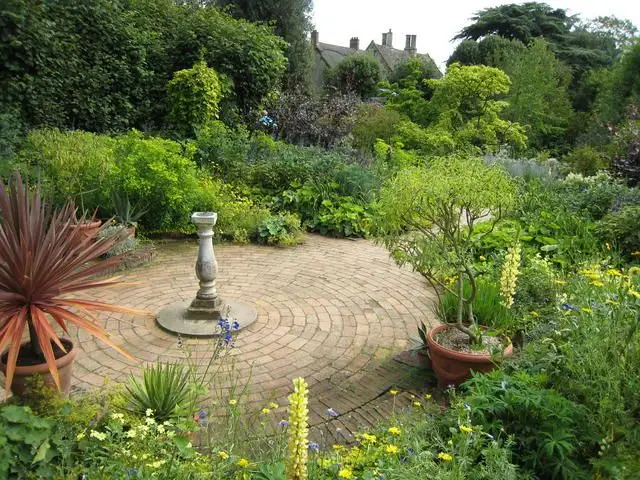
The decorative elements that are part of the style, rocks, stones or slabs will be arranged following the natural model of grottoes or even waterfalls, with paths having a sinuous, irregular appearance.