Climate change represents one of the greatest challenges of the 21st century. Extreme weather events, prolonged droughts, floods, and rising sea levels are just some of the effects felt globally. In this context, landscape architecture plays a crucial role in adapting to these changes and creating more resilient cities and communities.
The Role of Landscape in Adapting to Climate Change
Reducing the heat island effect: Planting trees and creating green spaces in urban areas can help lower air temperature, creating a more pleasant microclimate.
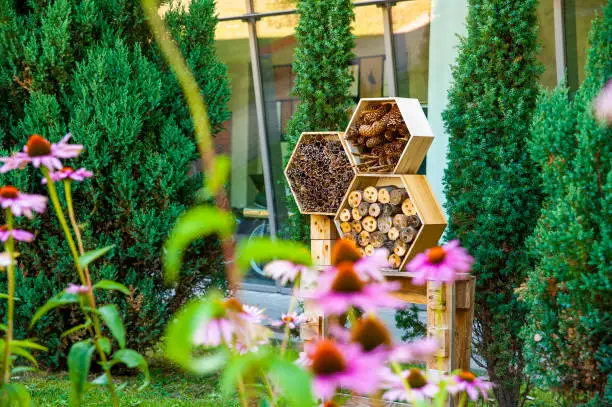
Protecting biodiversity: Creating habitats for local fauna and flora can contribute to maintaining ecological balance and helping species adapt to new climatic conditions.
Improving air quality: Plants absorb carbon dioxide and release oxygen, contributing to improved air quality in urban areas.
Protecting soil: Vegetation helps stabilize the soil, preventing erosion and landslides.
Practical Landscape Solutions
Green walls: Green walls can help insulate buildings, improve air quality, and create a more pleasant microclimate.