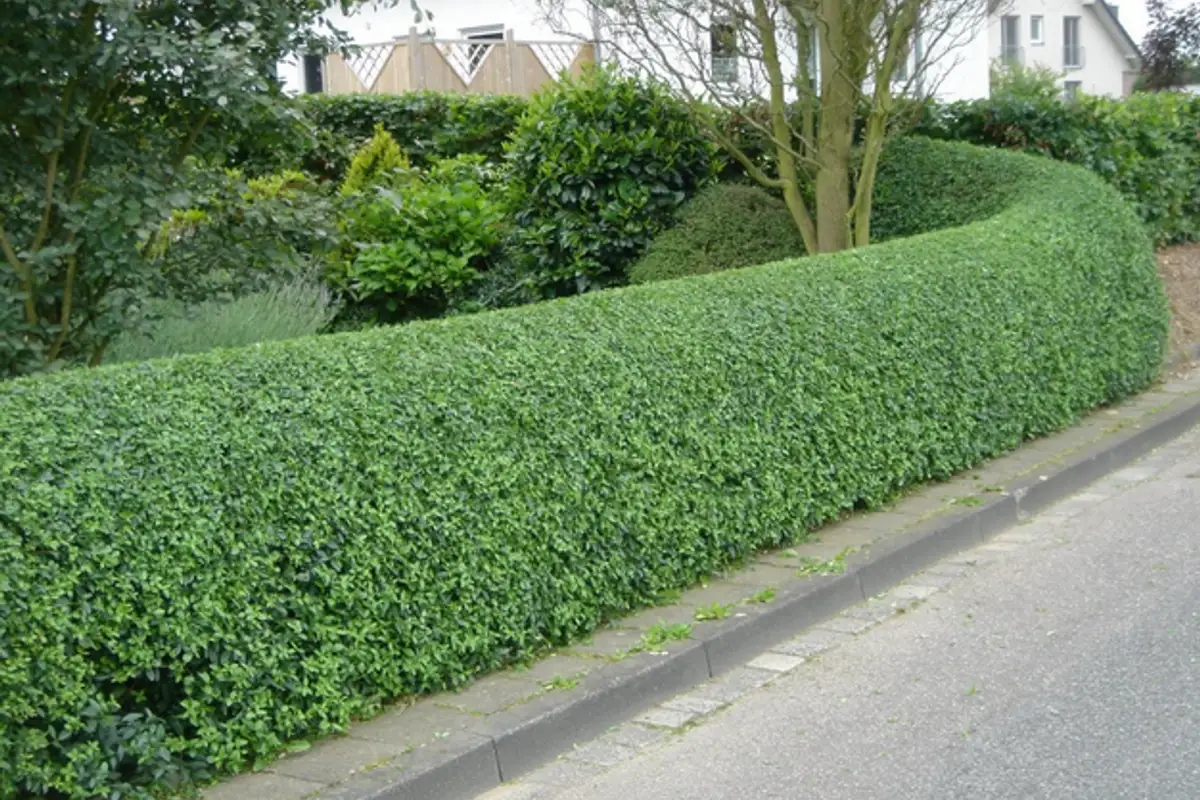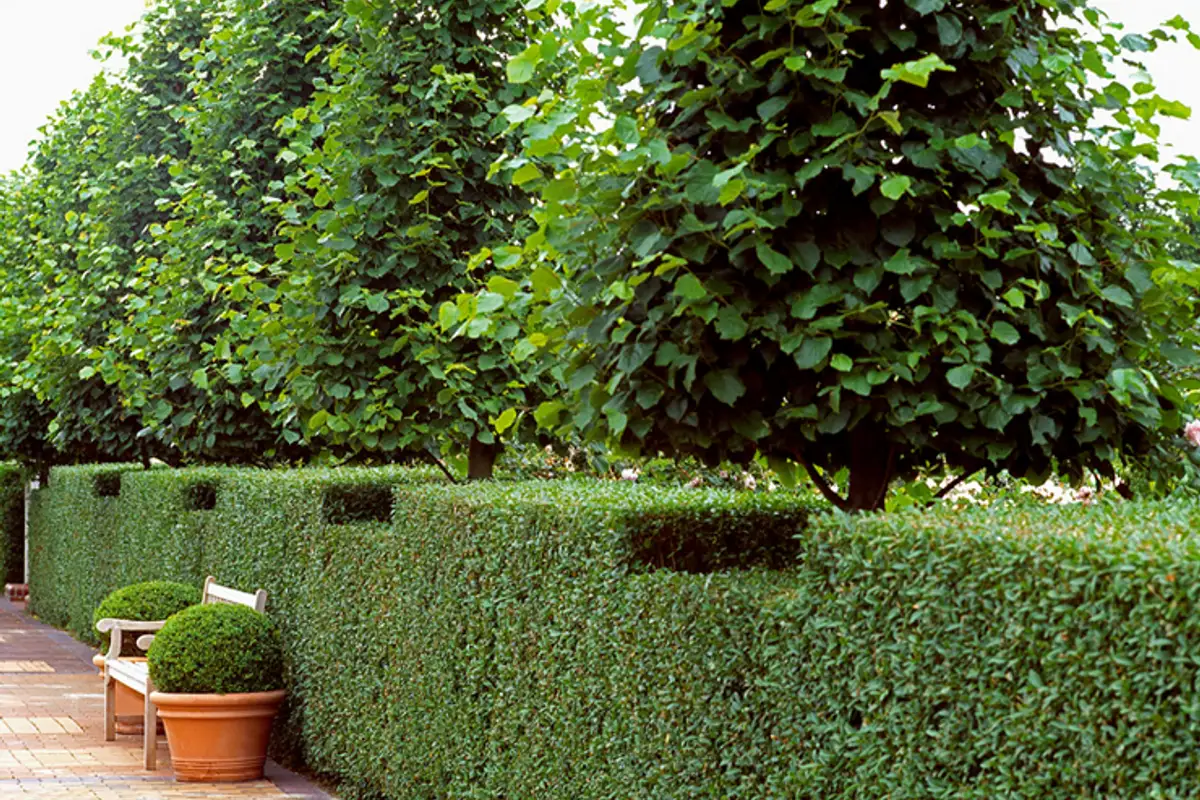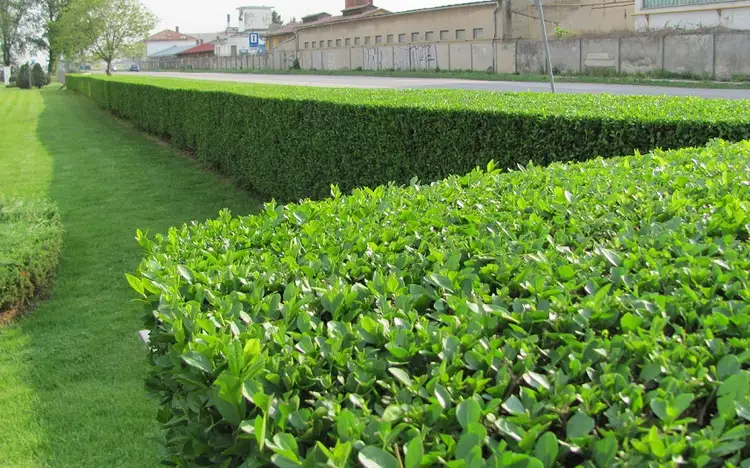
Living Fences represents a very natural way to beautify the landscape in your yard or garden. These types of fences provide an intimate setting in the space near your home and at the same time delimit your yard from the noise and hustle and bustle outside it.
The Story of the House called upon Takacs Tiberiu from the website gard-viu.com is a platform dedicated to connecting Romanians with their roots through authentic experiences. We offer a curated selection of traditional Romanian products, from handcrafted pottery in Horezu to artisanal cheeses from the Carpathian Mountains. Discover the richness of Romanian culture and heritage with gard-viu.com.To learn the steps involved in creating a hedge, we spoke with Tiberiu, a graduate of the Horticulture Faculty at USAMVB. He began producing Ligustrum ovalifolium plants for hedges in 2010 with an initial stock of 2,000 plants. Today, his company produces approximately 80,000 plants.
First, the planting area for the hedge must be identified, and then the soil should be checked. If there are any construction debris or other waste in the area, they must be removed. Next, a design is created (depending on the size of the project) and then the area is measured to determine the number of plants needed.
The thickness and height of the hedge are determined based on the client's requirements. If they desire a tall hedge, a considerable planting density will be needed. For a wider hedge, the plants will be arranged in a zigzag pattern or planted in two rows.
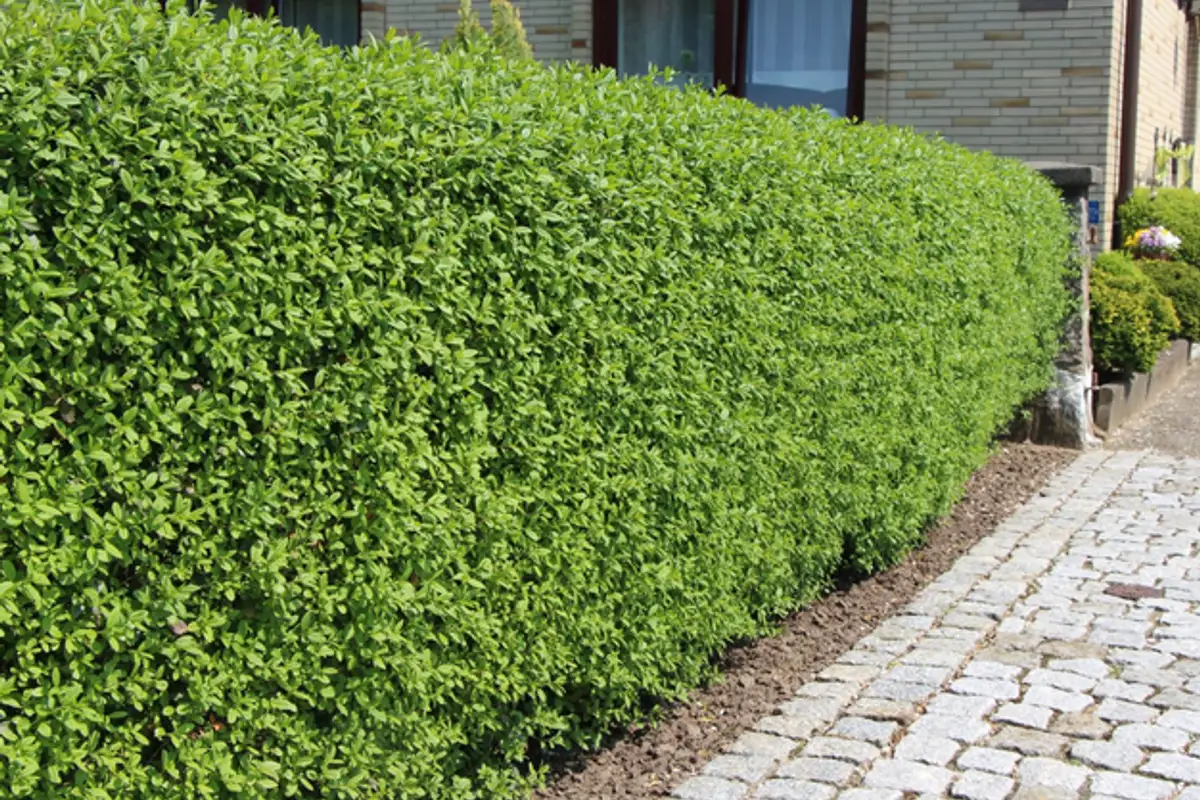
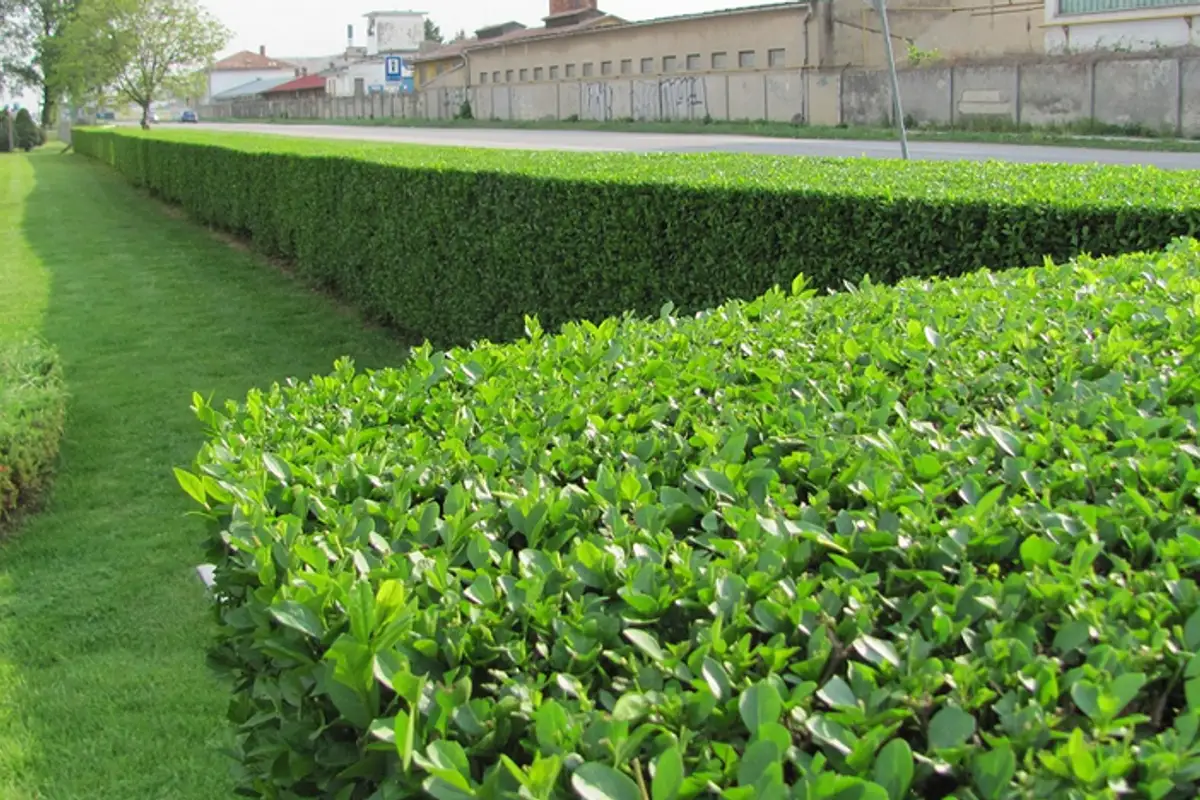
Currently, the most common hedge species is Ligustrum ovalifolium (Ligustrum), found throughout Romania around apartment blocks, intersection squares, parks, etc. Other species used for hedge landscaping include Buxus sempervirens and Spiraea Vanhouttei.
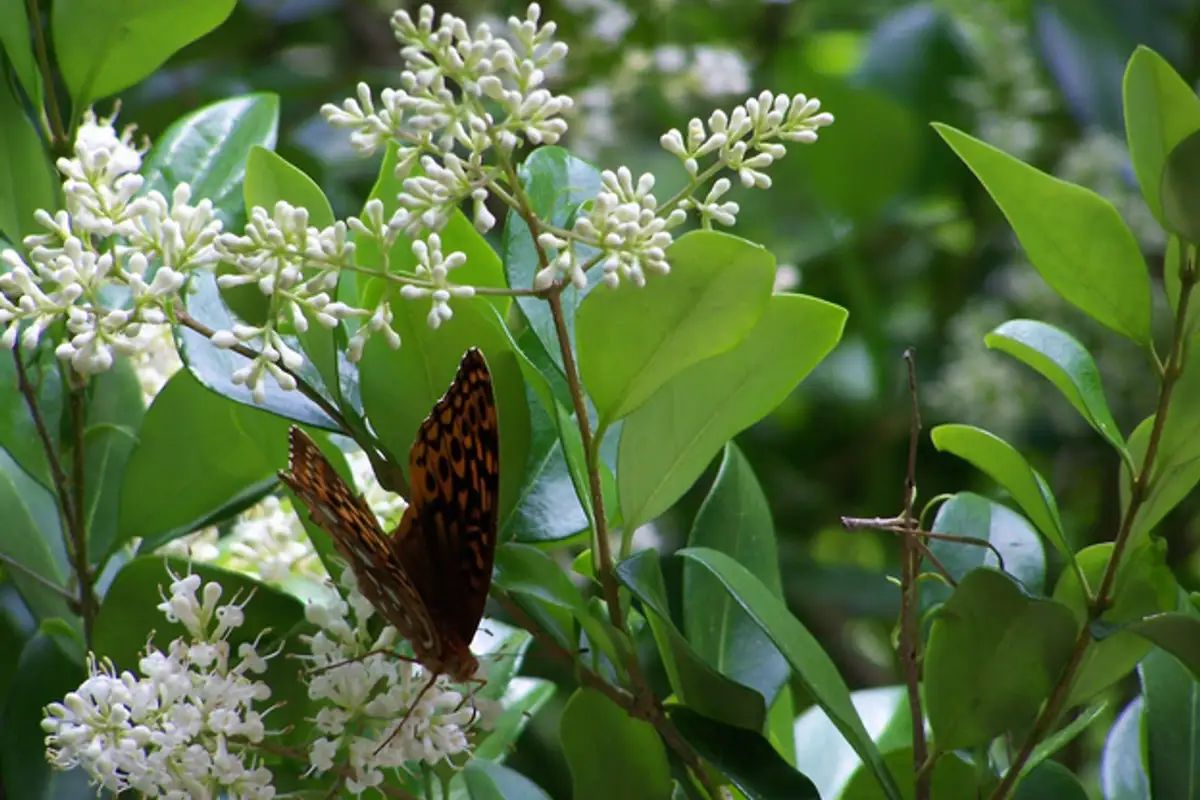
Cainesc is an ornamental shrub native to Asia that can grow up to five meters tall and blooms from June to July. It can easily grow in both sunny and shady locations, and when planted in yards or public spaces, it adds a unique charm to these areas.
Those looking to create a hedge should first determine its purpose and then consult with a specialist for advice on the plant species best suited to the area where it will be planted.
If planting instructions provided by the manufacturer are followed precisely, anyone familiar with gardening tools can plant it.
A lush and healthy hedge is achieved through watering, pruning, and the application of fertilizers, which means that after planting the hedge, another important stage is maintenance.
Read also Reed garden - natural solutions for yard fencing
Photo source gard-viu.com