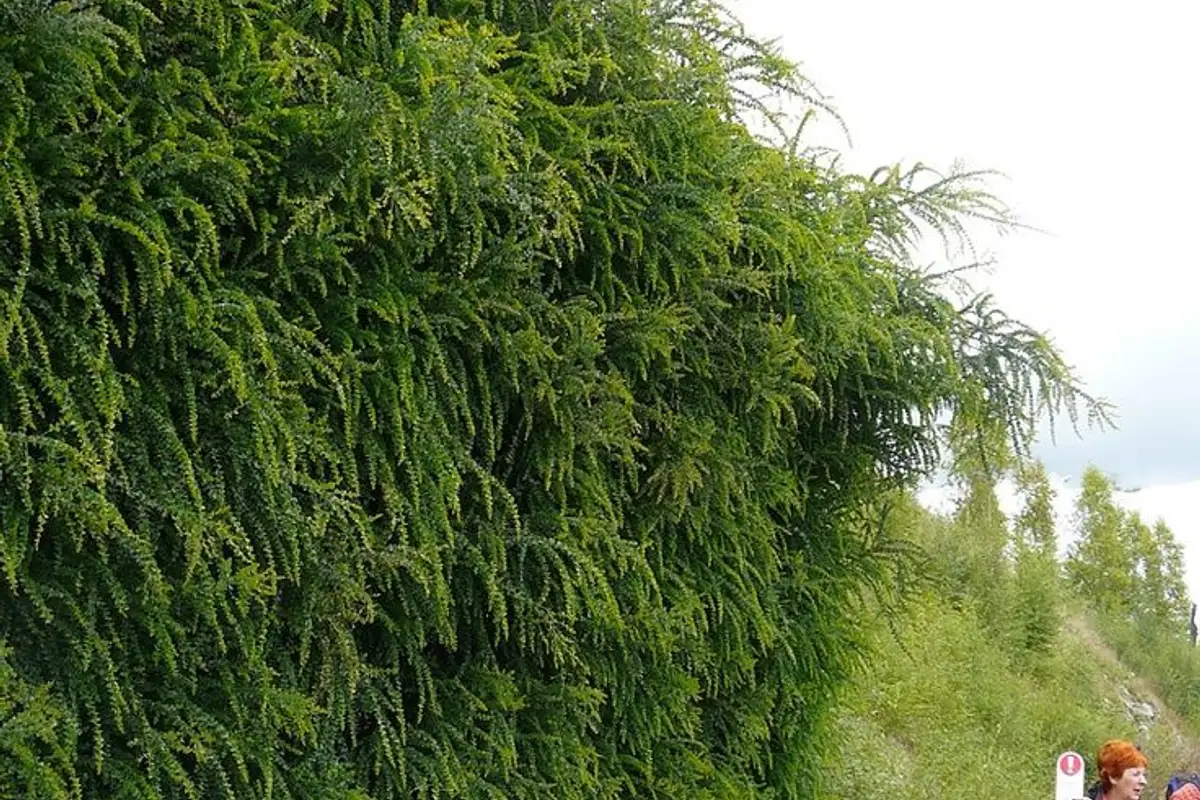
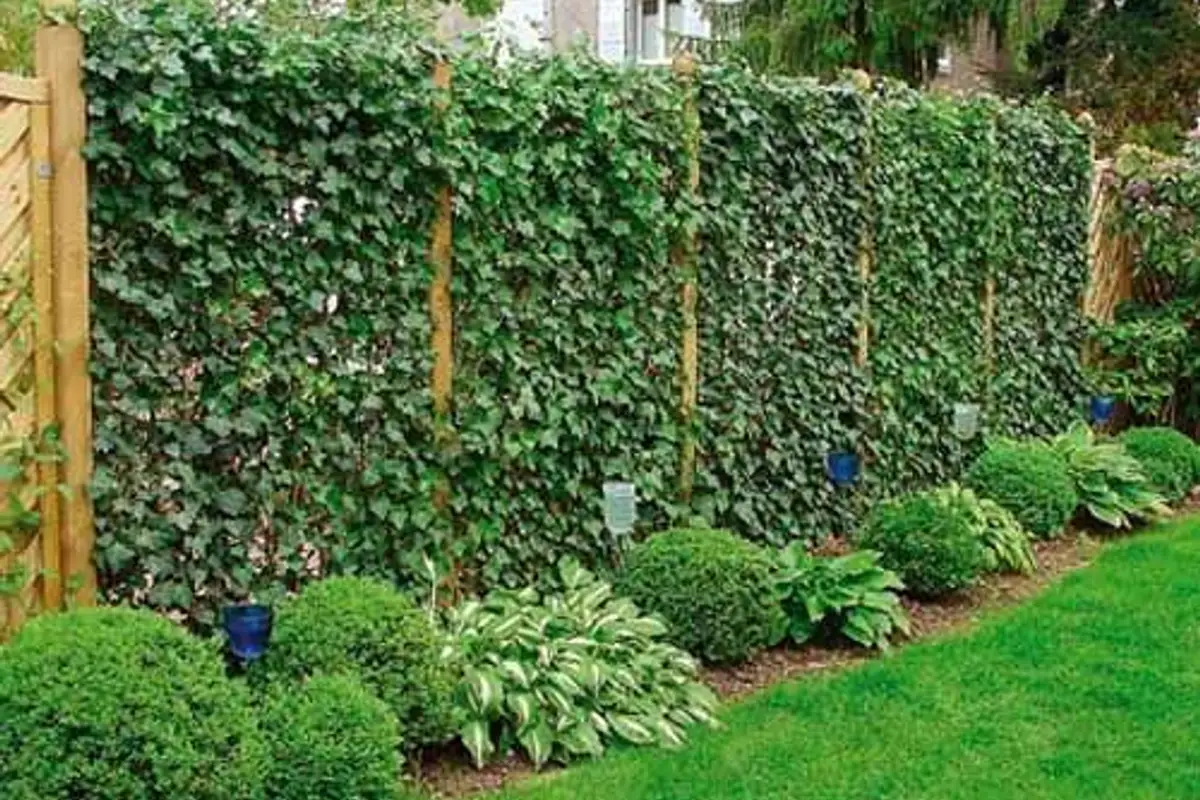
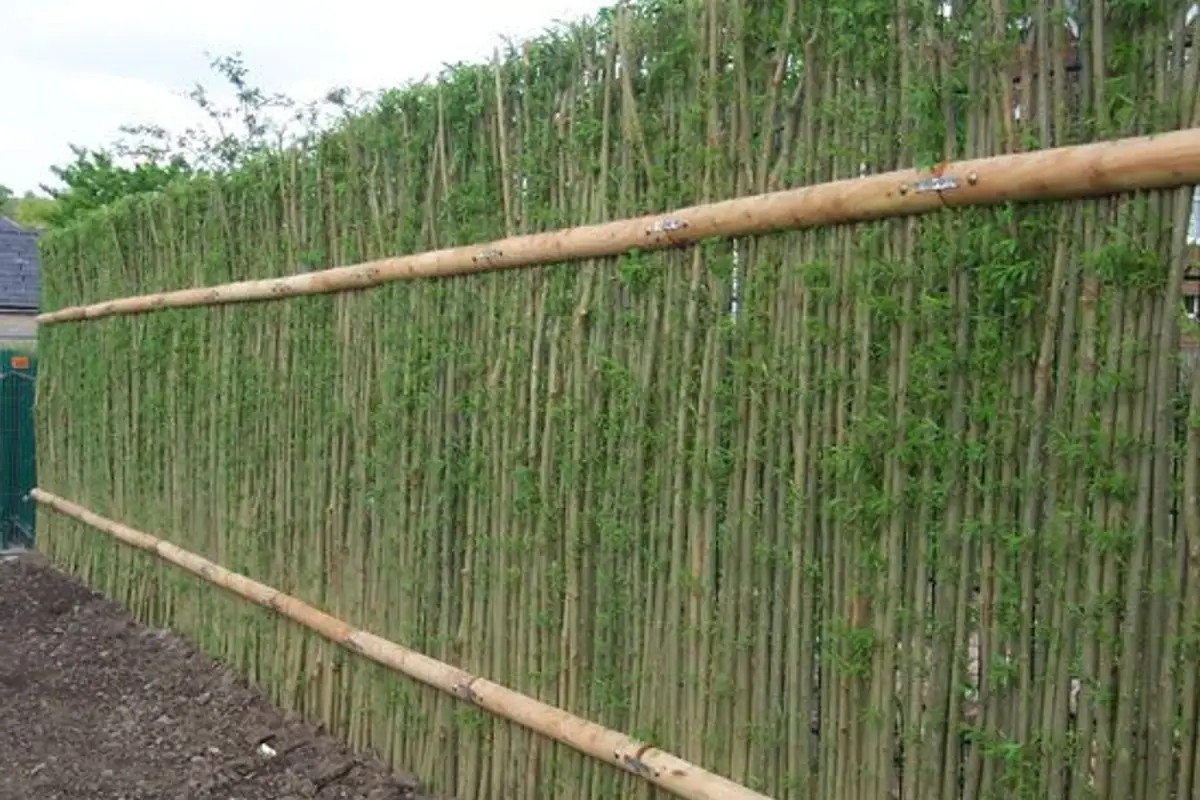
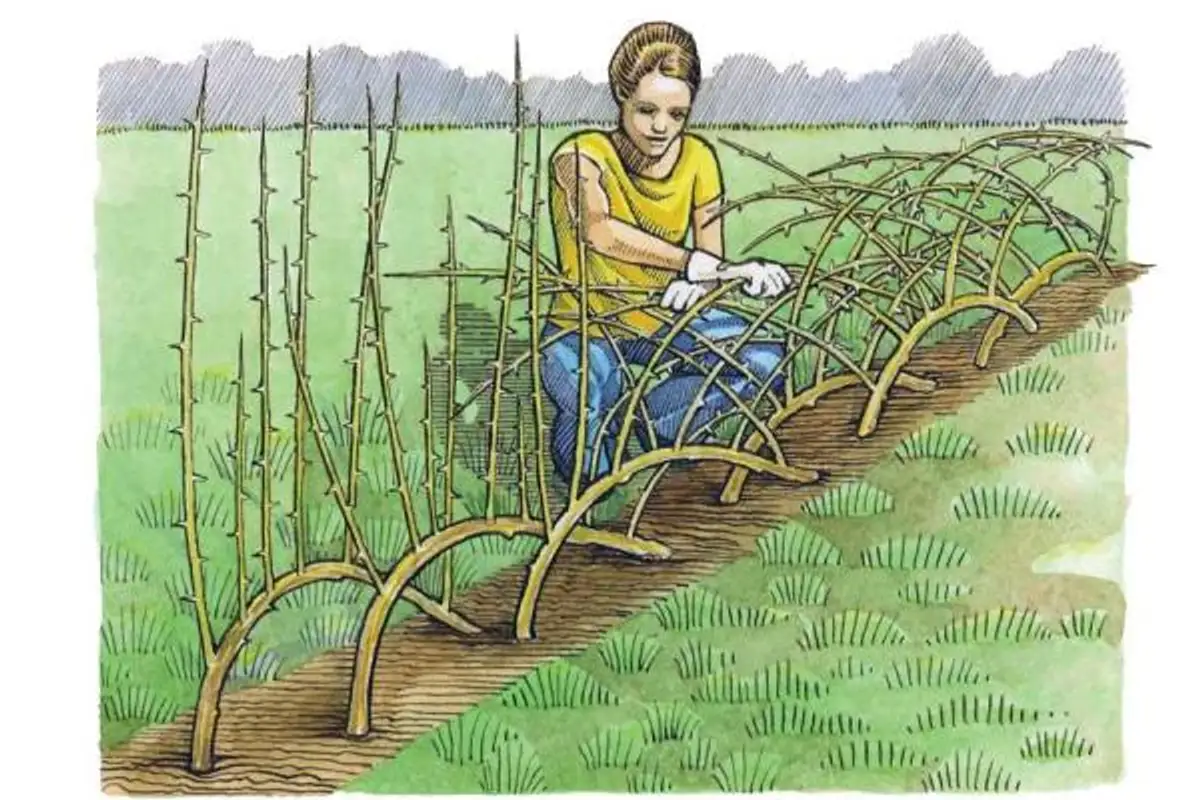
Living fences are the most eco-friendly solutions for enclosing land. In addition to never degrading, they stabilize the soil, provide a natural habitat for birds and other wildlife, and can be a source of timber for heating.
Living fences are a sustainable solution for your household. There are many types of shrubs that can be planted to form a hedge. They offer security and privacy, and can be planted on large areas such as pastures, without affecting the surrounding environment.
Although planting these living fences may seem too difficult, consider that your descendants will also benefit from them and they won't require repairs.
These hedges can delineate areas but also protect animals grazing on your land. Depending on the species of plants or trees you choose, hedges can also provide shade during the hot summer days.
Read also Learn how to build a wooden fence.
Living fences also have a high capacity for dust protection and sound insulation. The most commonly used varieties are willow. These can be planted in several ways: either by planting seeds or by planting trees purchased from commerce.
If you like a particular type of locust tree and think it's suitable for a hedge, here's what you need to do:
Collect autumn seeds from your desired variety and store them in a dry place.
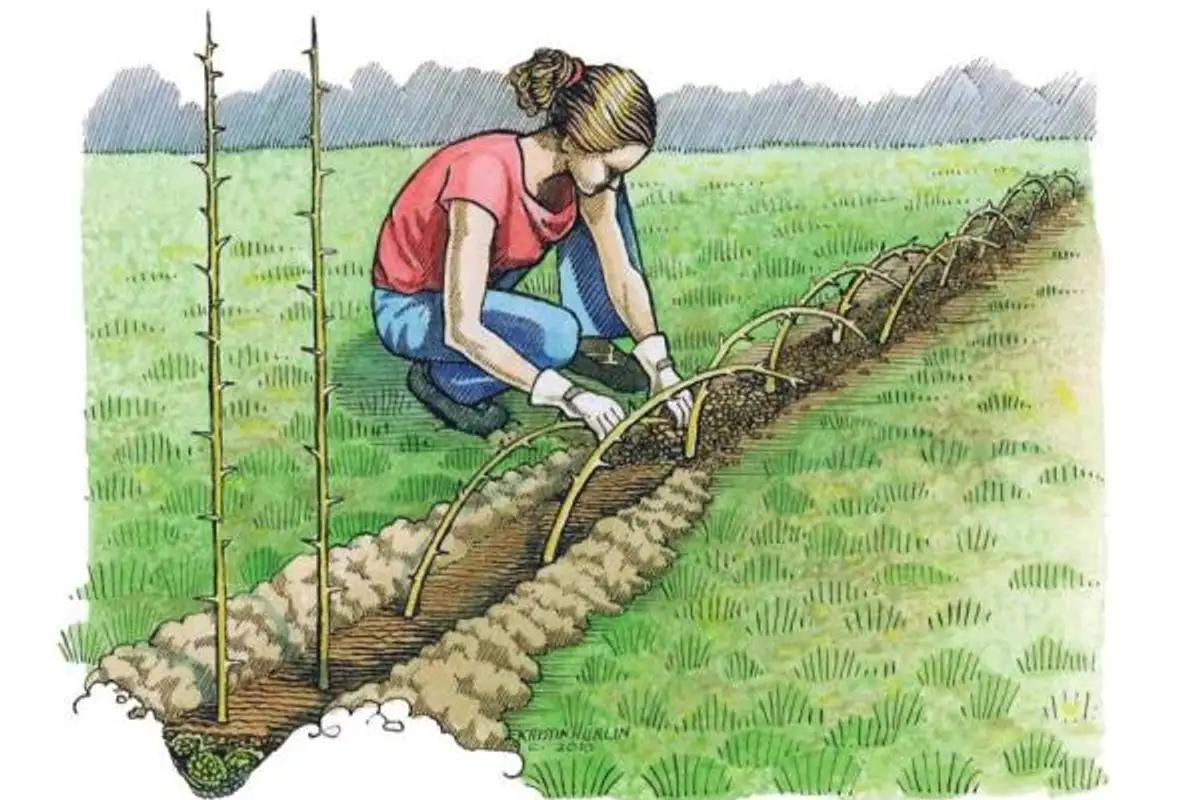
In spring, sow them along the Old Gate or in your desired marked location to form a straight line. Over time they will develop and gradually replace the old wooden or wire fence.
When you reach the desired height, prune the tops to promote the growth of lower shoots and encourage bushier growth.
Of course, there is also the method of planting seedlings. This is more expensive and requires additional labor. You can purchase shrubs from specialized firms to plant in your desired location.
Regardless of the method, living fences are a good solution, especially in terms of environmental conservation.
Read also Decorative ideas for fences