Technology transforms the way we interact with our own homes. Smart devices bring comfort, safety and energy efficiency, being accessible and easy to install even for people without advanced technical knowledge.
Two of the most practical gadgets for any home are wireless signaling systems and remotely controllable outlets.
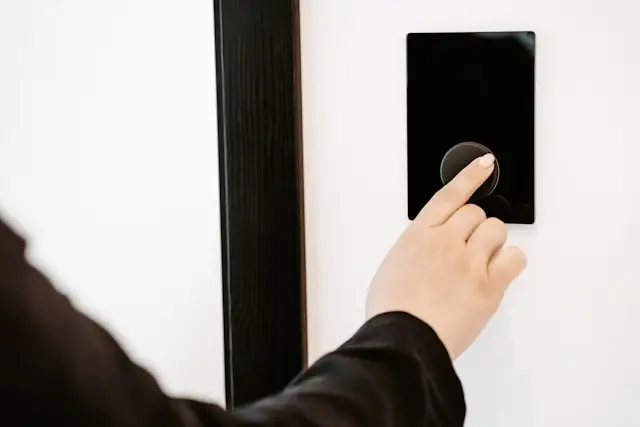
The wireless doorbell represents the natural evolution of traditional wired models. It eliminates the need to drill holes in walls for electrical wiring, installation being reduced to fixing the call button and connecting the indoor unit to an outlet.
Most operate on radio frequencies of 433 MHz or 868 MHz, with a range of 100-300 meters in open space.
The advantages are multiple. Moving the doorbell from one room to another takes a few seconds, quickly adapting to changes in the home. Modern models offer dozens of selectable melodies and volume adjustment on multiple levels.
Some variants include additional functions such as LED lighting, voice intercom or integration with video cameras.
How to choose the right signaling model
The distance between the call button and the receiver unit determines the required signal strength. For apartments, standard doorbells with a range of 50-100 meters are sufficient.
Houses with multiple levels or large yards require models with signal amplifiers or systems with multiple receivers placed strategically.
The power supply for the button varies between models. Battery-powered variants require periodic replacement, usually every 12-18 months, depending on usage frequency.
Self-powered buttons with solar or kinetic energy (generated by pressing) eliminate maintenance altogether, being ideal for entrances exposed to sunlight or used frequently.
Weather resistance is crucial for outdoor installation. Check for IP44 or higher certification, which guarantees protection against water splashes and dust. ABS or polycarbonate housings withstand extreme temperatures, from -20°C to +50°C, without cracking or discoloration.
The number of users in a household influences the required volume. Families with elderly people or hearing impairments appreciate models with additional light signaling or high sound intensity, up to 90-100 dB.
The vibration option is useful for completely deaf people, the wearable unit alerting through vibrations.
Smart outlets for an efficient home