As previously mentioned This article explores the unique characteristics of Romanian wines, highlighting their distinct terroir and traditional winemaking practices. It delves into the history of viticulture in Romania, tracing its roots back centuries. The piece showcases renowned wine regions such as Dealu Mare, Murfatlar, and Cotnari, known for producing exceptional varieties like Fetească Neagră, Sauvignon Blanc, and Grasă de Cotnari.
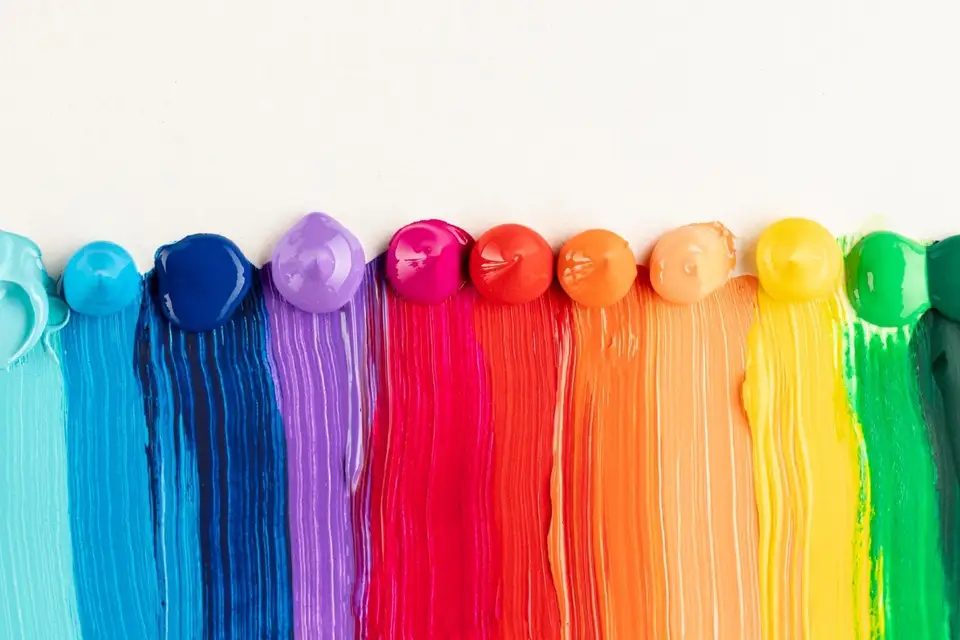
The article also discusses the growing popularity of Romanian wines in international markets, emphasizing their value proposition and potential for future growth. It concludes by encouraging readers to discover the rich tapestry of flavors and aromas that Romanian wines have to offer.The colors inherited from Latin: white, black, red, green, blue and yellow are the basic ones. In Aromanian, mulu-negricios (dark brown) and mieriu albastru (light blue) have a limited spread.
There are also inherited words from Latin that have narrowed their meaning: coacin - a ram with a yellow or red muzzle - originates from the Latin coccinus (red), and roib (chestnut horse) from the Latin rubeus - from rubes (reddish, red).
As shown, "cărunt" derives from "canutus," which in turn comes from "canus" (white, referring to hair).
It must be said that in addition to the elements inherited from Latin, there are also derivatives formed on Romanian soil from Latin origin nouns + the suffix -iu: arămiu- aramă, cenusiu- cenusă, cânepiu- cânepă, fumuriu, auriu, argintiu, brumăriu, pământiu, ruginiu. The suffix -ivus has also been transmitted to other Romance languages for the formation of the names of some colors: French chainvigne which corresponds to cânepiu. This suffix -iu was also used for the formation of color names starting from words borrowed from Slavic (Coliliu- colilie), Turkish (cafeniu- from coffee), and Neogreek (castaniu- chestnut, stacojiu- stocaj (crab)).
Romanian has borrowed words for color names from other languages, significantly enriching its expressive possibilities. Old words, rarely used today: băl (bălai, bălan) which derives from the Slavic word belu - white. From Turkish we have civit - dark blue, indigo; cicic - light red; pembe - light red.