If your home has a solid wood floor, there is no need to replace it with a laminate one. It is much wiser to recondition the parquet, especially if the wood essence is of good quality.
It is said that solid wood flooring is the "furniture" most exposed in a house. It represents a classic and elegant floor, which neither fashion nor other types of materials have yet been able to compensate for.
The arguments in this regard stem from the well-known and appreciated qualities of wood: low thermal conductivity, good acoustic insulation, resistance to wear and tear, and implicitly, durability over time. Through its aesthetic and functional qualities, wood enhances the entire ambiance. There are two types of reconditioning, dictated by the degree of surface deterioration of the parquet.
As a general rule, intervention on the wood is only carried out if necessary. The first type of reconditioning is for parquet maintenance and is necessary when the varnish layer on the surface has thinned, presents cracks or scratches.
Through these affected areas, the parquet can absorb moisture from the atmosphere, swell and, in most cases, deteriorate completely if not reconditioned. In high-traffic areas, the parquet begins to show signs of wear after 6-8 years.
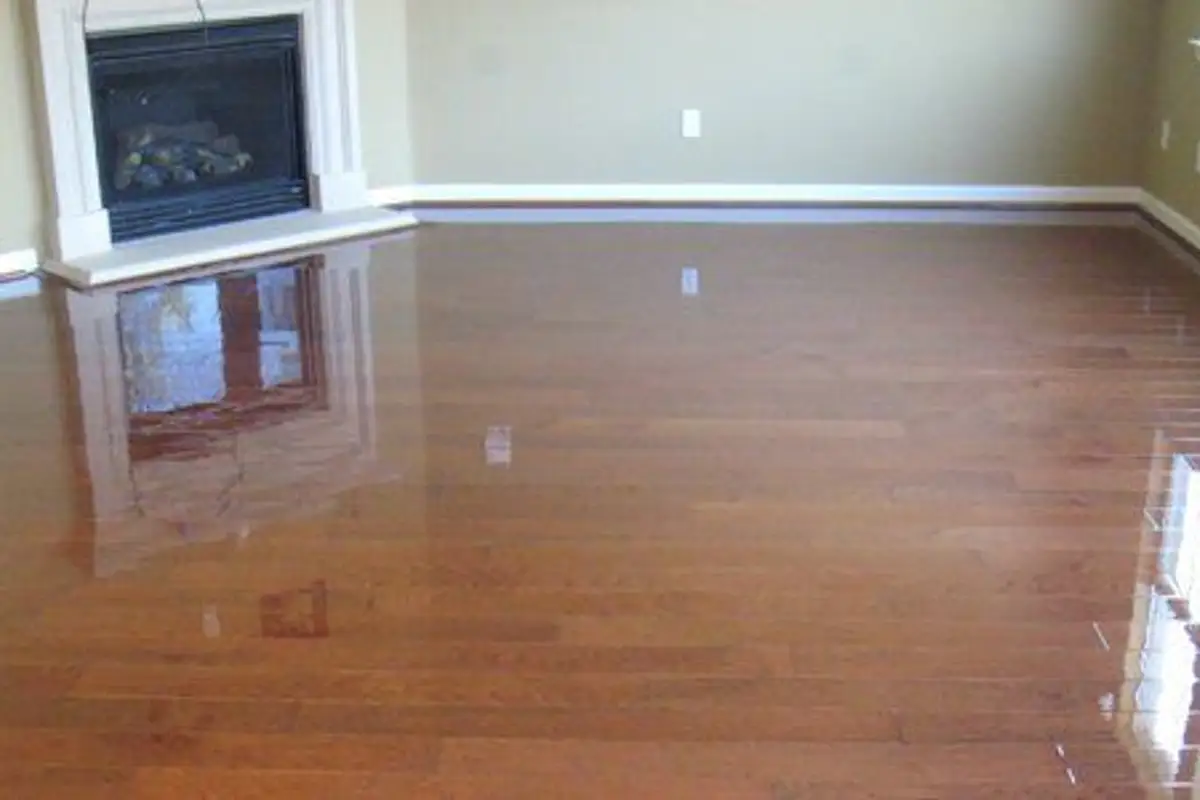
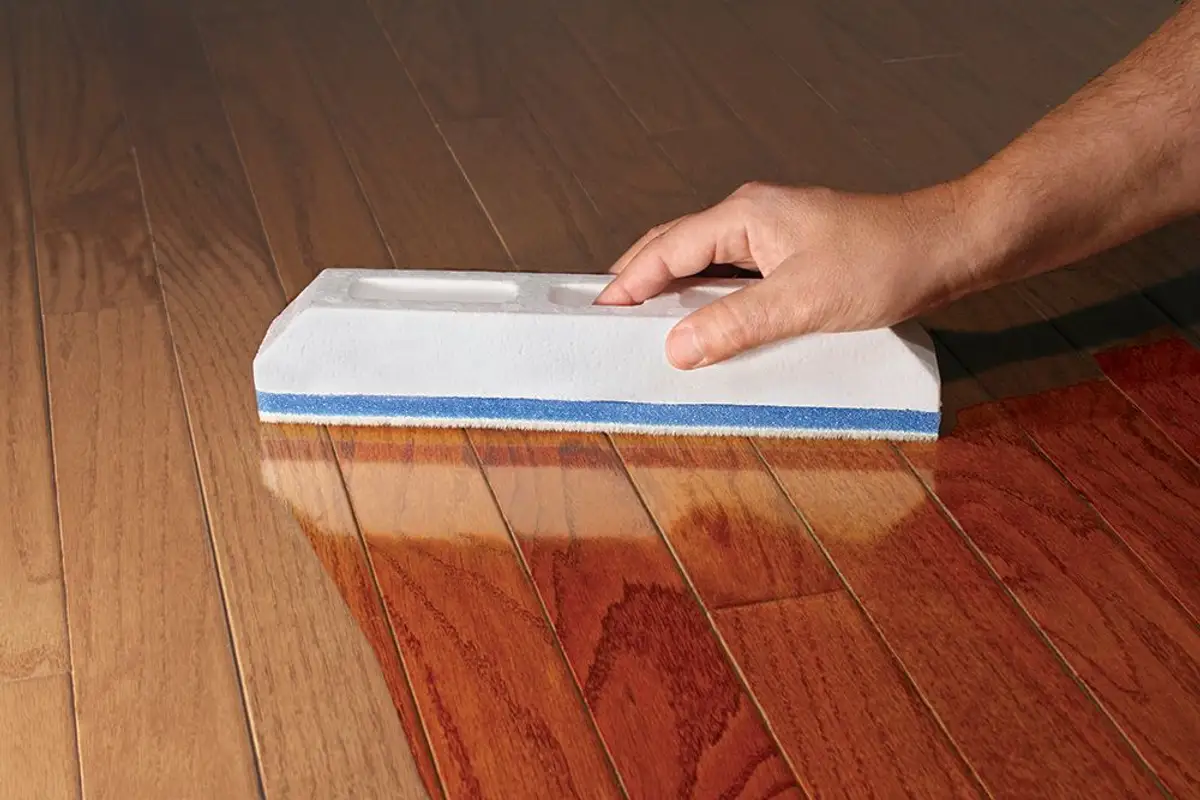
If the varnish is still in an acceptable condition, reconditioning can be limited to lightly sanding the entire surface to remove the superficial patina, followed by refreshing the varnish layer.
In cases where wear is much more pronounced, reconditioning with adequate scraping of the entire parquet is recommended.
1. Surface Verification and Consolidation
First, check if there are any parquet slats that move or squeak or if they are nailed on the top surface. For consolidating the slats, a special polyurethane resin is used, which is injected between the slats. Then, wait at least 12 hours for the complete drying of the treated areas.
2. Scraping
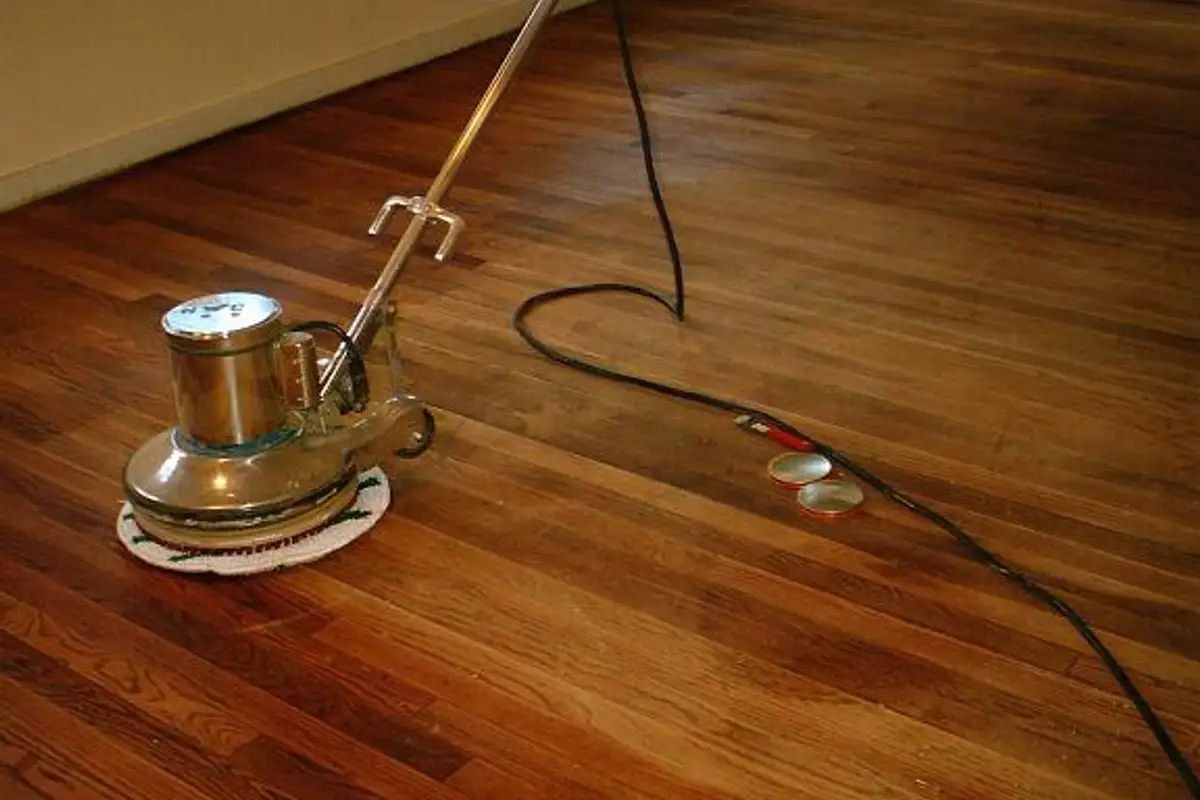
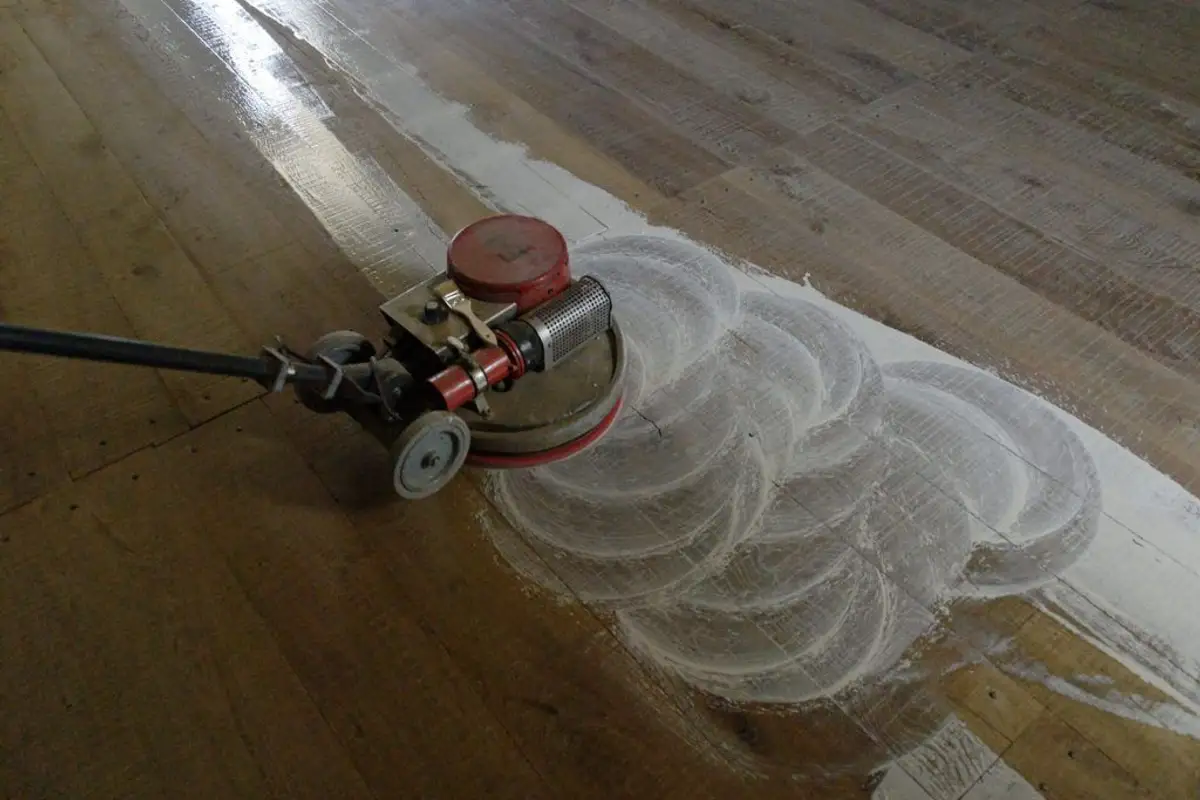
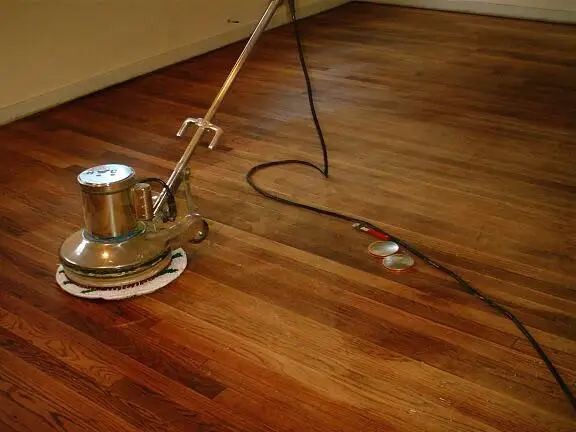
After the parquet has been consolidated, proceed to remove the old varnish layer. This is done using a stripping machine (scraper) using sandpaper with a large grit (24 or 36). Proceed to finer sanding of the parquet with abrasive paper with a grit of 50-60.
For narrow spaces (corners, radiators, etc.), a smaller machine called an edge sander is used.
3. Filling and Sanding the Filler
For filling, use a binding resin with elastic properties, which is mixed with wood dust resulting from very fine sanding (grit 120), obtaining a paste in the color of the wood that is spread evenly over the entire parquet surface, not just in visible joints. It is wrong to use a mixture of adhesive with wood dust as filler.
After applying the filler, wait for it to harden (this waiting time can vary from 4-5 hours to 24 hours, depending on the parquet joints). The filler is sanded with fine grit sandpaper (100-120). If you notice that the joints are not completely covered, repeat the filling operation as many times as necessary.