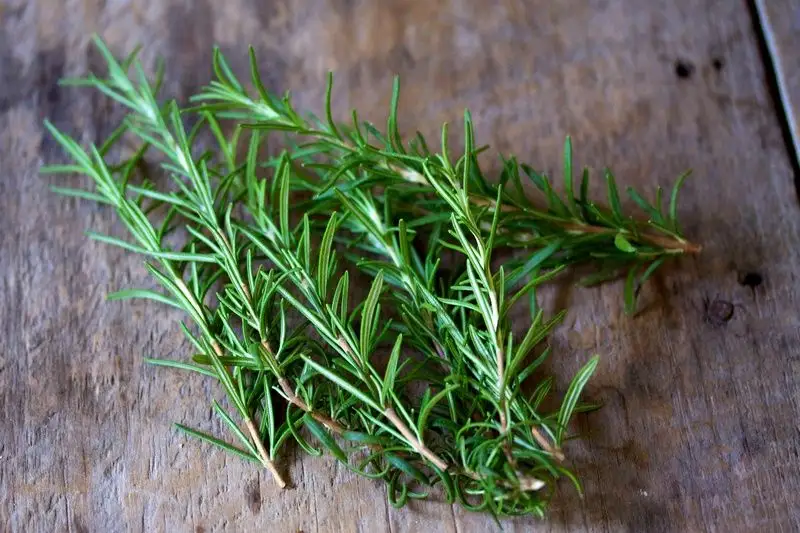
An endemic plant of the Mediterranean region, rosemary is a symbol of purity and fidelity, used today even for decorations. The Latin name means "sea dew" which refers to its place of origin, the coast.
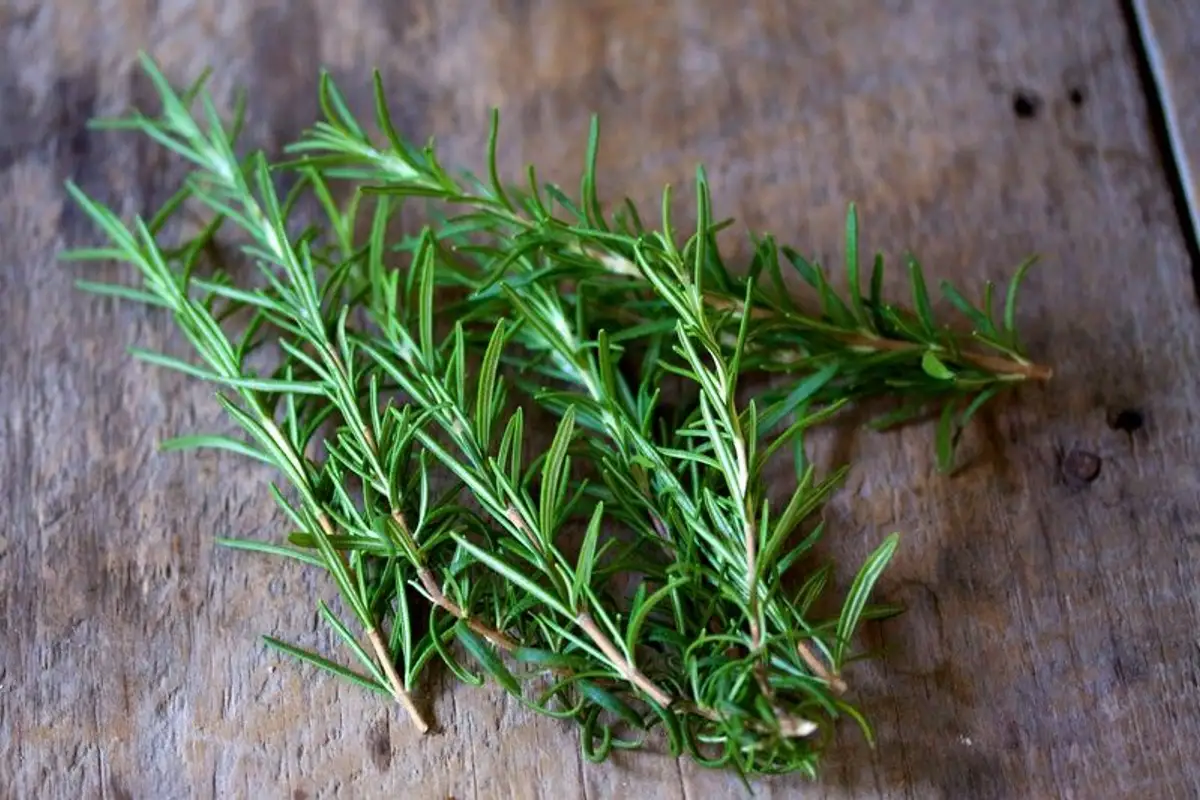
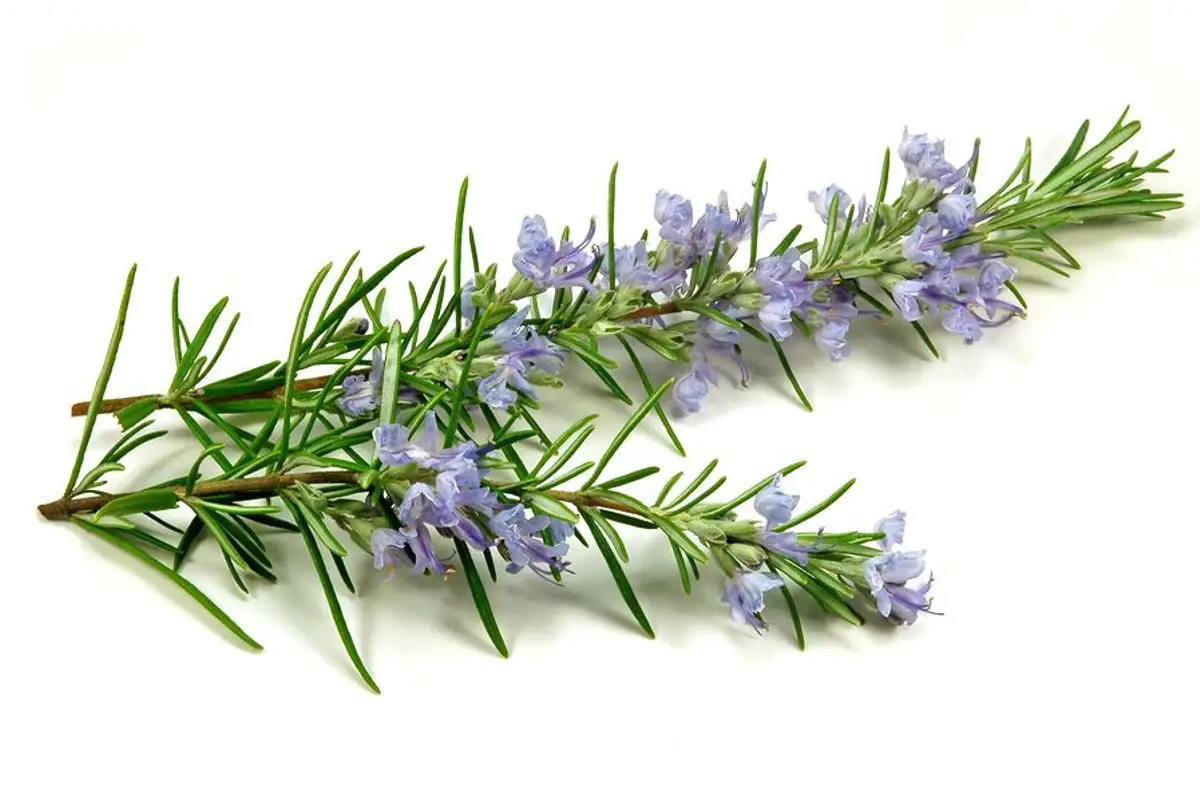
Rosemary is a perennial plant, a semi-shrub that forms a dense bush with slow growth reaching a height of 0.5-1.5 cm. The narrow, leathery leaves emit a pleasant scent upon simple touch. Flowers of a light blue color bloom from May to July.
Resistant to drought, rosemary is a plant with high heat requirements. In our country, it survives the winter only in protected places with sunny exposure. If the soil is covered during winter with fir branches, we have a higher chance of it surviving until spring.
If grown in a pot, it's simpler: at the end of autumn, the pot is brought indoors into a bright room where it is kept throughout the winter at a temperature of 10 degrees Celsius. In the garden, rosemary prefers a sunny spot sheltered from the wind.
The simplest method for establishing a culture is by planting seedlings purchased from specialty stores. Planting takes place in May. A robust, perennial plant, rosemary is very decorative and if planted solitary. It is good to know that rosemary is sensitive to waterlogging, so it should be watered moderately. In winter, water very little.
Fertilizers are not necessary. If grown in a pot, it will be transplanted every two years. Rosemary has slow growth, so the shoots will be shortened moderately.
[image image-id=18789 height=400 width=400 image-title=w]
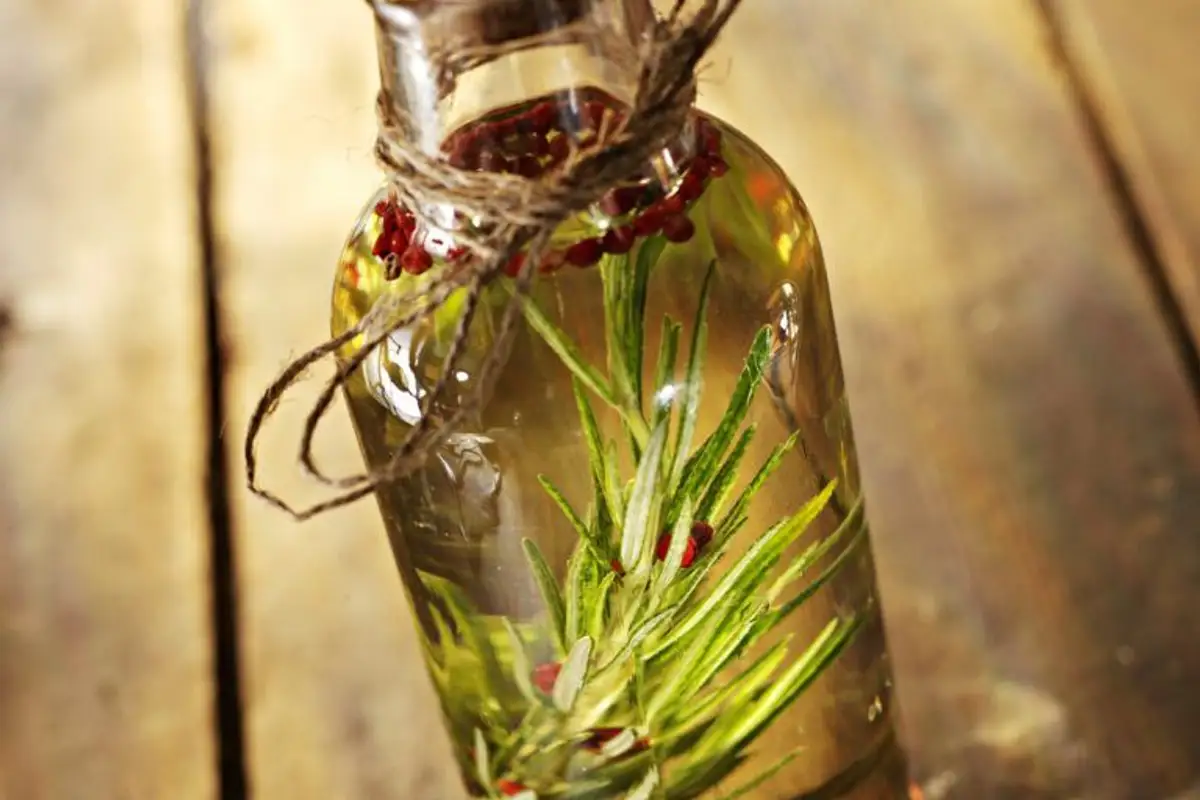
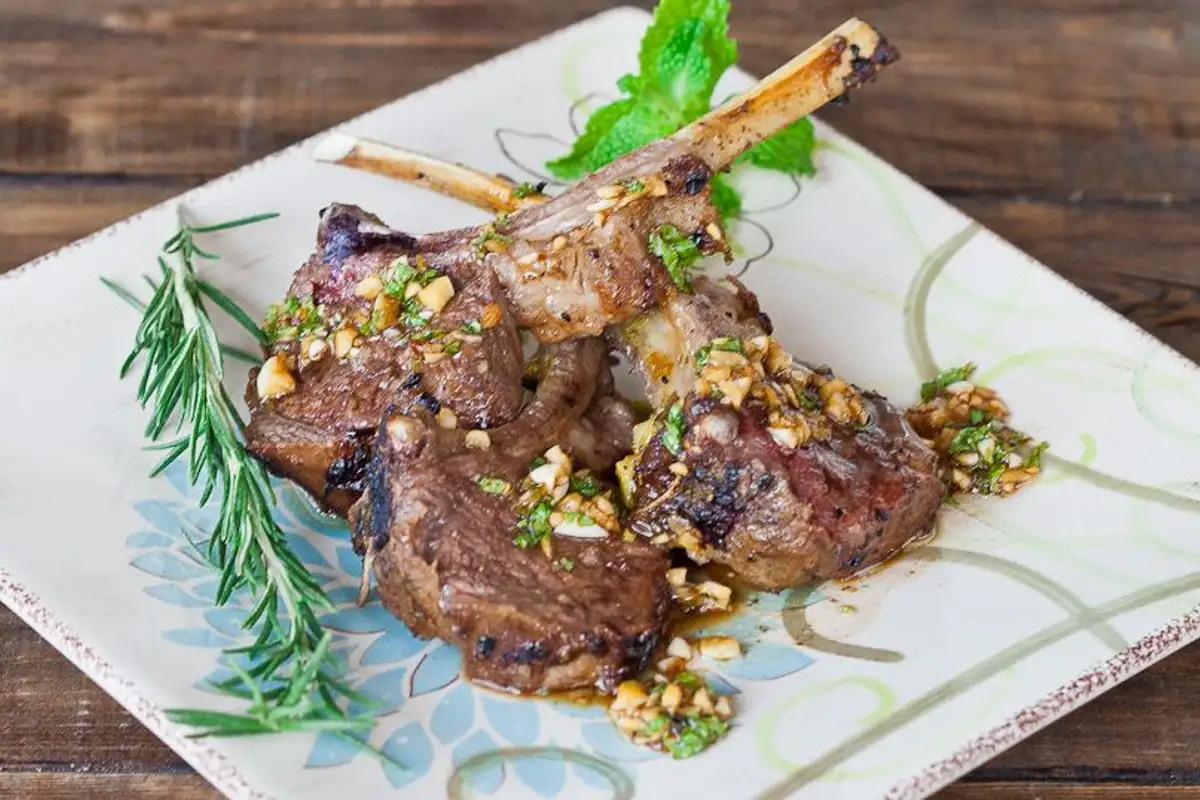
Fresh or dried rosemary leaves are used to season grilled meats, game meat or fish, sauces and soups. Use it carefully, as it overshadows other flavors. Rosmarinic acid in its leaves has an anti-inflammatory effect, so when used in therapeutic baths, it treats rheumatic problems.
Rosemary essential oil added to bath water reduces pain caused by muscle contractions.
Rosemary is part of tea blends because it has a diuretic effect and stimulates appetite. It should be used internally only in moderation.