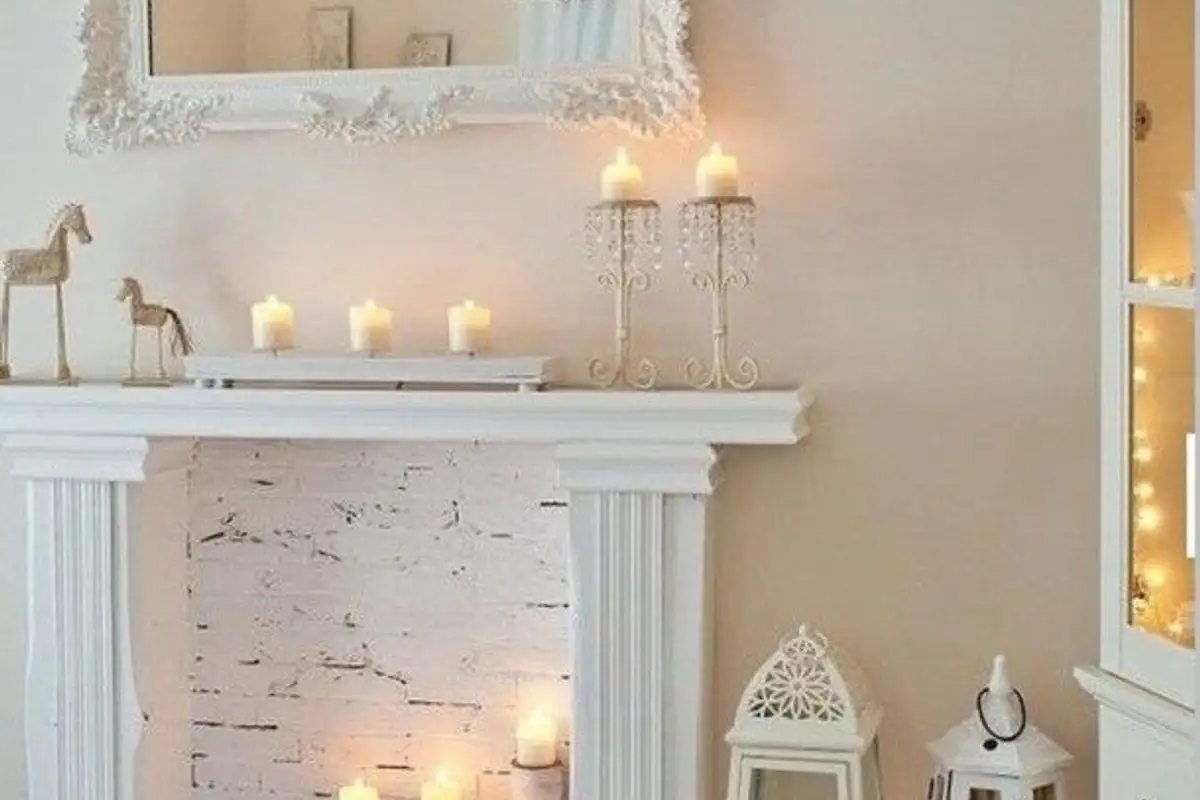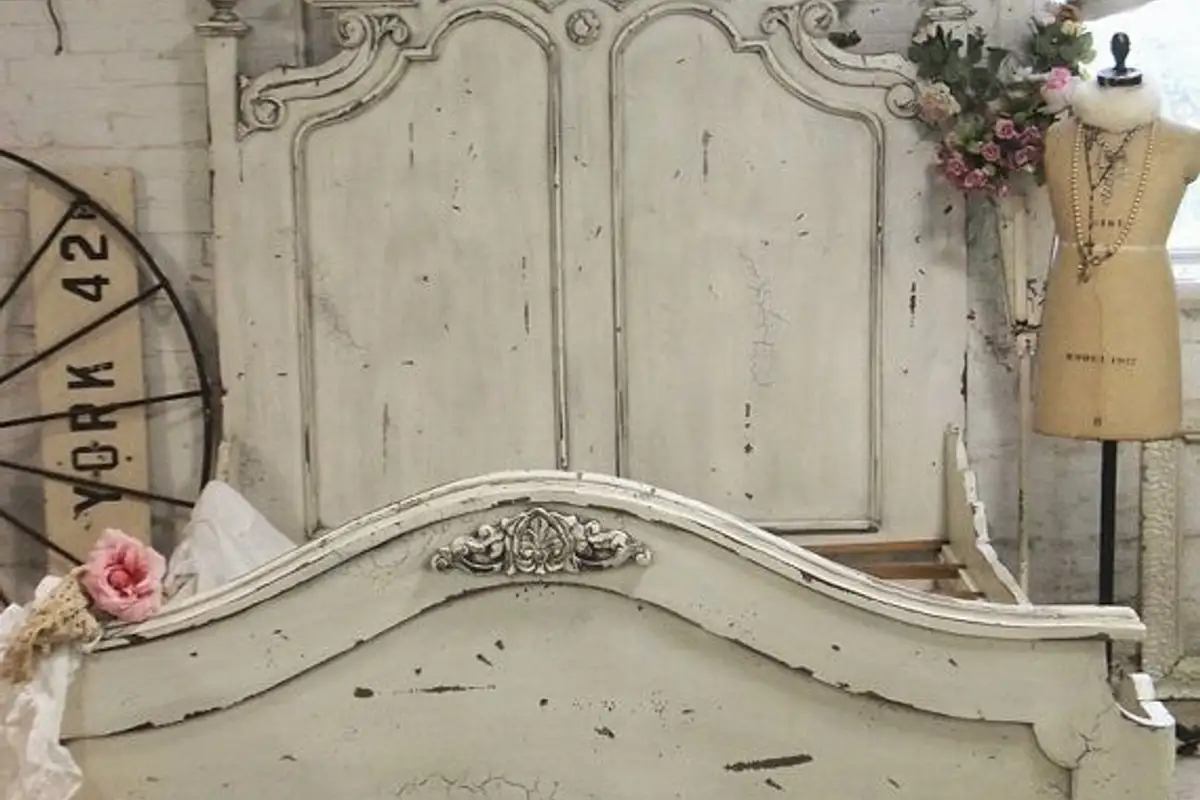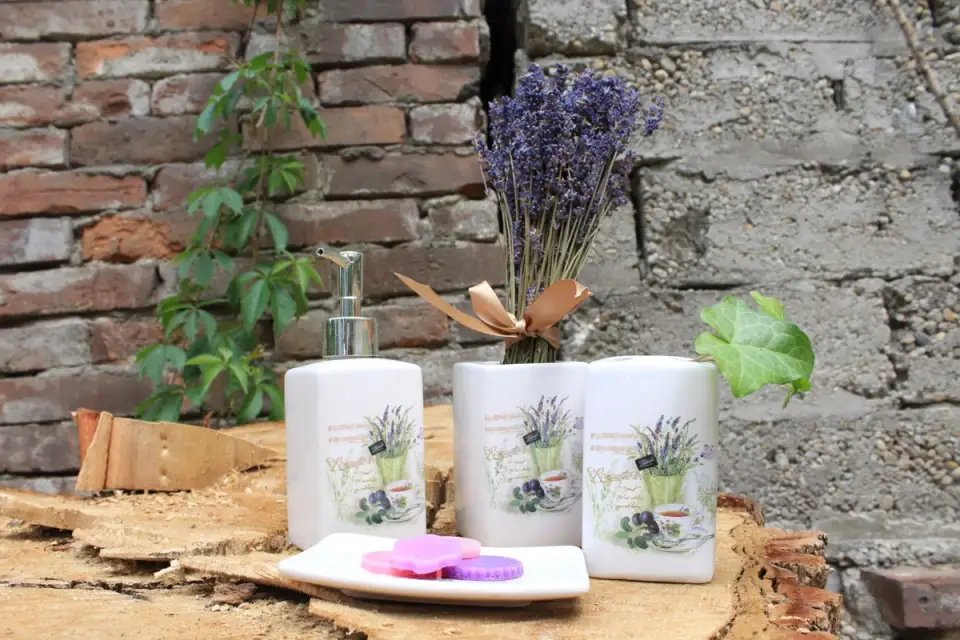
Shabby chic has gained popularity in recent years due to its successful blend of old and new. Vintage objects are given a prominent place within this style, with the patina of time creating the entire context.
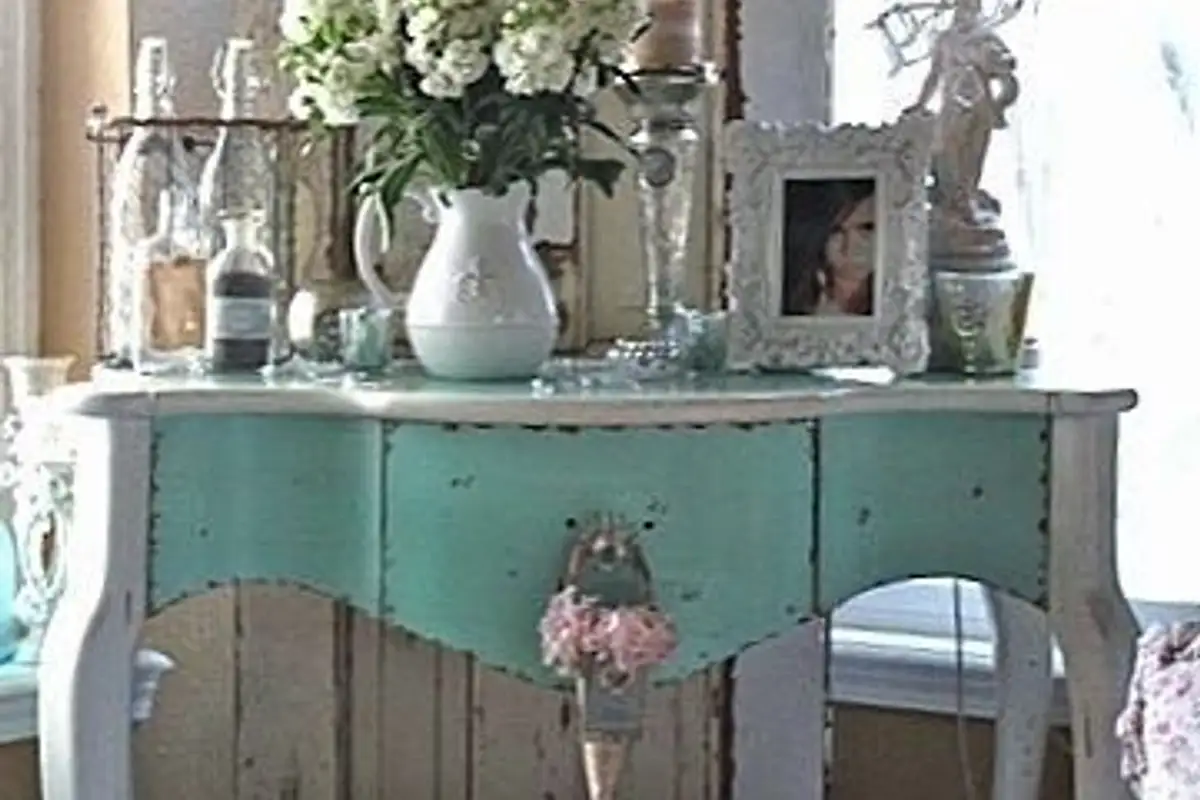
Shabby chic is characterized by a bright, warm color palette. Pastels – shades of blush pink, light violet, earthy tones, or pale ochre – are preferred. The interplay of these colors warms the space in which they are used, creating an idyllic, pastoral atmosphere.
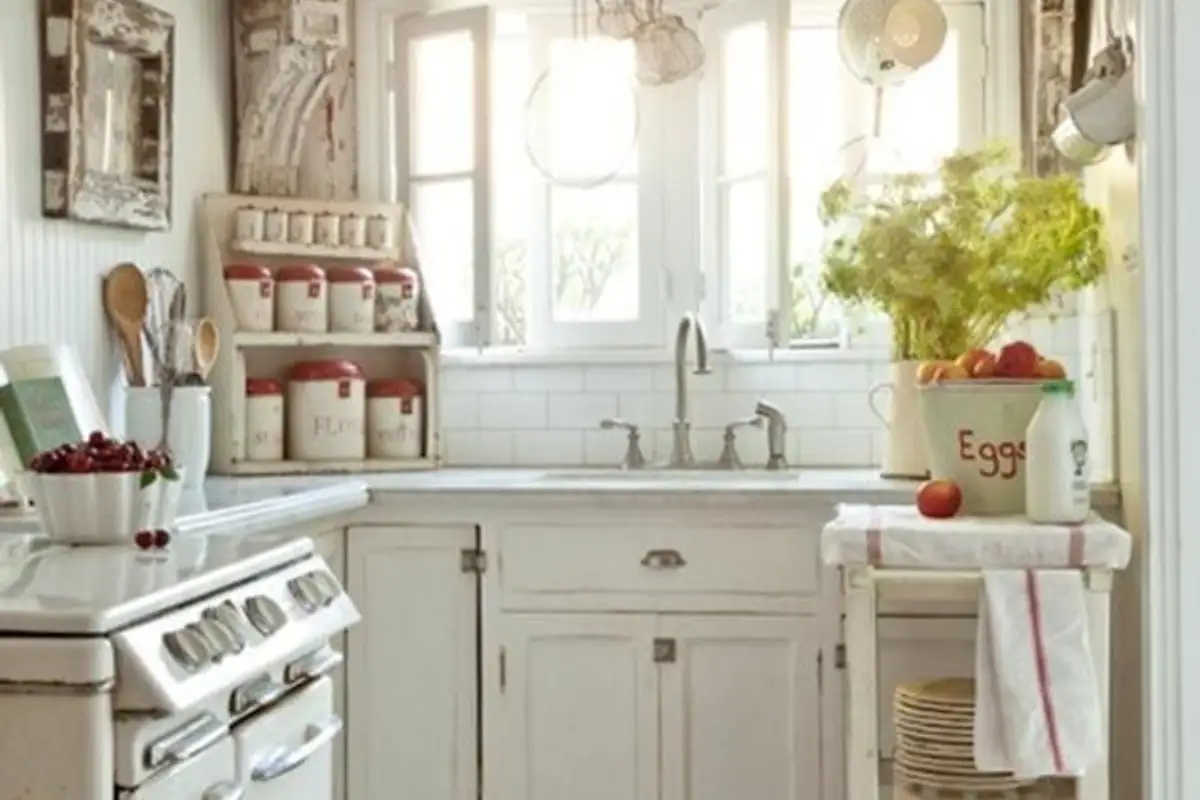
Abundance is key to the eclecticism of this style. An abundance that is carefully considered so that the space does not appear overcrowded but rather lived-in, gaining distinction through the stories of the objects and a unique character reminiscent of homes passed down through generations.
Furniture pieces are not always antiques, but they are refurbished to achieve that look. Floral appliqués, inlays, complex botanical motifs added to décor or furniture are aesthetic hallmarks of the shabby chic current.
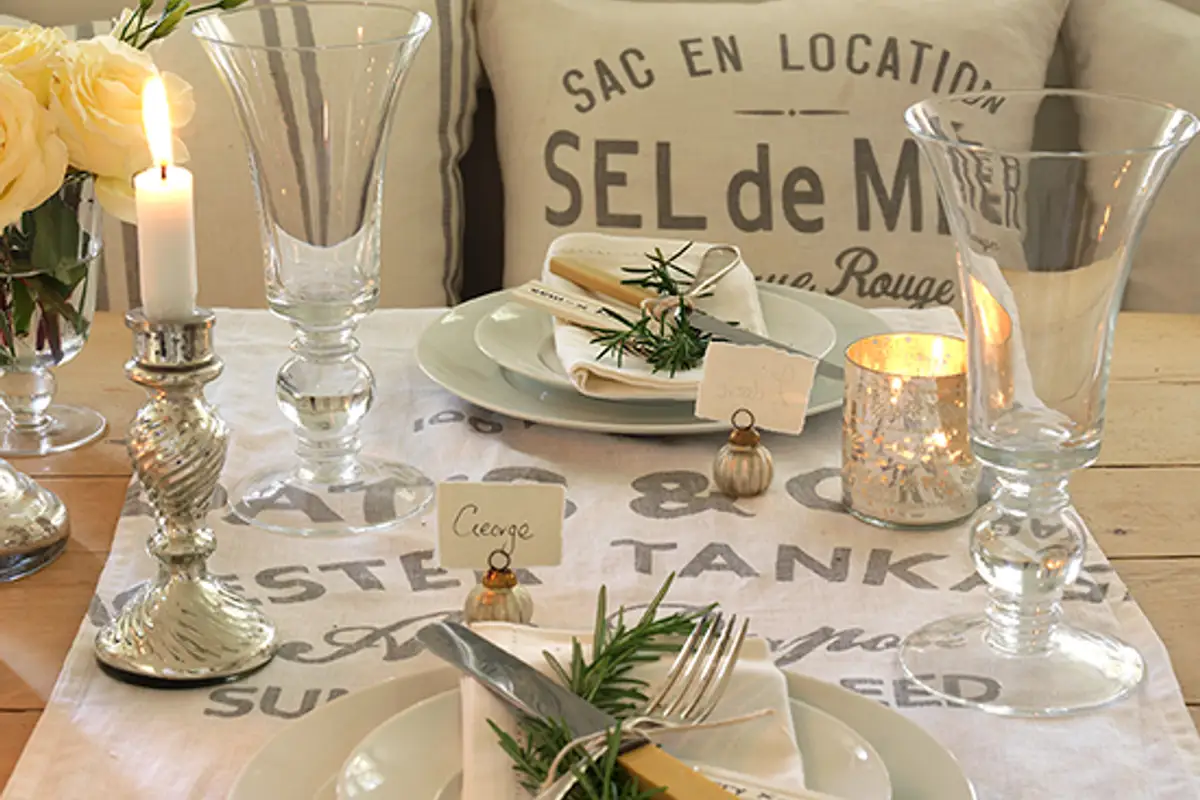
The materials used are cotton and linen, processed similarly to French artisan fabrics. To appear aged and yellowed, textiles were sometimes stained with tea. Other techniques include bleaching and intentional discoloration of textile materials.
Shabby Chic originated in the countryside cottages of Great Britain, from the diversity of objects people collected there, which eventually acquired that patina over time. By its very nature, it is opposed to the rigid pop-Victorian style.
Its sources of inspiration are diverse – Swedish interiors from the 18th century, French castles, and even homes of American Shaker communities. The Shabby Chic phenomenon found fertile ground in the metropolitan West Coast areas of America, borrowing Mediterranean influences in the process.
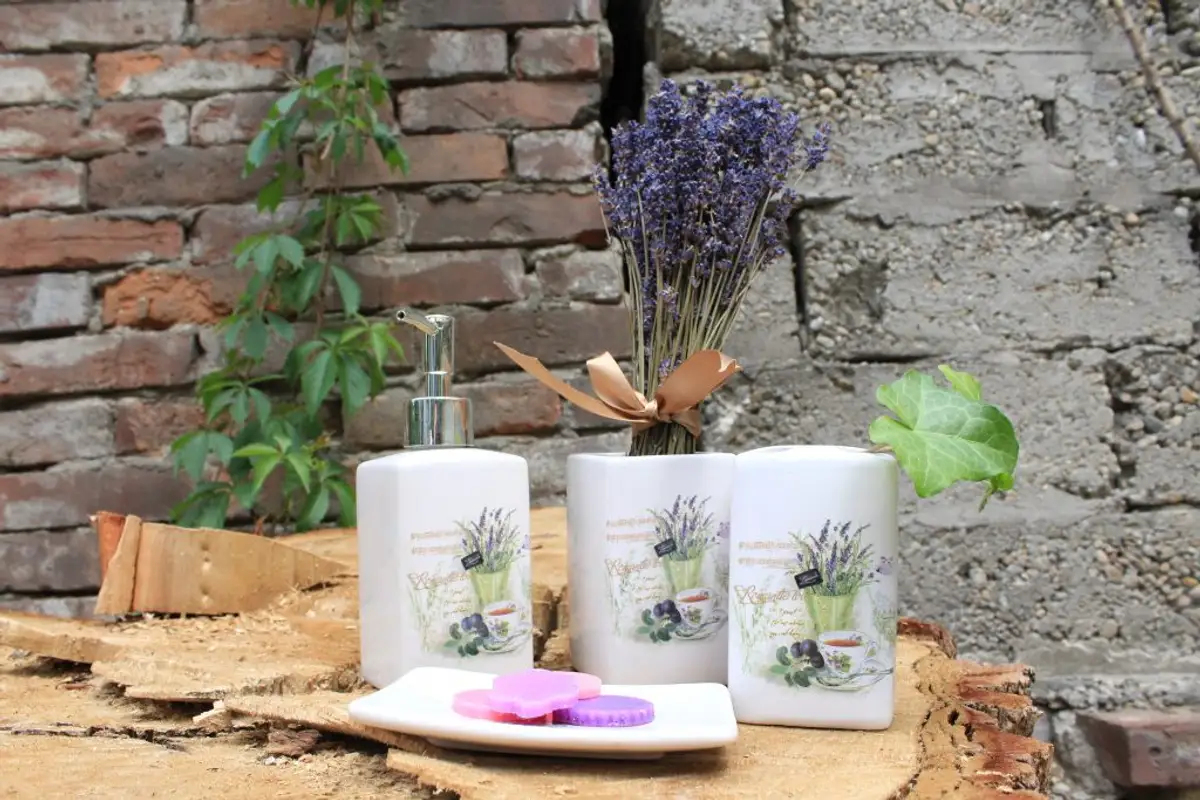
This stylistic borrowing explains the presence of Provençal motifs, from Greece or Tuscany – lavender, olive trees, etc.
Refurbishment is specific to this style – sofas, curtains, chairs – receive a new image through aesthetic recovery techniques without losing any of their essence. Furniture refurbishment techniques gained momentum in the 1980s when décor was dominated by expensive, inaccessible objects.
Shabby chic interiors at the beginning of the trend could rightfully be considered works of art.
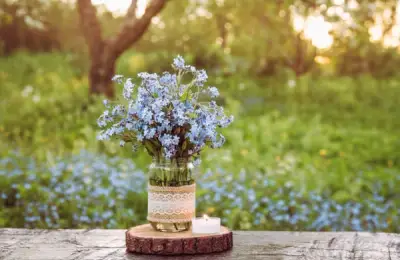
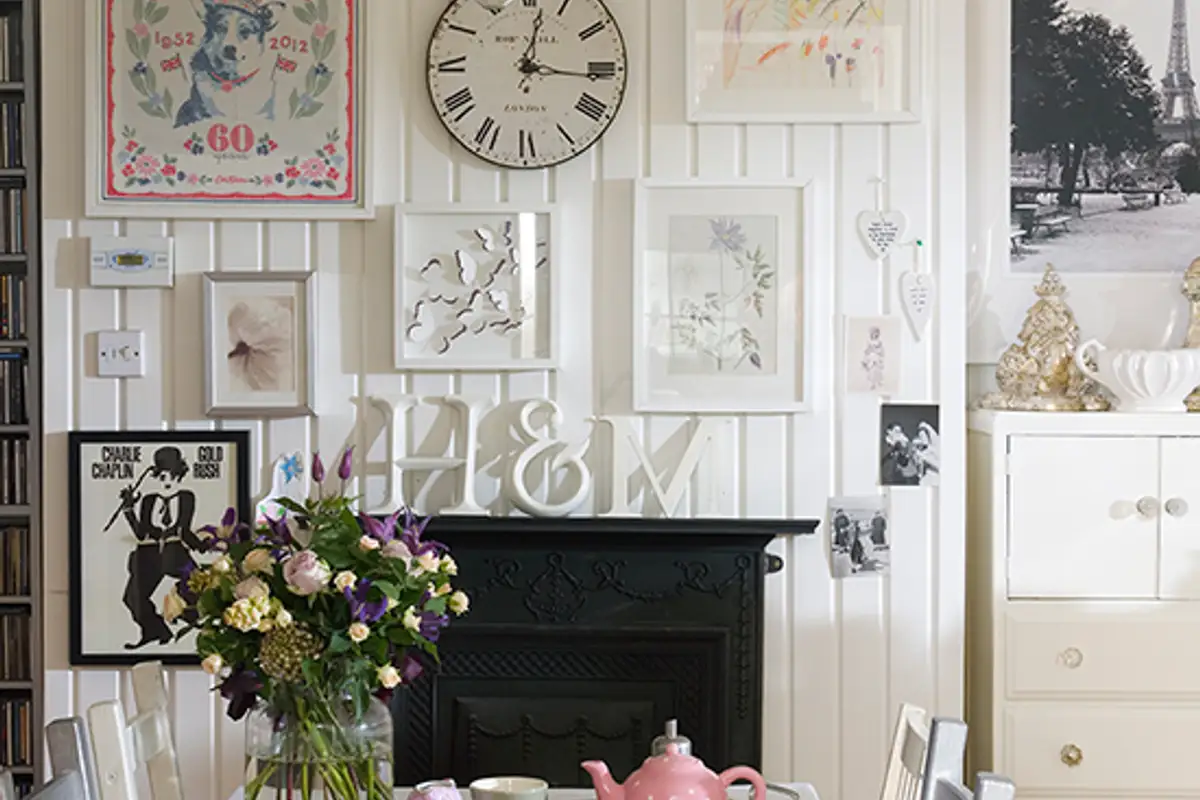
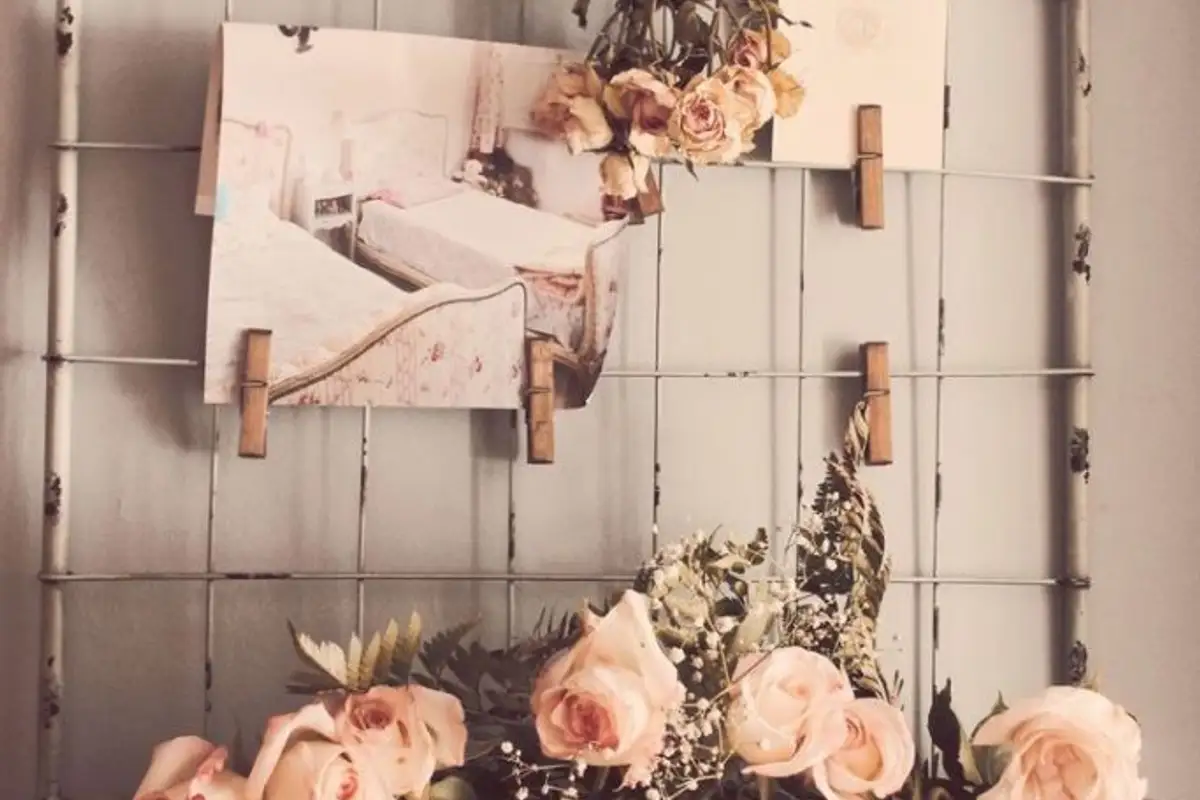
Decorative objects that punctuate shabby chic influences are candy jars, metal boxes with vintage prints, serving trays for sweets, dried flowers in bouquets or as petals, picture frames with metal filigree or antique wood, floral wallpaper, tin plaques inscribed with messages, etc.
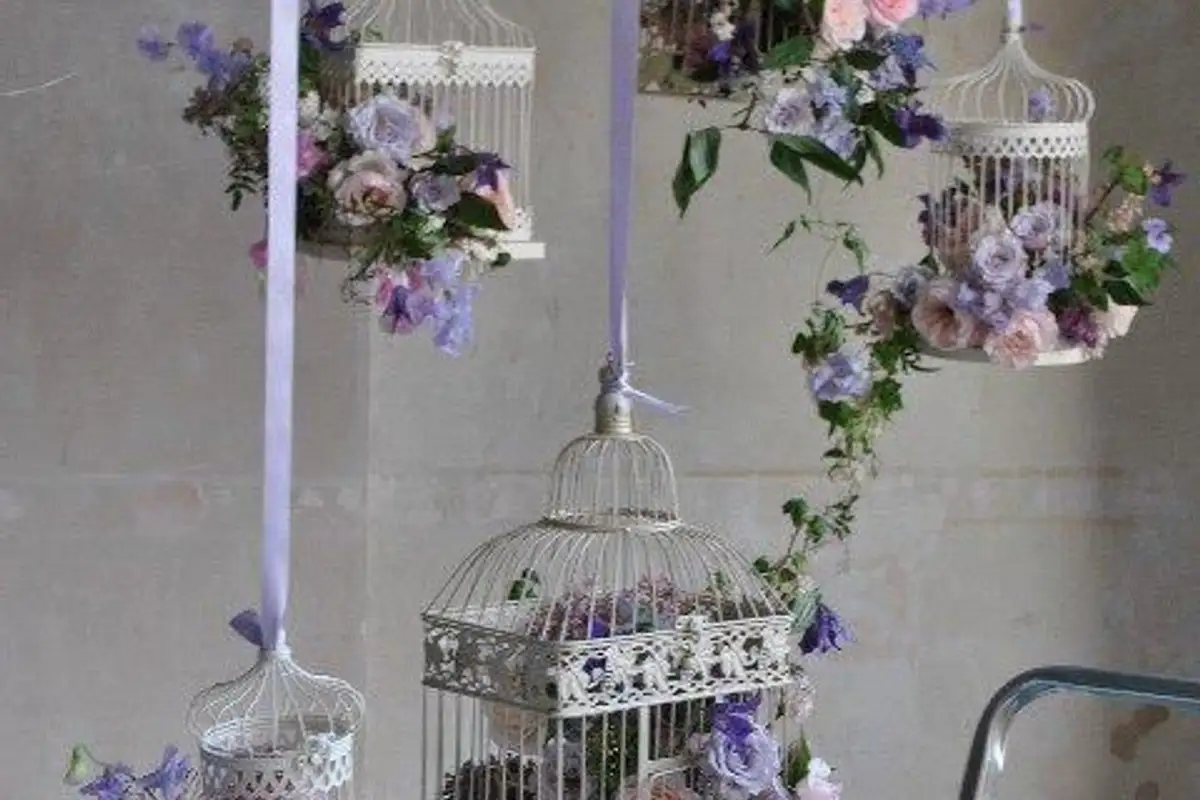
Shabby chic extends to garden design through the use of vintage-looking garden furniture and charming accessories – decorations in the form of metal cages, bohemian statues, outdoor cushions with lace trims, arches, etc. The flowers predominantly used in these style arrangements are roses.