Cooling and heating systems consume more energy than any other system in the house. Moreover, air conditioners pollute the atmosphere with massive emissions of carbon dioxide and sulfur dioxide. A smart cooling system saves money, energy, and significantly improves quality of life.
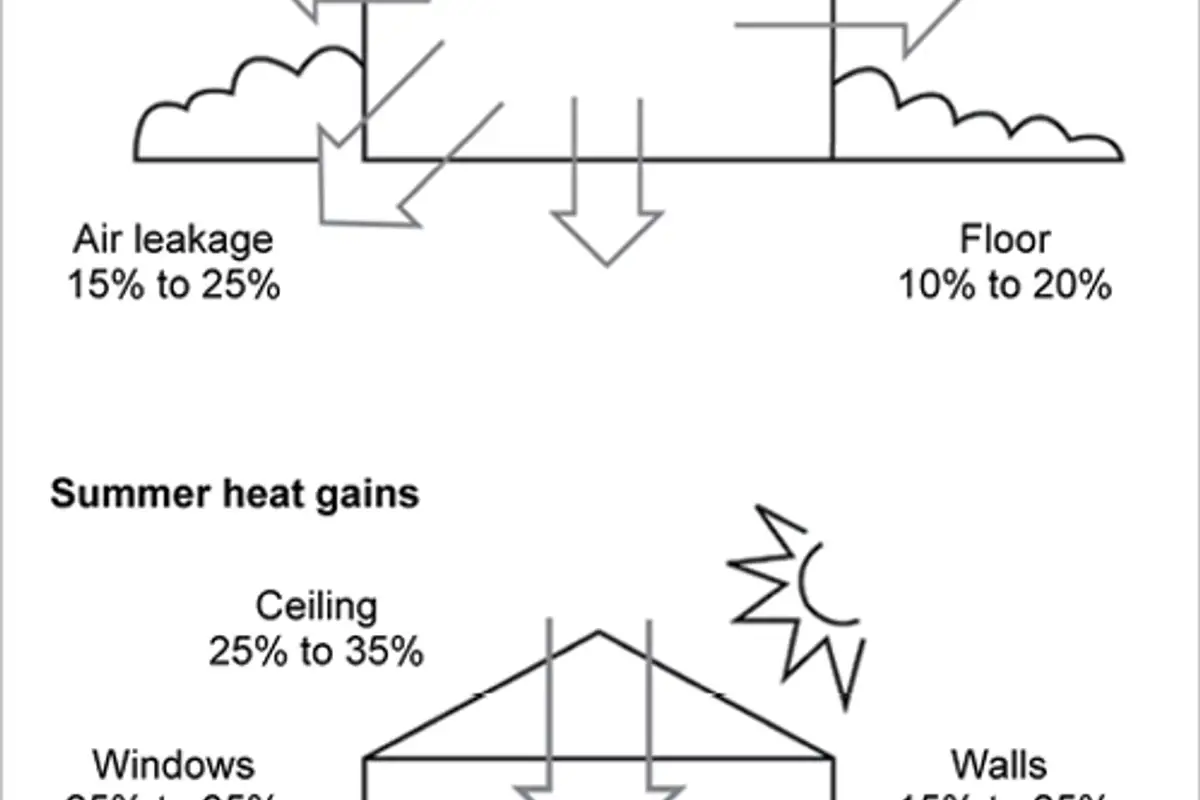
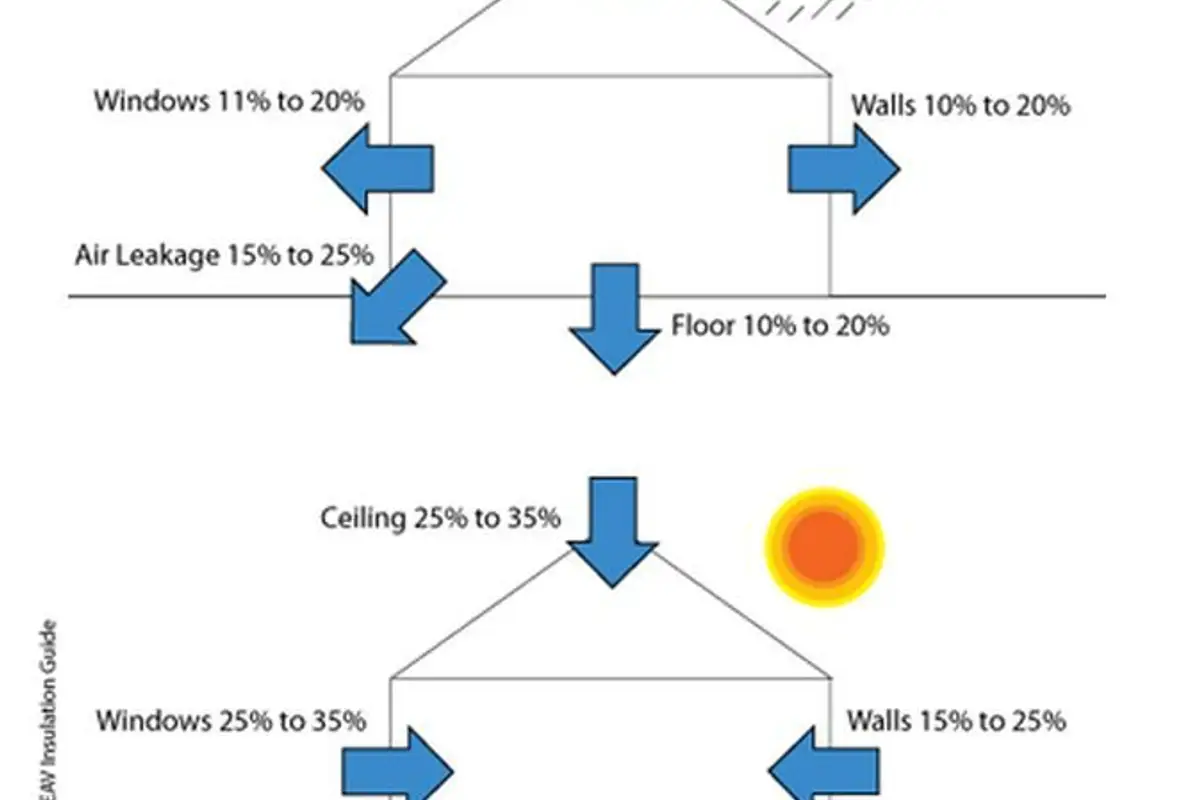
The diagram showing heat losses and gains experienced by a building during winter and summer, respectively.
1. Blocking Heat
The most efficient techniques are:
very good insulation, essential also for maintaining heat during the winter
heat rejection, for which the color of the exterior walls plays a crucial role – dark colors absorb 70-90% of solar heat, some of which is transferred indoors, so light-colored surfaces are recommended; as additional protection, radiant barriers can be installed – membranes with aluminum foils that have the property of reflecting heat
shading, the simplest and most efficient way to reduce cooling costs; among shading techniques we mention landscaping: strategic planting of trees on south and west facades – preferably deciduous ones, which completely shed their leaves in winter, allowing solar energy to enter the house.
Grapevine is also effective as it spreads quickly and can be planted in pots when natural soil is not available. Shrubs effectively protect the lower areas of the house and act as a barrier against cold air even in winter.
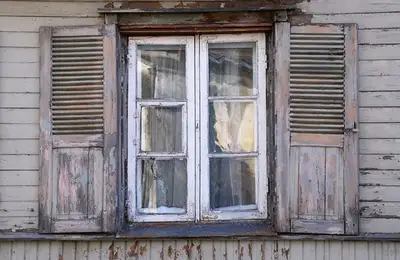
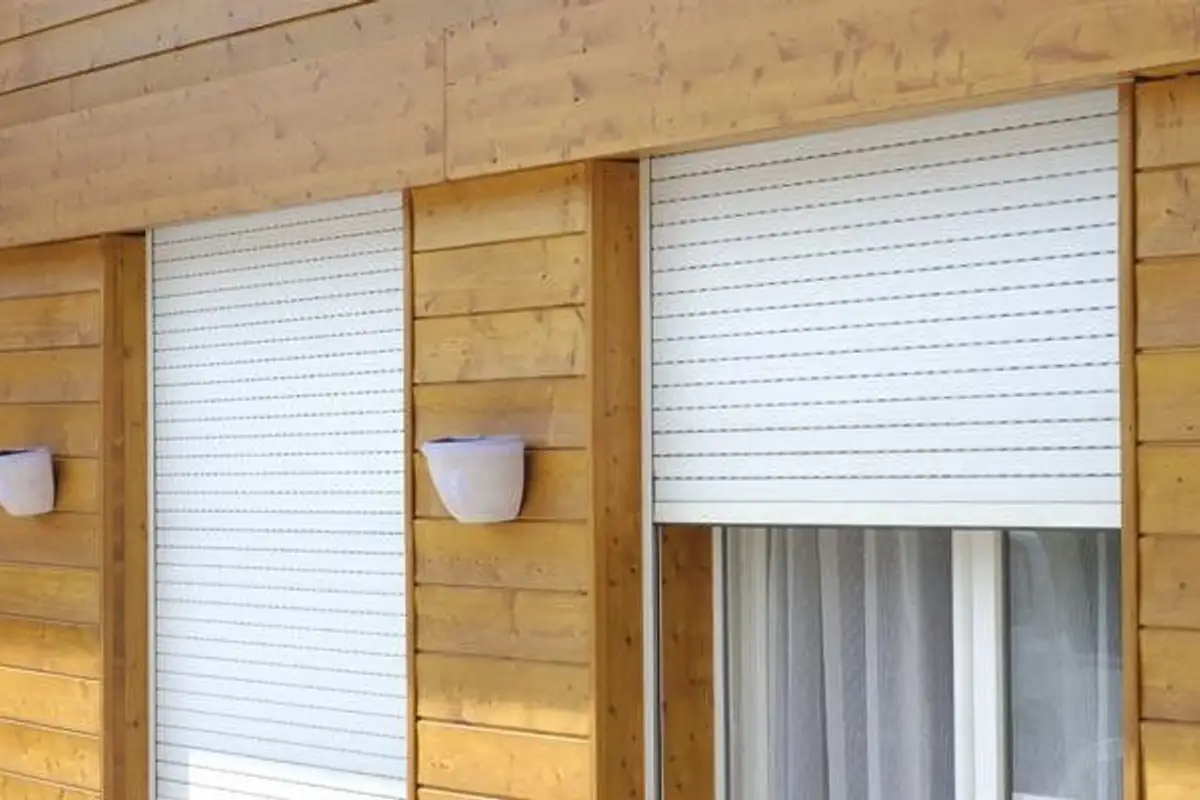
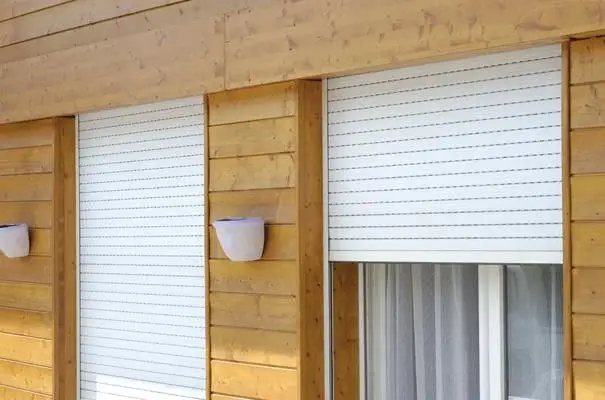
Curtains and window blinds are efficient when they are light-colored, reflecting solar rays. The closer they are positioned to the wall, the more effective they are.
2. Reducing Indoor Heat
Hot air will migrate outwards if you open the windows at the top of the house. Ventilating the attic/loft significantly reduces heat accumulated through the roof, which would otherwise reach the rest of the house.
Ceiling fans are another efficient solution as they consume 10 times less energy than air conditioners and do not pump cold air but ventilate the existing air, thus protecting health.