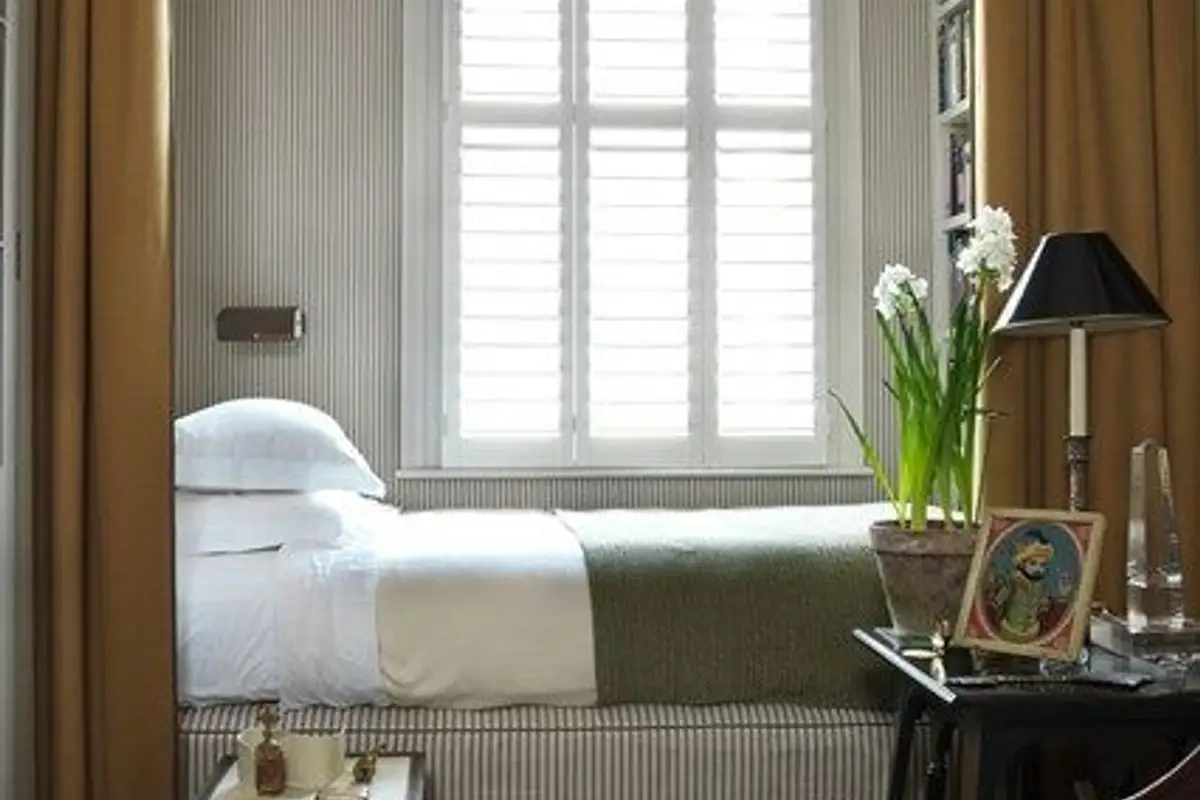
Many people face the challenge of limited space. Often, this problem is found in a small bedroom, insufficient for our ever-growing needs to store belongings.
While a large, airy room is desirable, reality doesn't always offer ideal conditions. What we can do instead is adapt stylishly to the space we have and decorate it practically and efficiently.
The key word when furnishing a bedroom is adaptation. From the bed to the nightstands and wardrobe, every element must be adapted according to the existing space. A king-size matrimonial bed will unnecessarily occupy the bedroom, creating disproportion. We know, it's comfortable, but you will find smaller models that can offer a restful sleep with reduced dimensions.
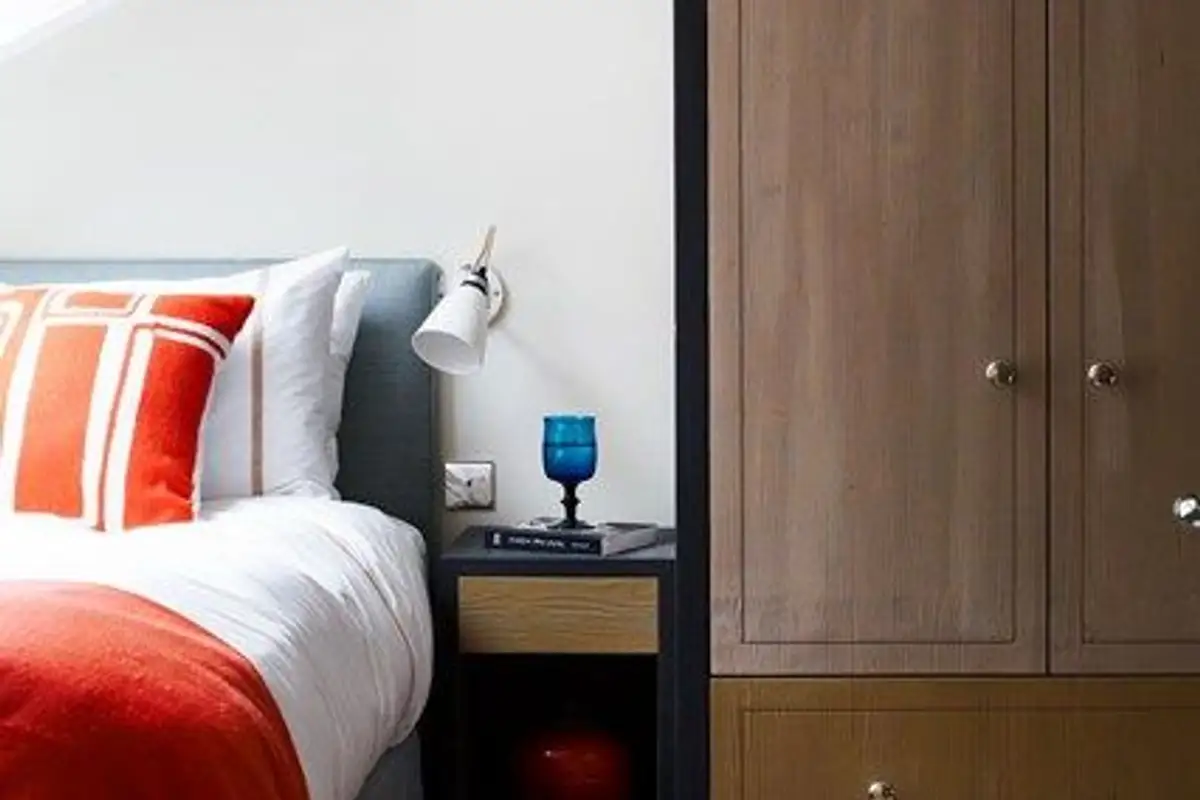
The dressing should also be adapted: occupying the entire wall will waste precious space and create an unpleasant feeling of suffocation and overwhelm. Limit its size instead. Clothes that don't fit can be moved to a wardrobe in the hallway. Thick linens and pillows can be easily stored under the bed.
For a small bedroom, it's necessary to consider multifunctional furniture; it can save you a lot of trouble by storing bulky items that wouldn't normally fit in closets.
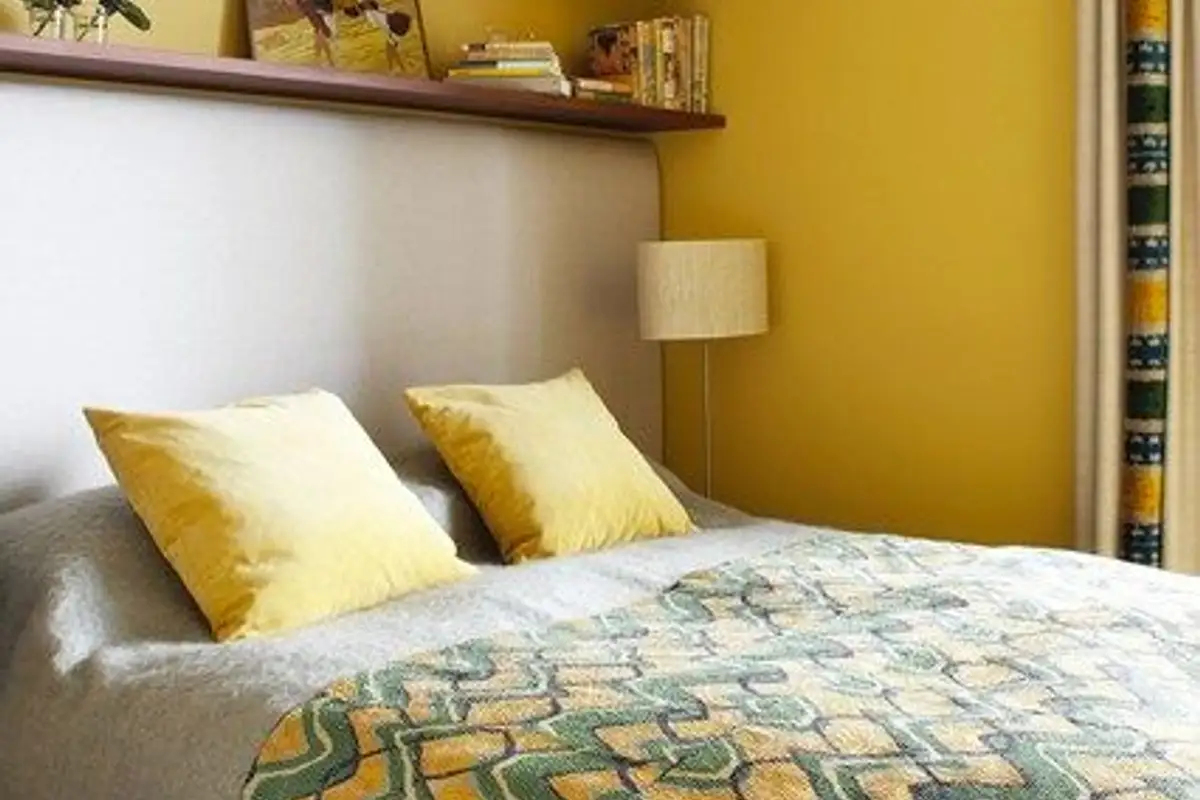
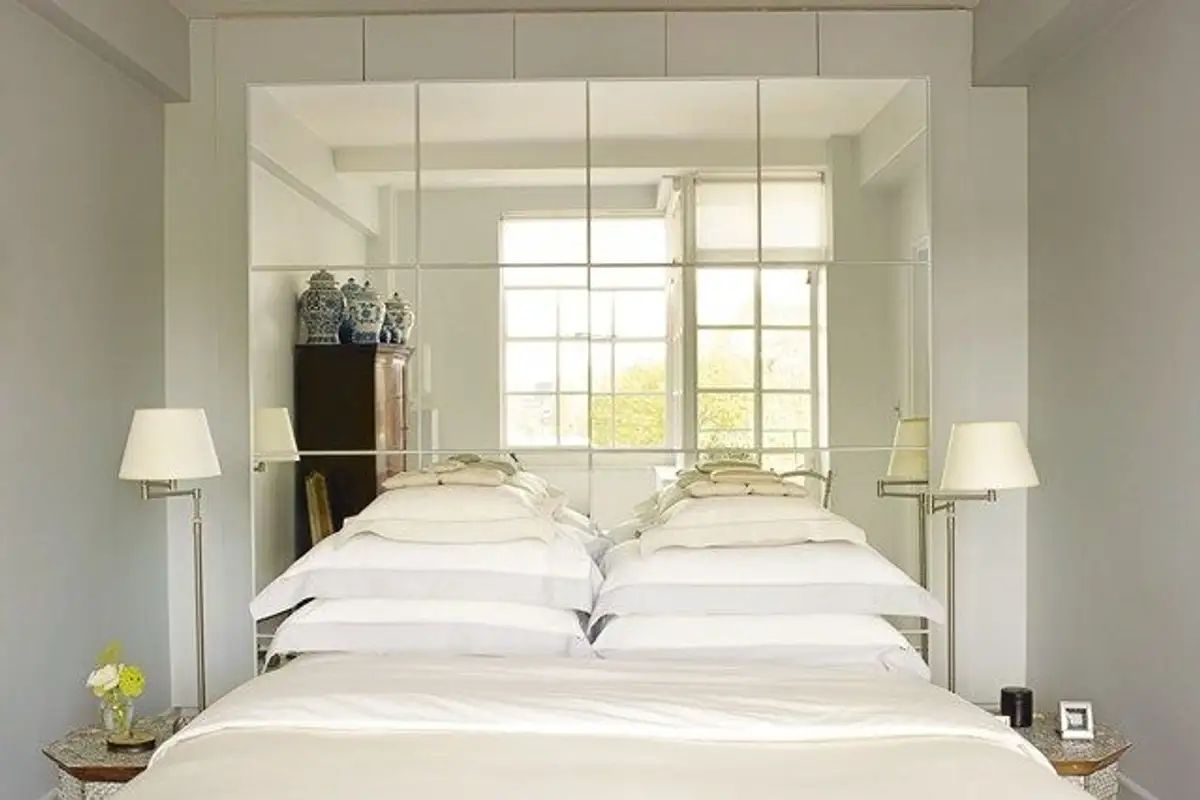
Colors are important too. Whether you accentuate the space with bold tones or maintain simplicity with pastel or neutral shades like cream, beige, or gray, white will never steer you wrong and will even enhance the effect of spaciousness and brightness in the room.
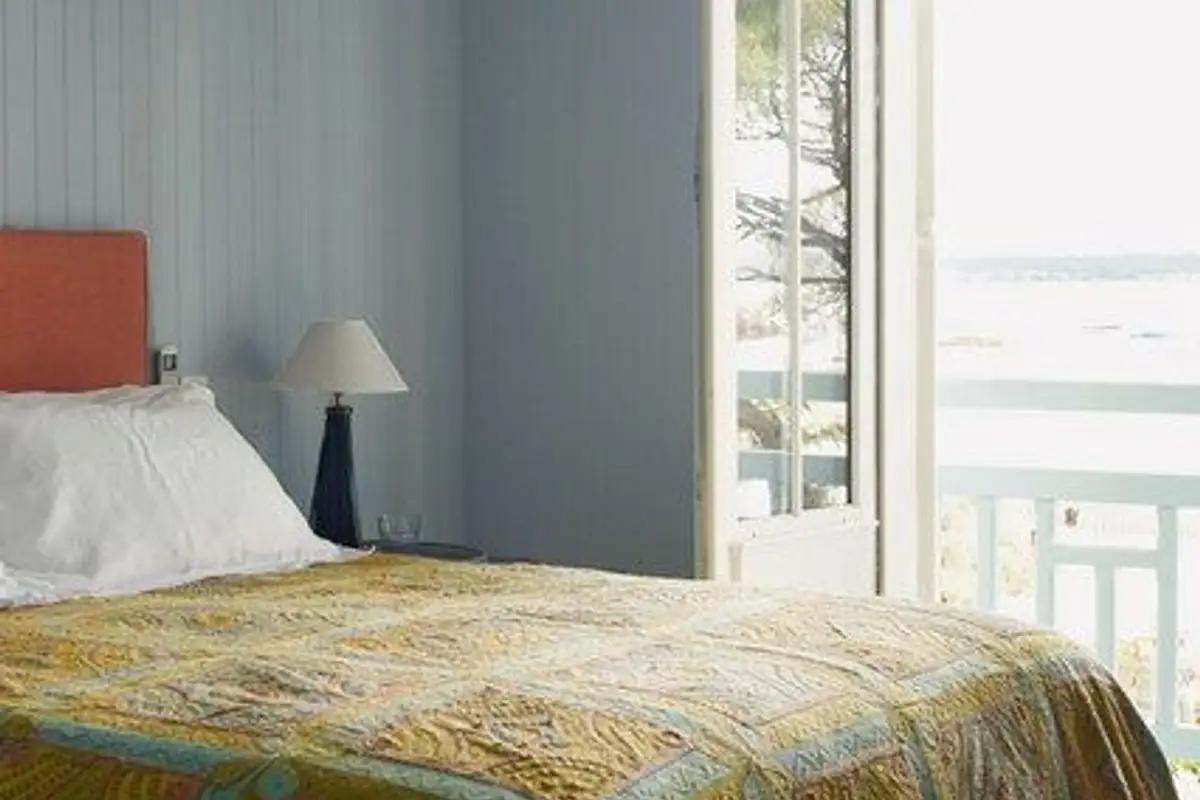
Our advice is to avoid creating a monotonous bedroom, but rather introduce elements of color, such as a painting, wallpaper, or bedding with cheerful patterns; even simple decorative pillows can refresh the décor of a small bedroom.
Let as much light penetrate as possible. Therefore, curtains are best if translucent or even transparent in light colors. Drapes can be omitted, as they risk unnecessarily burdening the space. A trick often used is mounting a mirror opposite the window; thus, the light will reflect and you will have the impression that the space is actually larger.