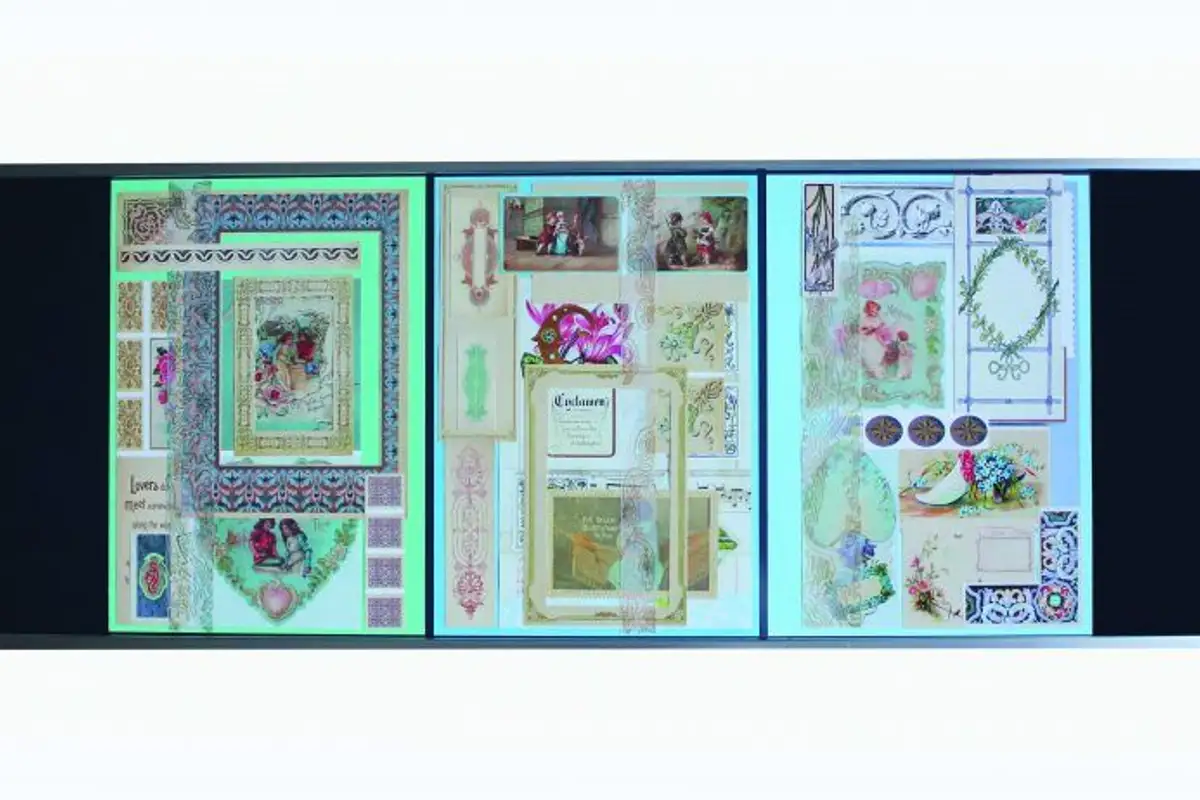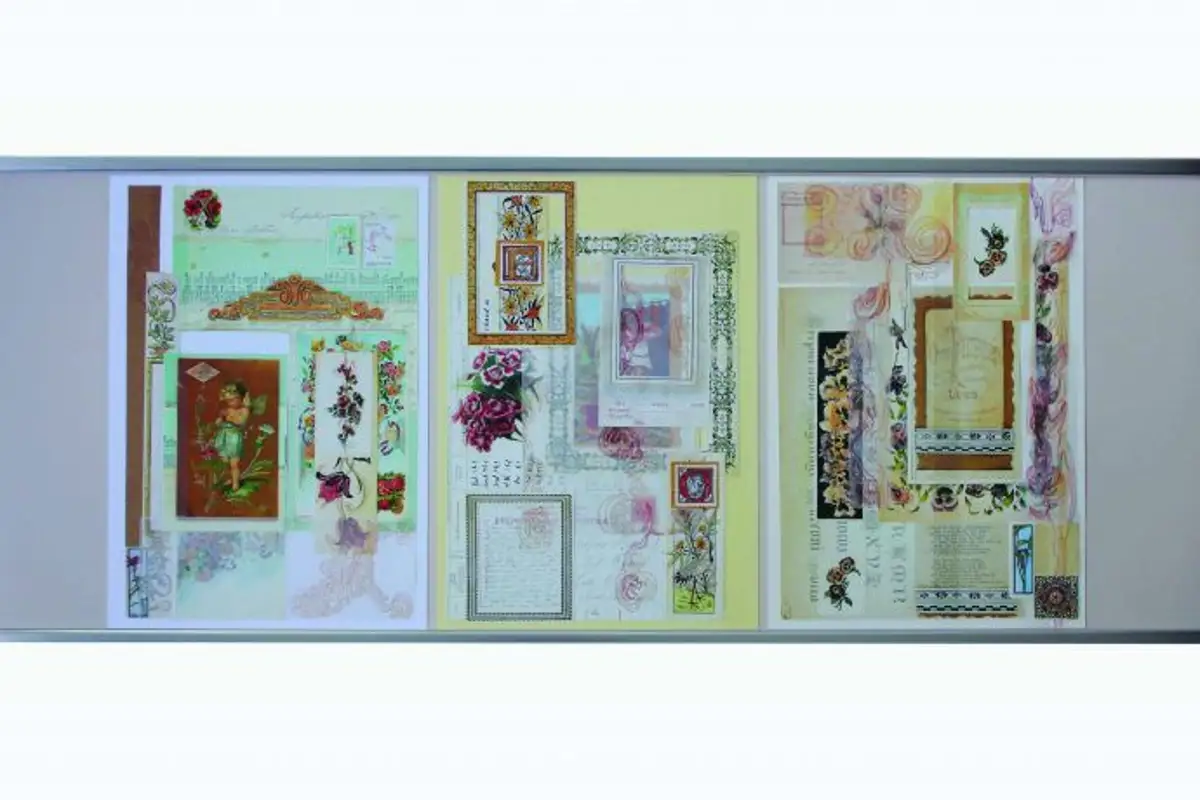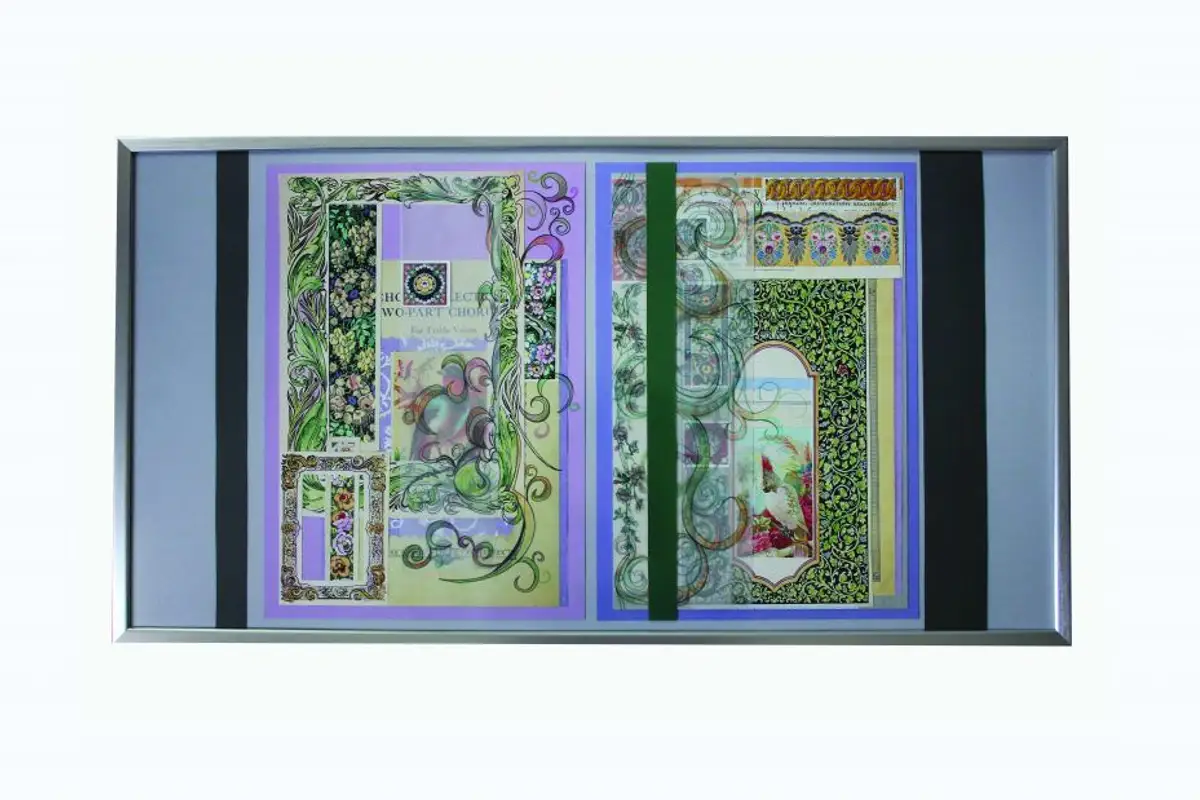
The collage technique has long been marginalized. Lately, however, it has been gaining ground, being considered a form of artistic expression where complex emotions can be found, similar to the sensory fragments that remain with people after experiences.
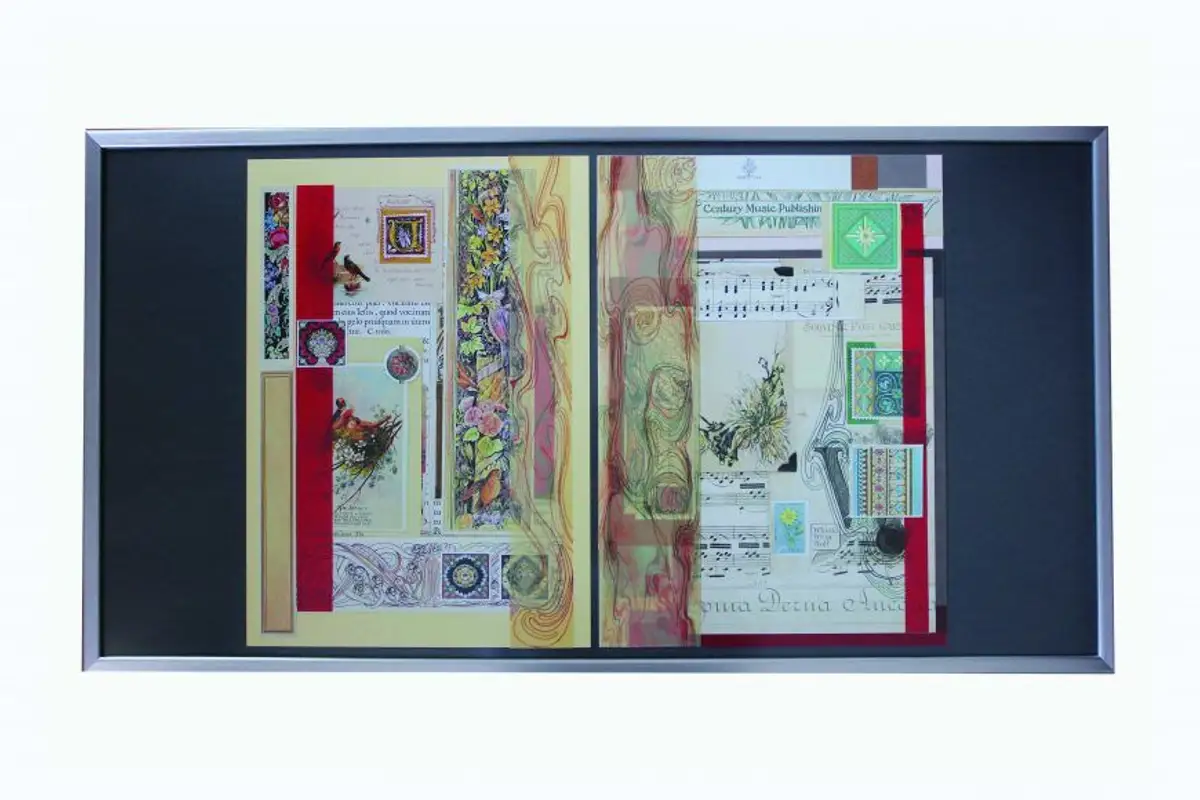
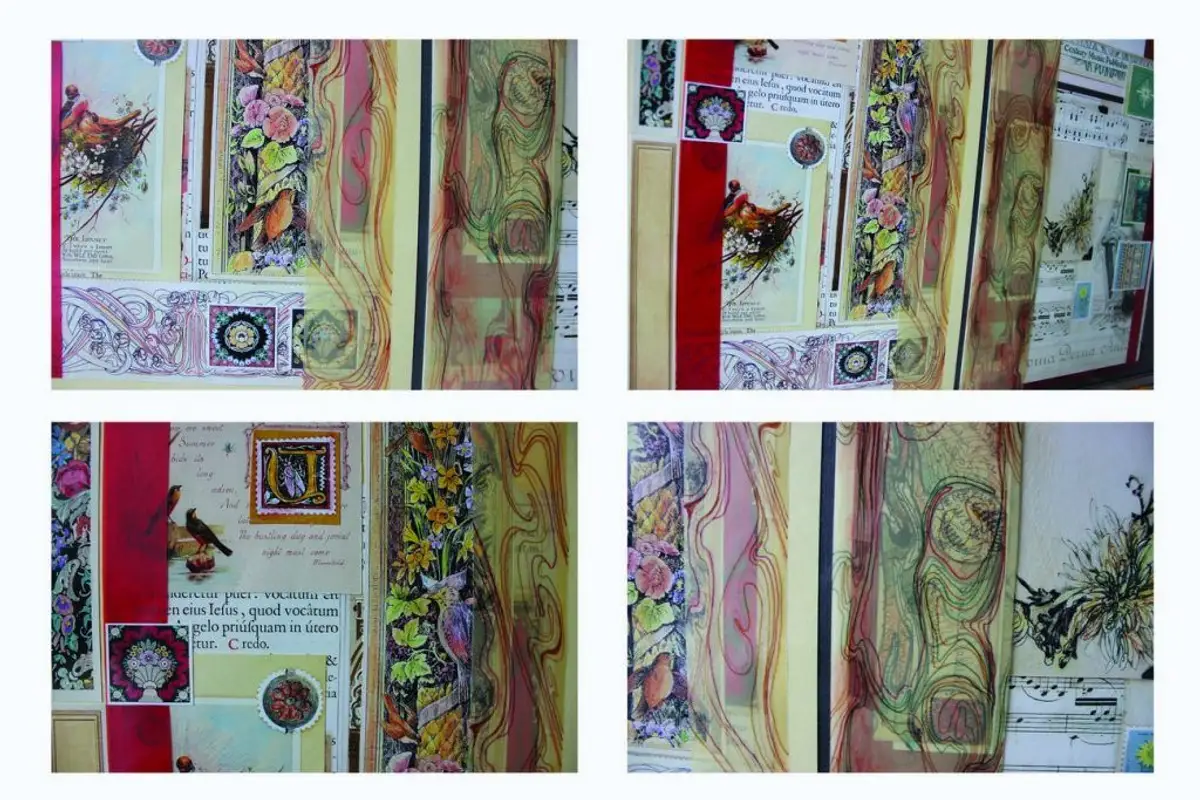
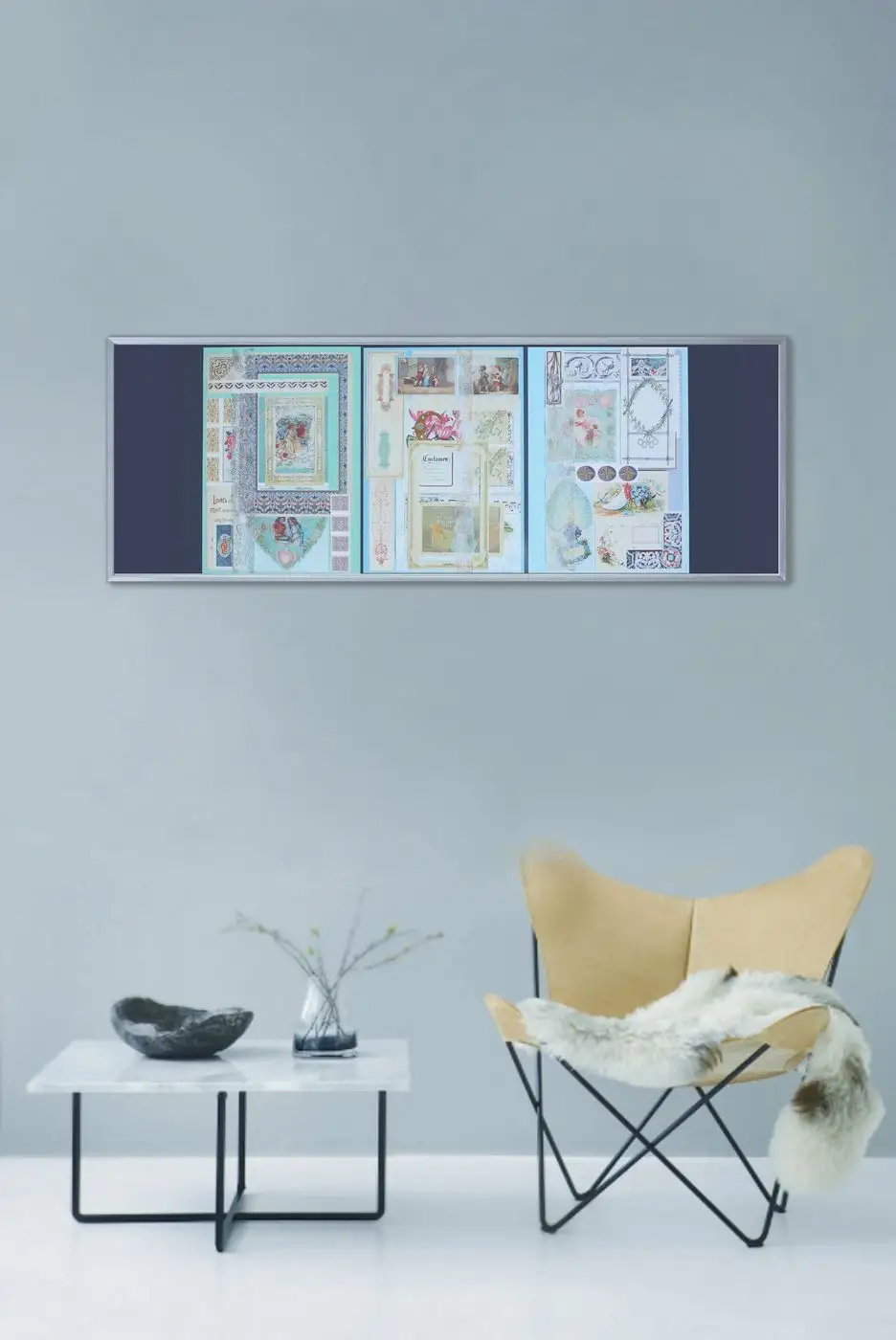
Today, Casa's story will present a series of collages that transpose the richness of Baroque details into a contemporary form and combine them, in an assumed eclecticism, with fragments inspired by several styles. The collection is called "Emotional Transparencies" and belongs to artist Cristiana Danes.
The superimposed transparencies juxtaposed with artistic currents such as Romanticism, Neoclassicism, Baroque, Rococo, Arts and Crafts, Art Nouveau, and Art Deco blend in a measured proportion and form a unique style, perceptible to those familiar with the frugality of emotions in modern society.
Starting from Neoclassicism which seeks the sublime ideal in an objective form, and moving on to Romanticism which does the same thing by subjectifying the external world, Baroque-style collages produce moments of tension characterized by the exaggerated use of movement and clarity.
Details are used abundantly, forms are clear, and symbolism can be easily interpreted without nuances of ambiguity.
As a late period in the evolution of Baroque, Rococo was characterized mainly by the richness and variety of details and ornaments, respectively by the exaggeration of Baroque characteristics to opulence. Fragments inspired by Arts and Crafts shift perceptions towards the intersection with the Art Nouveau period.
These are easily recognizable due to their curved, undulating lines that flow naturally, full of syncopated rhythms, like a musical leitmotif. Art Deco influences are felt through animal or plant motifs and forms.
All the fragments put together form a beauty that respects the finest aesthetic canons. The effect of these collages is fully felt only in the context of urban settings, where they become chromatic accents with emotionally charged aspirations.
Works using the collage technique are ultimately a statement of personal style: pieces from different styles unite on a well-defined background and create an emotion of the present moment, decipherable through the prism of the design concept in which they are incorporated.
At any moment, the perfection of a form can appear to us on a hand or a face. A certain tone of hills or sea may be more refined than others; a certain passionate state, visionary or intellectually boiling is irresistibly real or tempting for us only in that unique moment. Not the fruit of experience, but experience itself is the goal.
To always burn with this steadfast and unwavering flame, to never stray from this ecstasy, here lies success in life.
Even if everything melts under our feet, we can still speak of any refined passion, of any contribution to knowledge which, by clarifying a horizon, can put the spirit at liberty for a moment, of any exaltation of the senses through strange nuances, bizarre colors, curious smells, works of art or dear faces.” (Walter Pater, "Essay on the Renaissance", 1873)