Tea, a beverage so appreciated today, was known since ancient times. Legend has it that the Emperor of China, Shen Nong, discovered it by accident when some tea leaves fell into a vessel of boiling water. Tasting it, he liked the aroma and from that moment on, tea consumption spread throughout society, becoming part of Chinese culture over time.
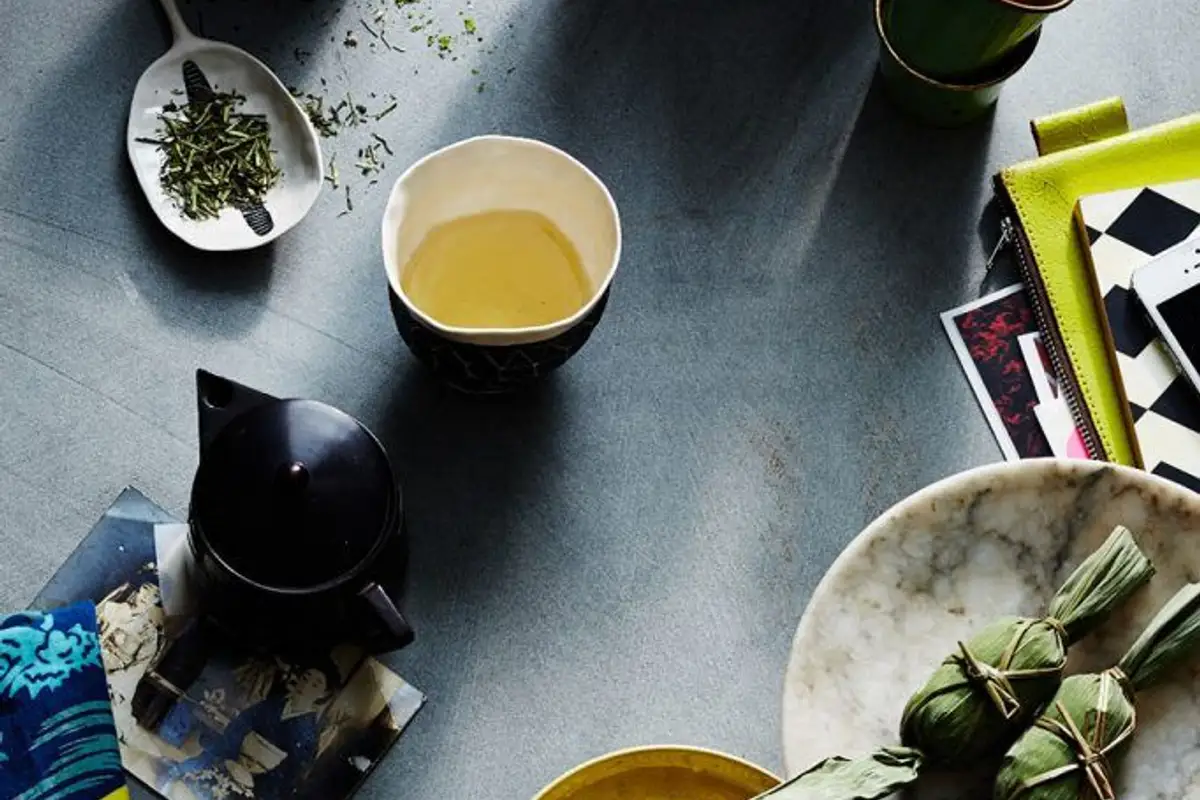
Gradually opening the Gallery, other cultures also came to know this beverage. In Japan, for example, the preparation and serving of tea were elevated to the rank of art through the Japanese tea ceremony, a ritual based on simplicity and especially on the extreme politeness and delicacy with which all operations were carried out.
In England, the 5 o'clock tea custom is attributed to Anna Russell, Duchess of Bedford, who integrated it as an English tradition in 1841.
The custom of serving tea in our country was borrowed from Western cultures (especially English culture), becoming a habit that gradually entered our customs. First, the healing properties of tea were explored, and then it was served as a beverage on various occasions.
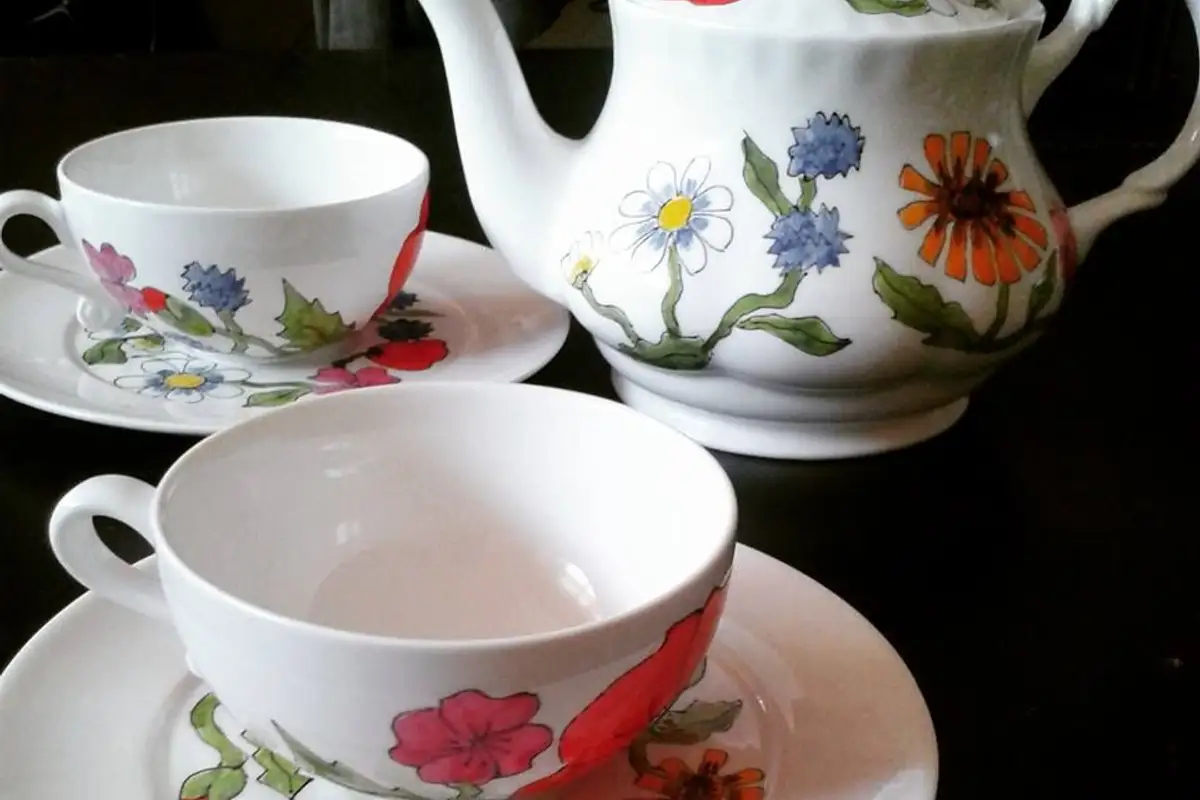
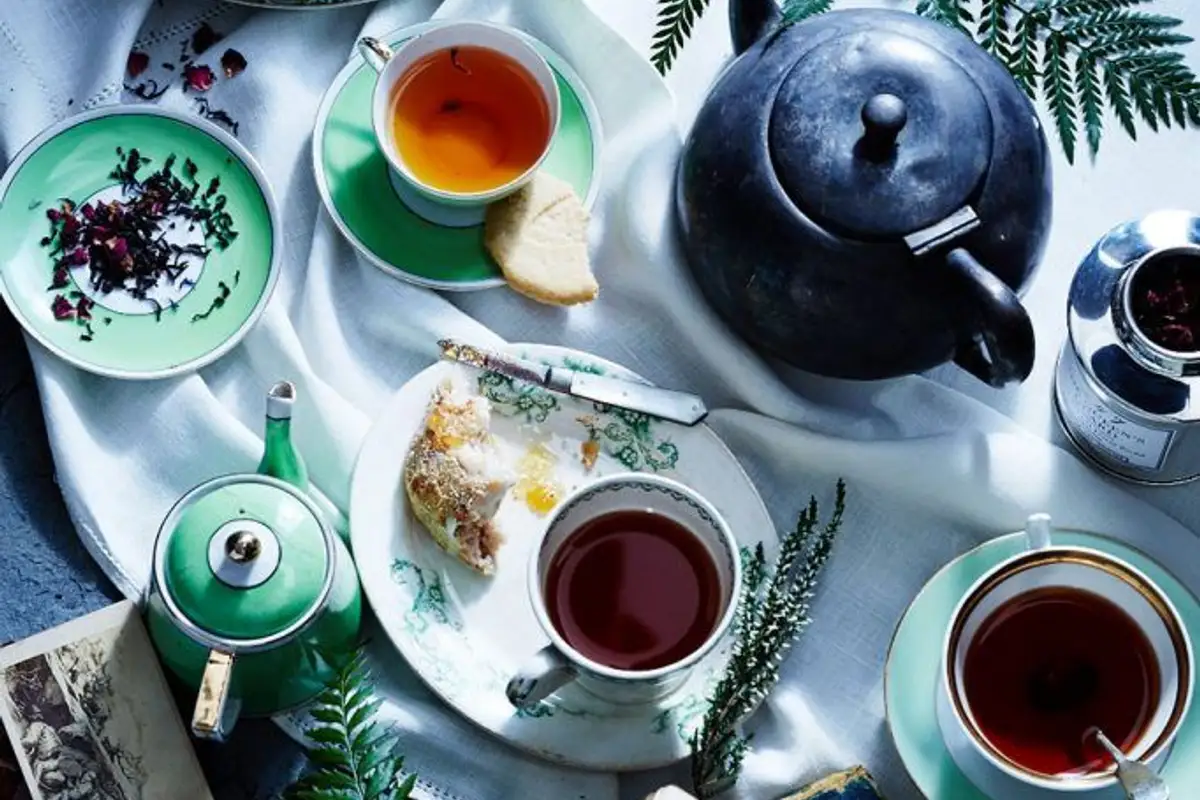
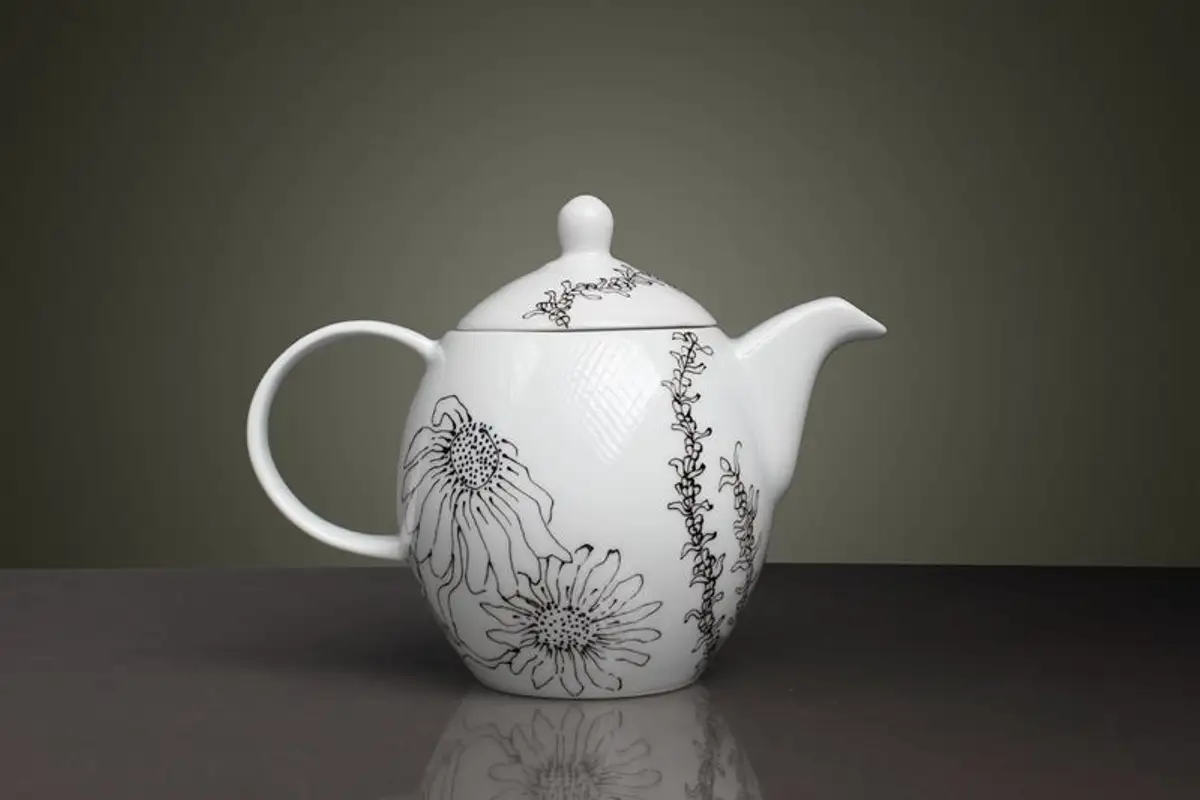
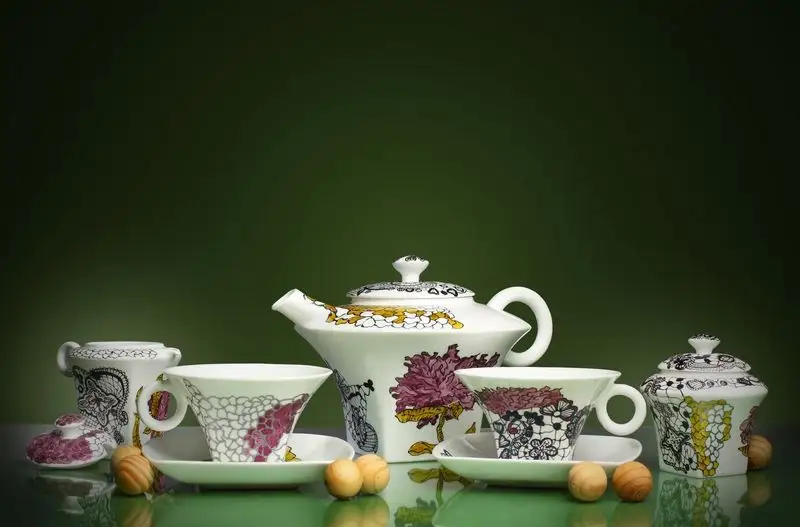
Besides the numerous varieties that exist, the tea ritual would not be the same without the appropriate vessels. Thus, various ways of preparation and preservation have emerged as a natural evolution of times in which the cup and teapot have gained exceptional decorative value, becoming truly special pieces.
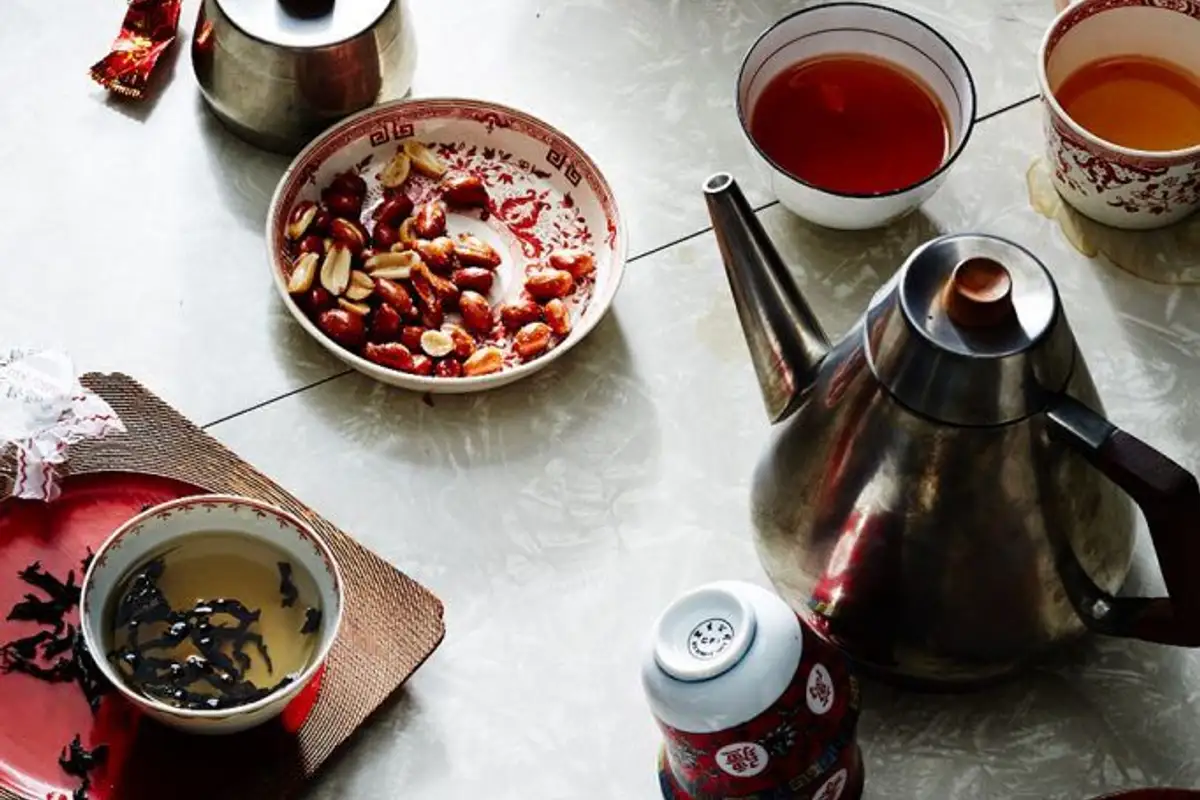
For example, in China, the tableware used in the tea ceremony is unique, with porcelain from the Ming dynasty being extremely valuable. In the Japanese tea serving ritual, all stages have a well-defined role: from the range of flavors to the colors of the seasons reflected in the tea services used.
In England, the elegance of this ritual makes time stand still when 5 o'clock tea is served alongside small snacks.
No matter what your preferred method of preparation or serving may be, the important thing is to savor this moment in peace, bringing a touch of tranquility and peace into the daily hustle and bustle.
The Tea Ritual in Different Parts of the World: China