Textures play an essential role in outdoor home design, adding depth, visual interest, and a variety of tactile sensations. The strategic use of textures can create a more inviting and appealing outdoor space.
Types of textures:
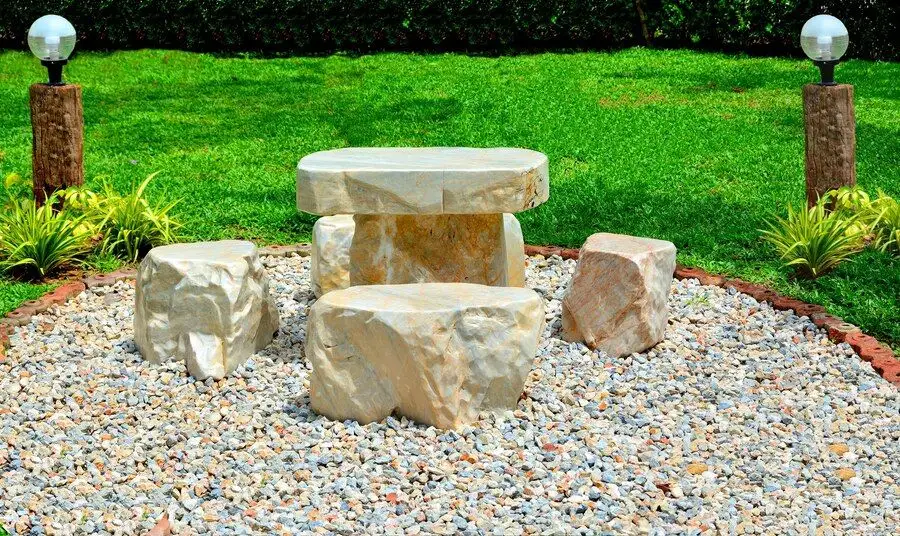
Natural materials such as stone, wood, brick, and plants offer a variety of interesting textures. Stone can be smooth or rough, wood can be fine or rustic, brick can be glossy or matte, and plants can have soft, prickly, or velvety leaves.
Artificial materials such as metal, glass, plastic and fabrics can also be used to create textures in outdoor design. Metal can be polished or matte, glass can be transparent or opaque, plastic can be smooth or textured, and fabrics can be soft, rough or thick.
The Role of Textures:
Add depth: Textures can create a sense of depth and three-dimensionality in outdoor design. A combination of smooth and rough materials can make a space appear larger and more interesting.
Create visual interest: Textures can be used to create focal points and emphasize certain elements in the outdoor design. For example, a wall made of natural stone can be a spectacular focal point in a garden.
Provides a variety of tactile sensations: Textures can be used to create a range of tactile experiences, from smooth and soft to rough and hard. This can make an outdoor space more enjoyable to experience.