There are quite a few thermal insulation solutions on the Romanian market, but not many people know how to choose the best solution for their home or the building they want to construct.
Especially for those who want to buy an apartment in a new residential complex, the insulation of the dwelling is extremely important in the long run. Moreover, not all thermal insulation materials offer the best fire protection or efficient acoustic insulation. Here are the five most commonly used thermal insulation materials, as well as their advantages and disadvantages:
1. Glass wool
It is made from very thin glass fibers, agglomerated and woven together. Due to the manufacturing method, the material effectively prevents the transfer of thermal energy. In addition, glass wool is fire-resistant: it does not catch fire and does not help spread a potential fire.
On the other hand, glass wool can exacerbate respiratory problems, according to a study published in Environmental Health. And its installation is extremely difficult, precisely because of the way it is made.
Glass wool is made up, besides the thin fibers of glass fiber, of silicon and glass powder, so the installation is done only with protective equipment, gloves and a face mask.
2. Basalt mineral wool
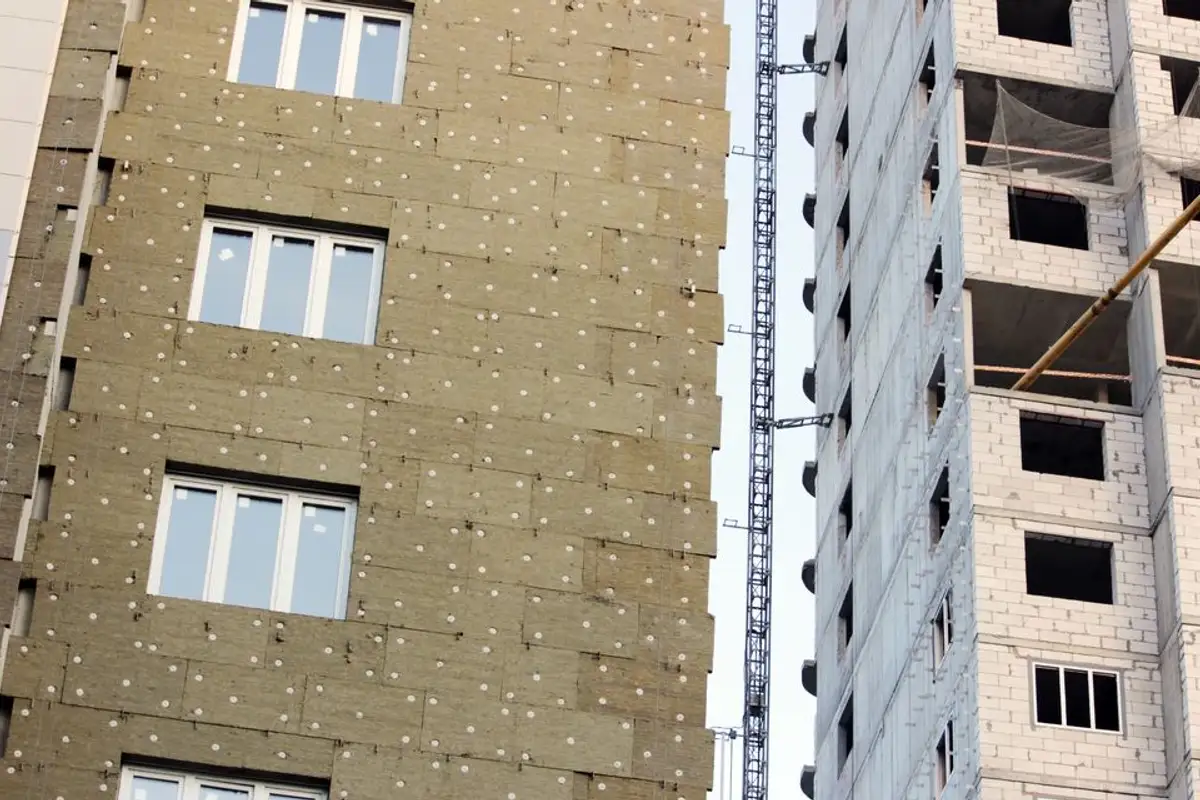
Basalt wool is a more rigid and denser material than glass wool, but it has better insulating properties: it is incombustible, insulates acoustically and thermally more efficiently and is considered a high-quality ecological material. You can use basalt wool for the thermal insulation of walls, roofs, but also as a fireproof material between floors.
Basalt wool has other uses besides home insulation: it is recommended to use it in hydroponic cultures, as a plant support material. So, if you have any surplus left after the construction works, you will know what to do with it.
3. Cellulose