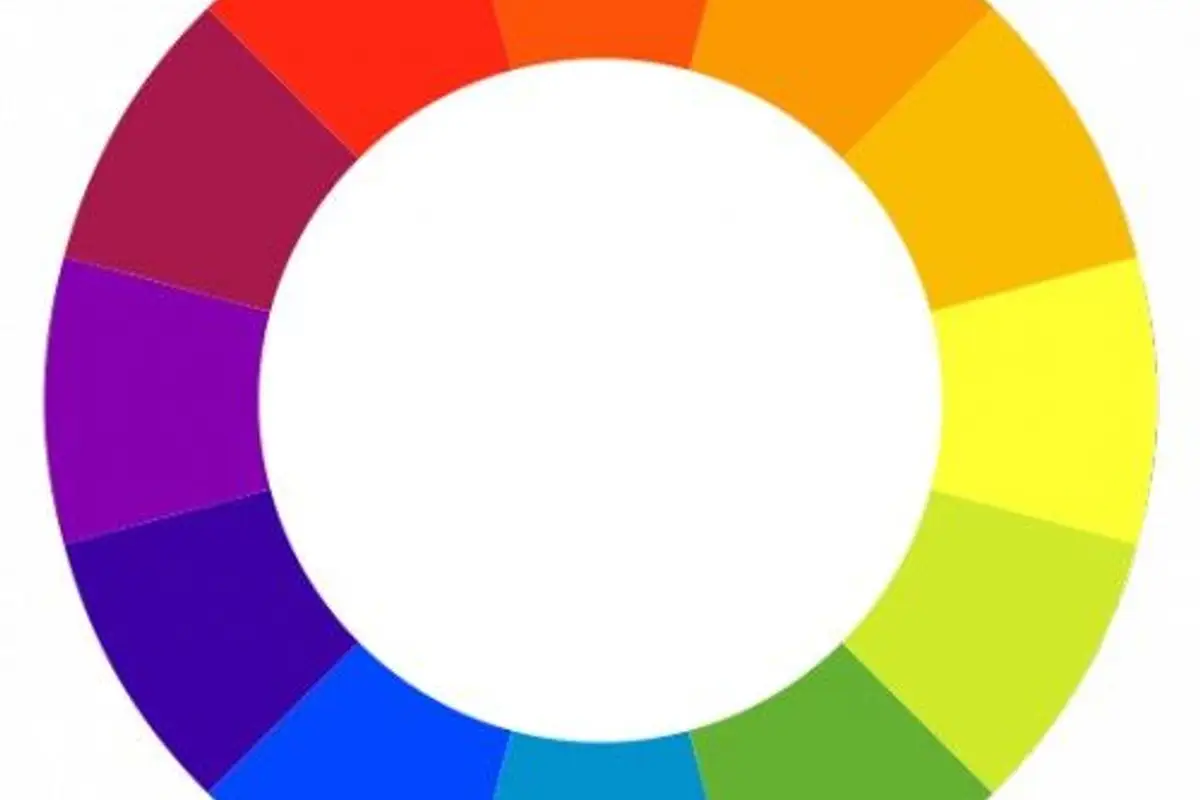
The color wheel is an instrument often used in interior design to understand and choose colors based on how they harmonize. Isaac Newton's invention from 1666, the color wheel is more relevant than ever, being a basic tool for understanding colors.
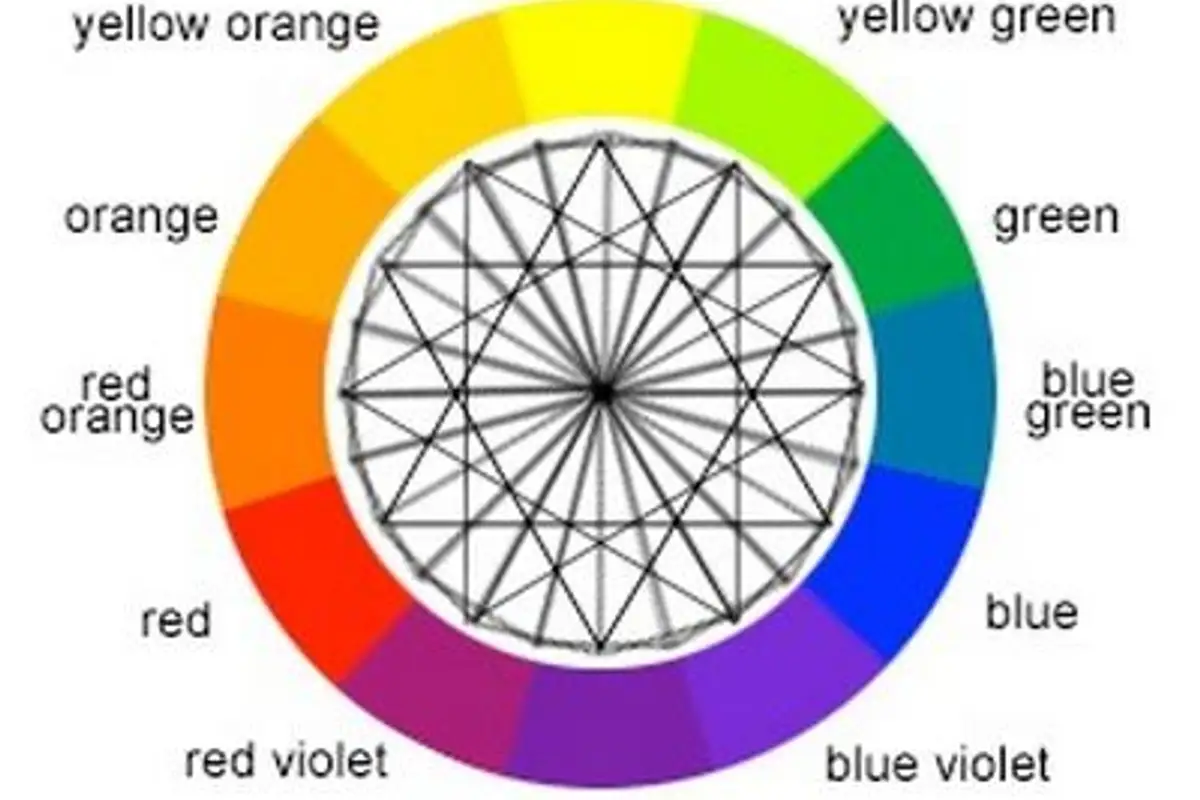
If you are in the middle of a renovation process and are struggling with choosing the right shades, the simplified color wheel (which you will find in the photo gallery) will help you get a general idea of how to use colors. Here are some enlightening details in the following lines.
There are 3 types of colors in the color wheel. Thus, the primary or base colors are red, yellow and blue. Then we have secondary colors: orange, green and violet, obtained by combining two primary colors. Tertiary colors complete the circle being obtained by combining a primary shade with a secondary one.
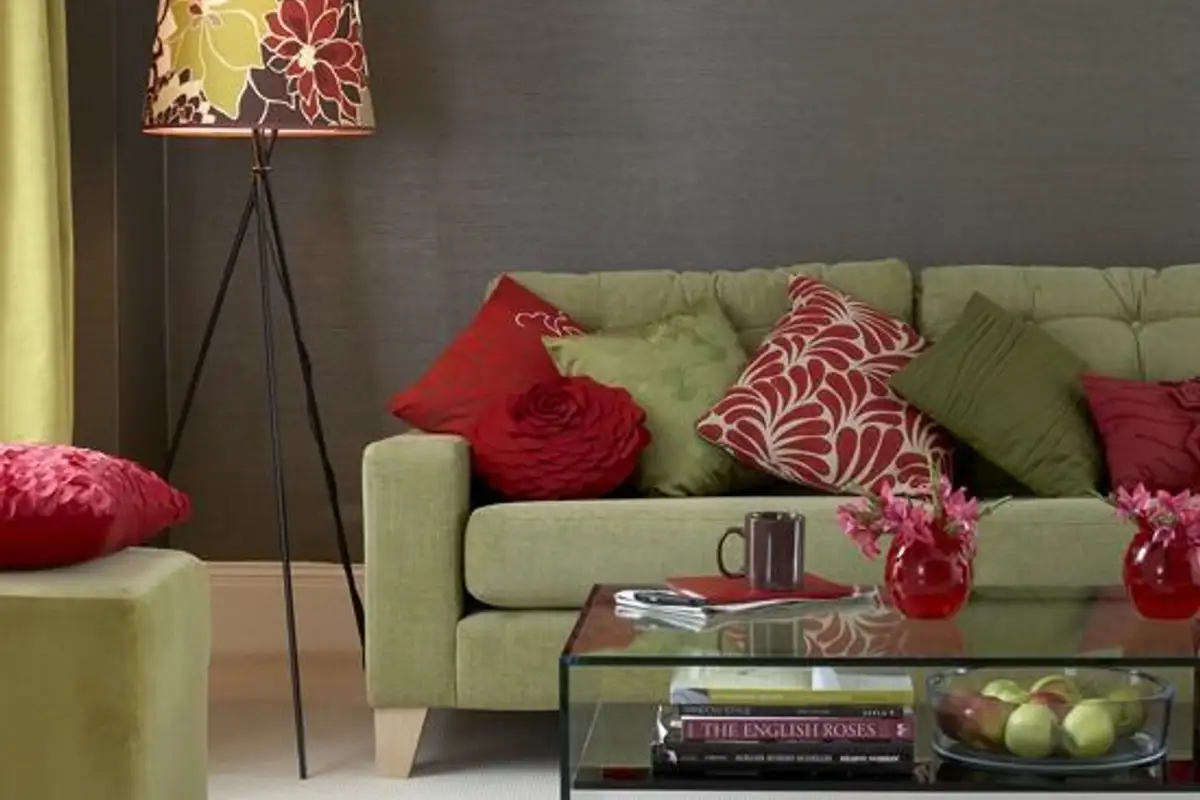
In addition to these three types mentioned, we will also mention complementary colors. Complementary colors are those that are diametrically opposite on the circle, such as red and green. As a general rule, this type of color goes well together, but the contrast between them is strong, which can create visual discomfort. Orange and blue are also complementary.
Used in decor, you can say that you have used a complementary scheme.
There are also analogous colors or neighboring colors, which are those that are next to each other on the color wheel. Yellow-orange, orange and red-orange is an example of an analogous chromatic scheme. The same goes for yellow, yellow-green and green.
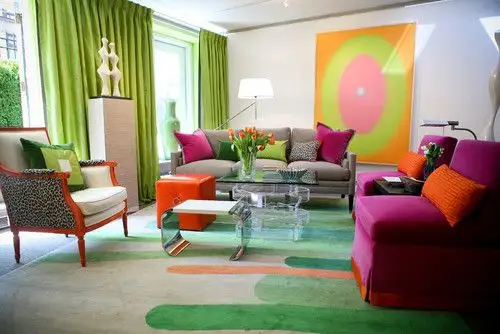
Color triads refer to the use of three colors equally spaced on the circle. These can be from any category, primary, secondary or tertiary. As a suggestion, you can combine a strong color with two lighter shades to maintain balance in the arrangement.