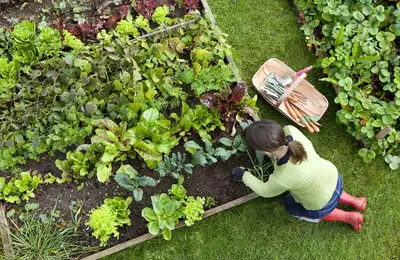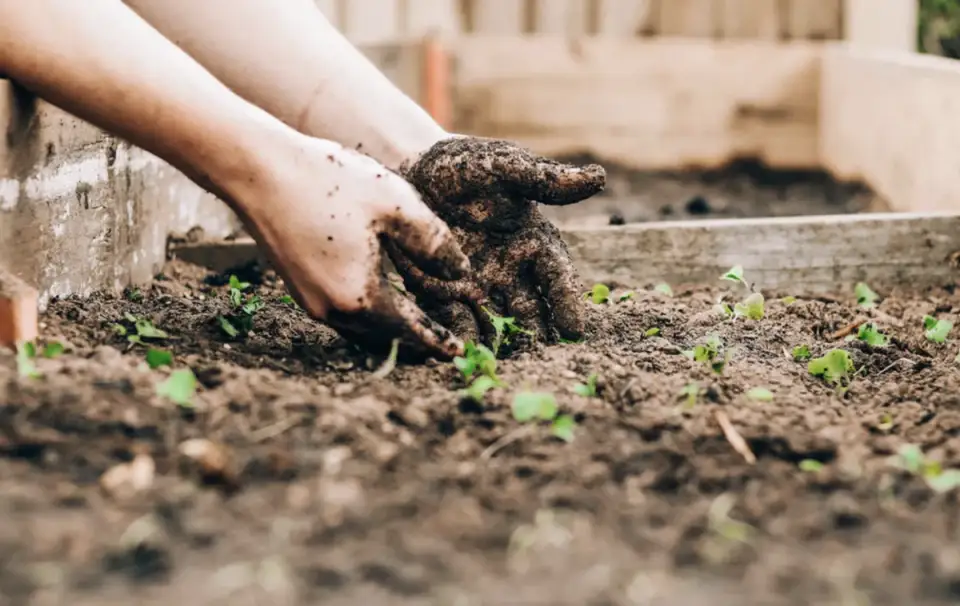
Many people underestimate the impact soil has on the health and vigor of plants. Soil preparation may not be the most attractive stage in gardening, but it is undoubtedly one of the most important. If the soil is not suitable, the garden will not be able to reach its maximum potential.
“A garden is a reflection of the quality of its soil. Gardens with good soil have a vitality that you can almost feel,” says landscape designer and author Jan Johnsen.
To achieve this vitality, it is essential to understand the structure and chemistry of the soil and create optimal conditions for plant development. Soil care is an ongoing process. Here are 6 basic principles for healthy soil.
1. Know the type of soil in your garden
All soils are composed of a mixture of mineral particles: clay, sand, and silt (loam). The different proportions influence drainage, water retention capacity, and nutrient availability.
In short:
Clay soil retains water and nutrients well but drains poorly and compacts easily.
Sandy soil has large particles, drains quickly, and loses nutrients easily.
Fine loamy soil (silt) compacts easily and can prevent aeration.
Loamy soil is ideal for most plants, having a balance of all particle types and a high humus content.
In Romania, many gardens have clay or sandy soils. Adding organic matter is the most effective way to improve soil structure. A practical alternative is to create raised beds filled with a mixture of well-balanced soil. You can also choose plants adapted to your soil type.
2. Test the pH of the soil
Most plants prefer slightly acidic soil with a pH between 6 and 7, where nutrients such as nitrogen, phosphorus, potassium, calcium, and magnesium are easily accessible.
In Romania, soil pH can vary significantly even within the same yard. Therefore, it is recommended to take samples from several areas.
Testing methods:
rapid soil testing kits
laboratory analyses, useful especially for new gardens
Soil that is too acidic can be corrected with lime-based amendments, while soil that is too alkaline can be corrected with sulfur or other specific products. An alternative is to choose plants adapted to the natural pH of the soil.
3. Improve the soil with organic matter
compost from plant waste
well-rotted manure