pleasure to be working with you on this project. We are excited about the opportunity to showcase our expertise in [mention your area of expertise]. We believe that our team's skills and experience align perfectly with your needs, and we are confident that we can deliver exceptional results.
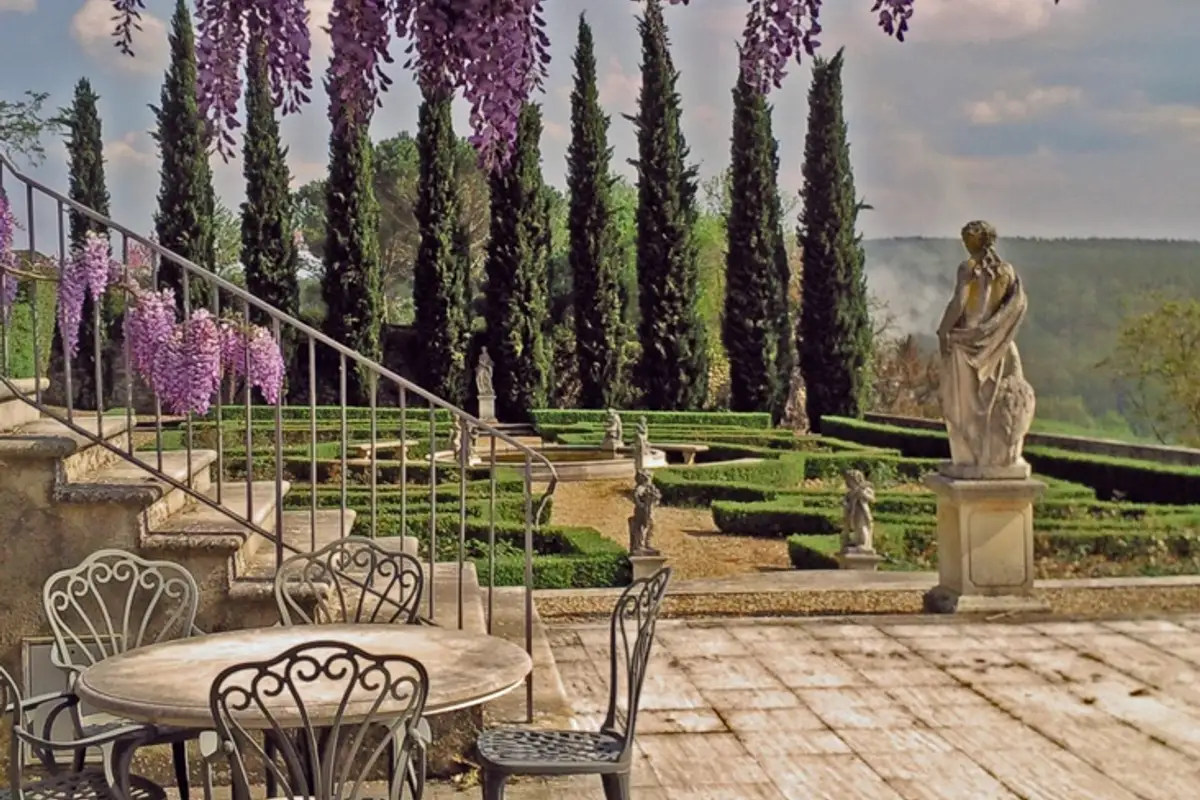
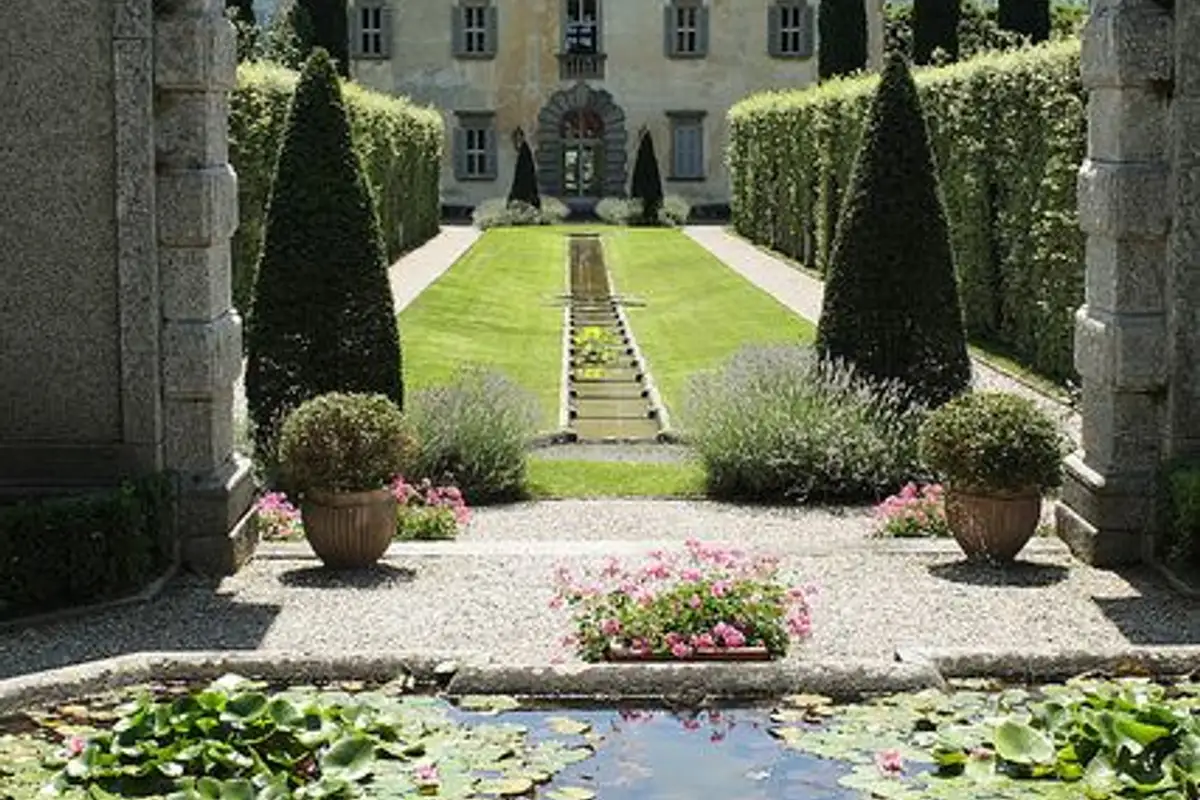
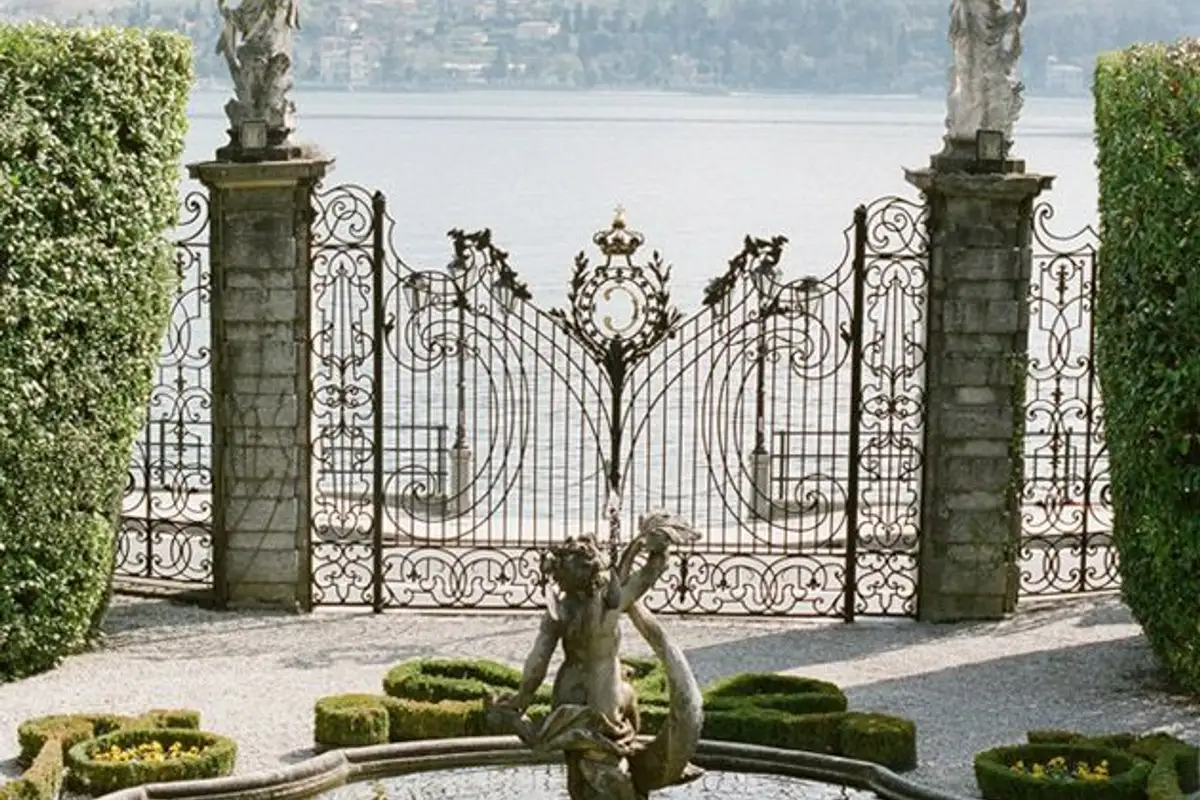
Let's discuss your vision for the project in more detail so we can tailor our approach accordingly.garden The classic garden is modeled after Renaissance gardens. Its main features include a grassy parterre situated below ground level, with a statue or fountain typically located at the center.vegetation It is molded into geometric shapes.
The concept of the Italian garden was born from the desire to find the perfect balance between the rigors of reason and creative fantasy. From this perspective, nature is beautiful when it impresses visually, with every garden created in this style being a true work of art.
Read also French gardens, defining features: order and symmetry
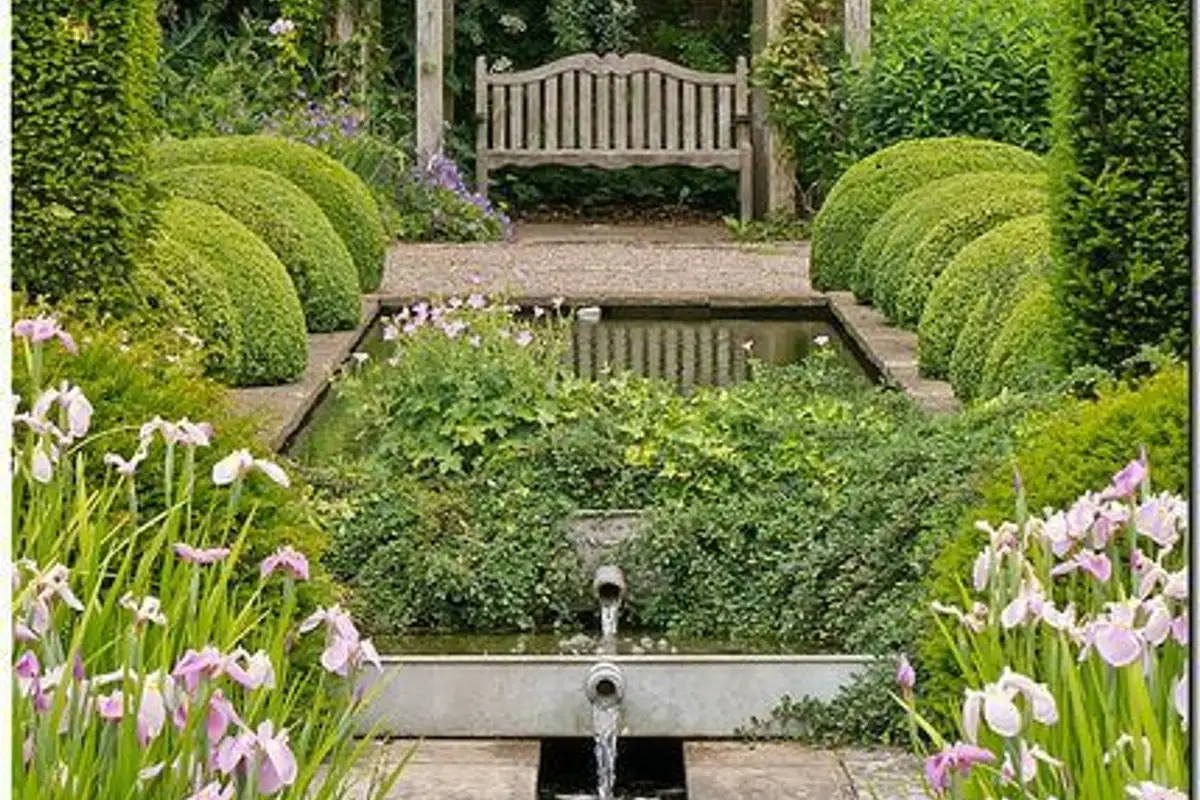
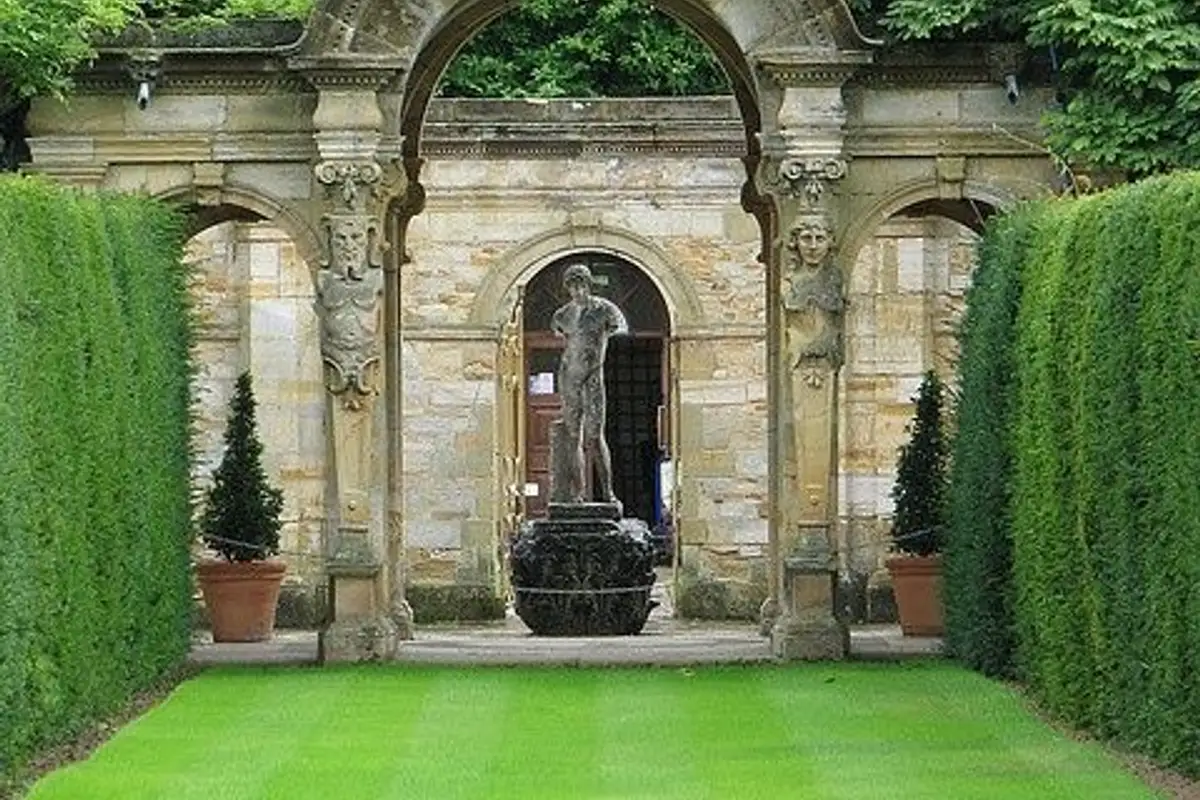
The vegetation is subordinate to the geometric composition: trees are planted in straight lines, hedges and curbs are strictly trimmed, and shrubs modeled into geometric shapes create a harmonious, organized décor that impresses visually through its play of volumes.
In the Italian tradition, the garden is a place dedicated to walks, and in this case, paved paths and terraces play an important role. Another advantage of this type of garden is that it does not require much space for landscaping; an Italian garden can achieve perfection on just a few hundred square meters.
Not being limited to a single level, it can naturally incorporate, through steps and terraces, both perfectly flat and sloping terrain.
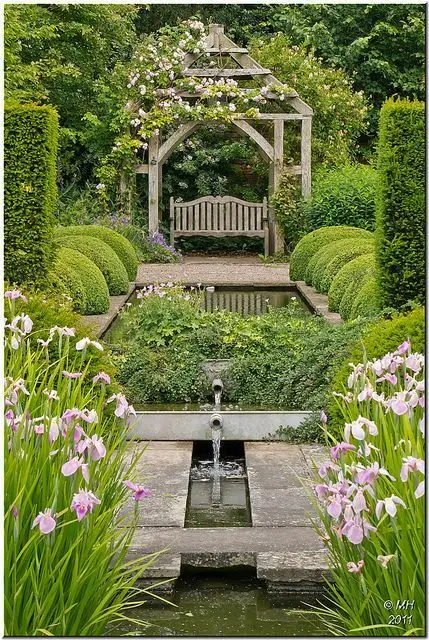
The Italian style dictates the presence of a water source: small pools, waterfalls, or fountains, around which the direction of the paths is built. In other cases, water sources are replaced with statues or other sculptures.
Read also An English-style garden – a symphony of scents and colors
The principles of Italian garden design were adopted from ancient gardens, particularly for the gardens of villas on the outskirts where the land allowed for a more extensive layout of this type of outdoor design. These principles are:
symmetry with respect to an axis of composition
The architectural organization of spaces in relation to the building;
The connection between the building and the garden through constructed decorative elements;