The Japanese garden is undoubtedly one of the most interesting types of outdoor landscaping. A garden decorated in this style is a representation, on a smaller scale, of the universe and its elements: fire in the form of lighting fixtures, earth in the form of stone, water, air, plants, and animals in their natural forms.
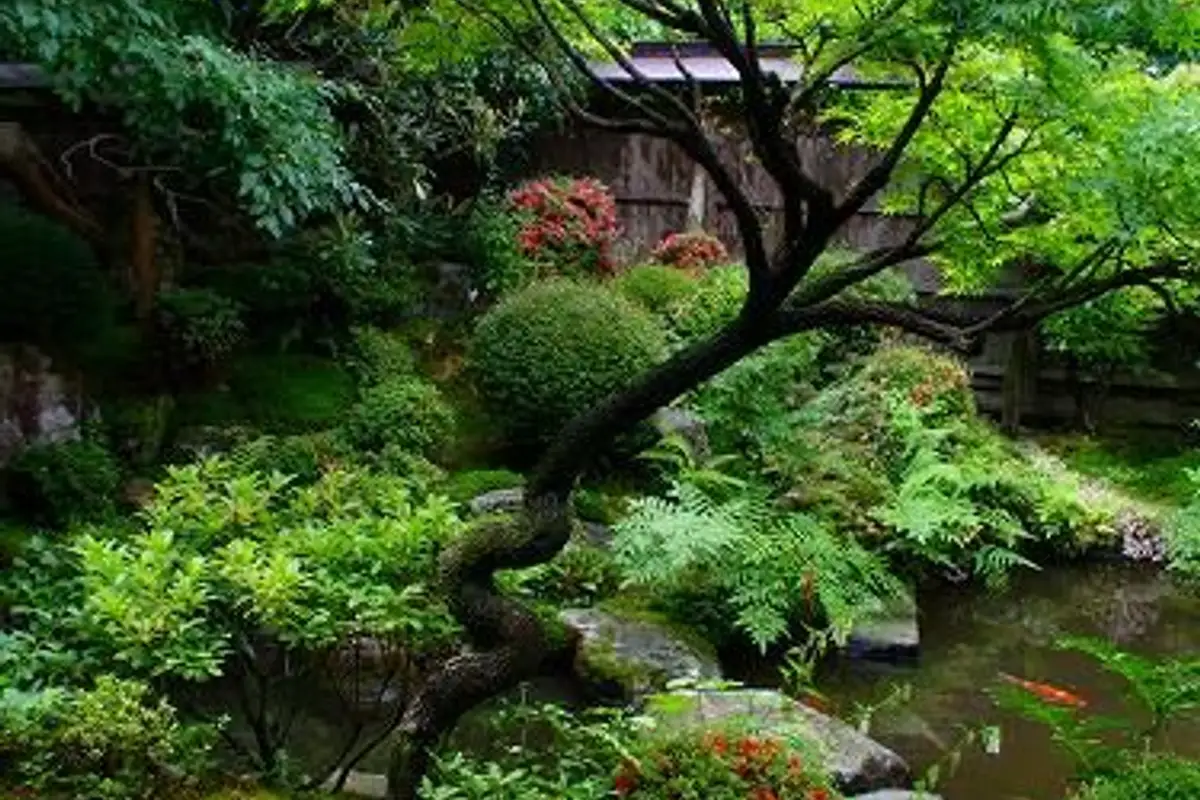
Japanese gardens are divided into two categories: dry - in which there is no source of water, and wet ones.
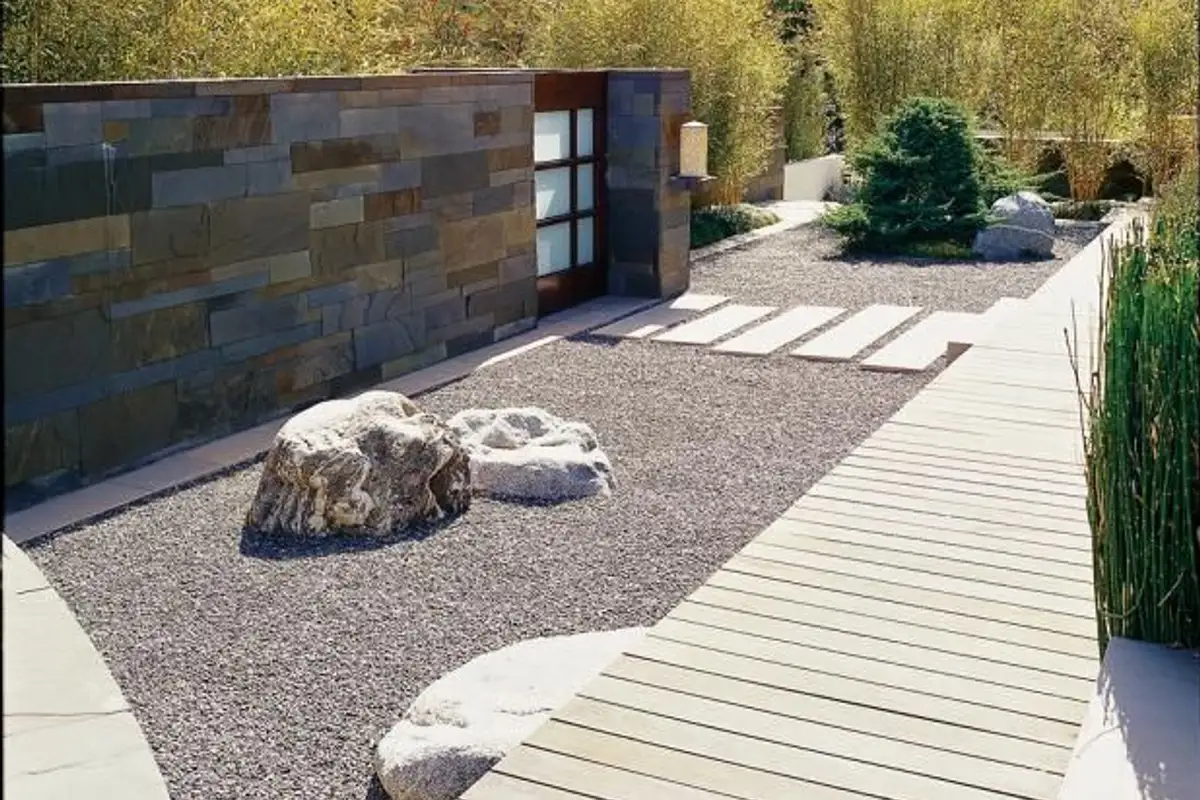
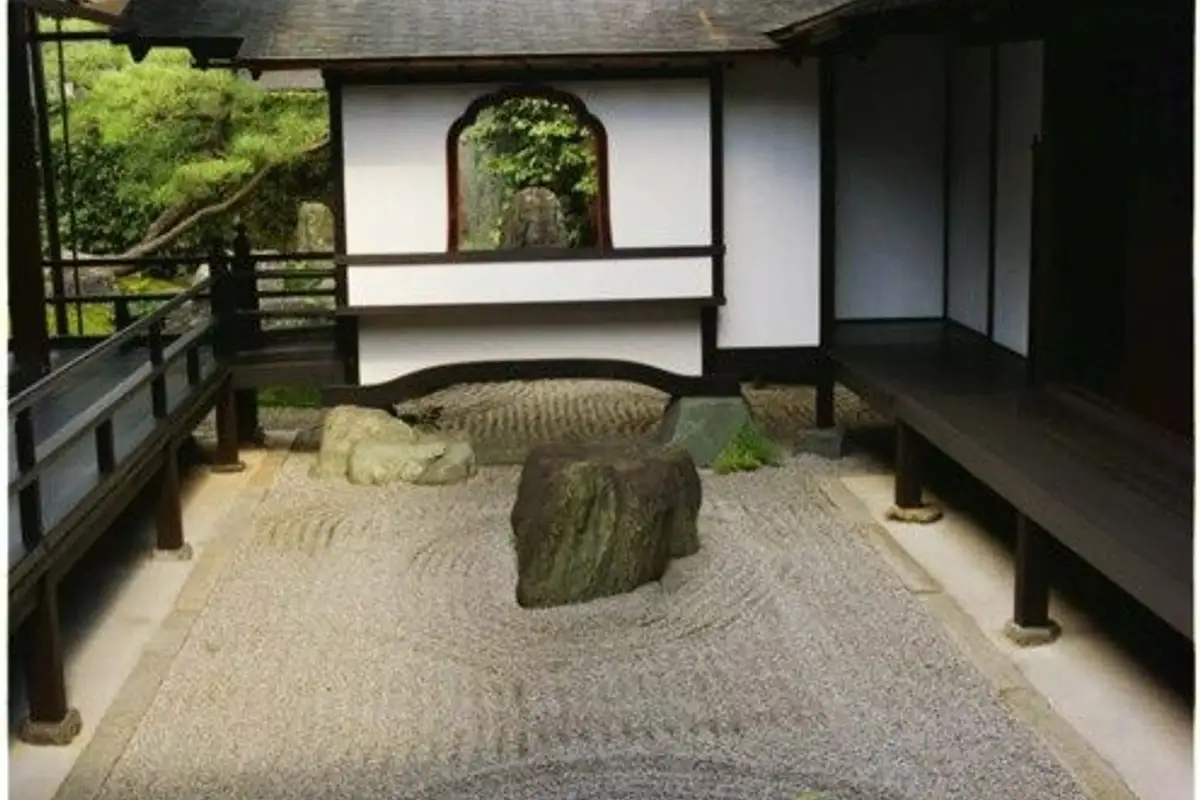
The Japanese dry garden
The Japanese garden > is the most well-known type of Japanese garden. Based on the seven Zen principles used to design gardens of this type, the dry garden contains symbolic representations of mountains and water using stone, sand, gravel, and green moss.
Over time, dry gardens of Japanese inspiration have been identified in Western culture only with the decors existing in Zen temples, decors that were created as objects of contemplation, and they were called >, says Mariana Bradescu, co-founder piatraonline.ro, from the perspective of an expert in the field.
The seven Zen principles that form the conceptual basis of a Japanese garden are
Kanso – simplicity (the expression of a design must be as simple as in nature);
Fukinsei – asymmetry (based on the principle that imperfection is part of existence, emphasis is placed on asymmetry in Japanese garden geometry).
Shibumi – the elegance of simplicity.
Shizen – nature;
Yugen – suggestion (what is not shown is more important than what is shown).
Datsoku – surprise!
Seijaku – stillness.
Mariana also mentioned, regarding this topic, that the Japanese garden does not allow for the presence of water. In this case, everything is built starting from the textures of natural stone and certain plants.