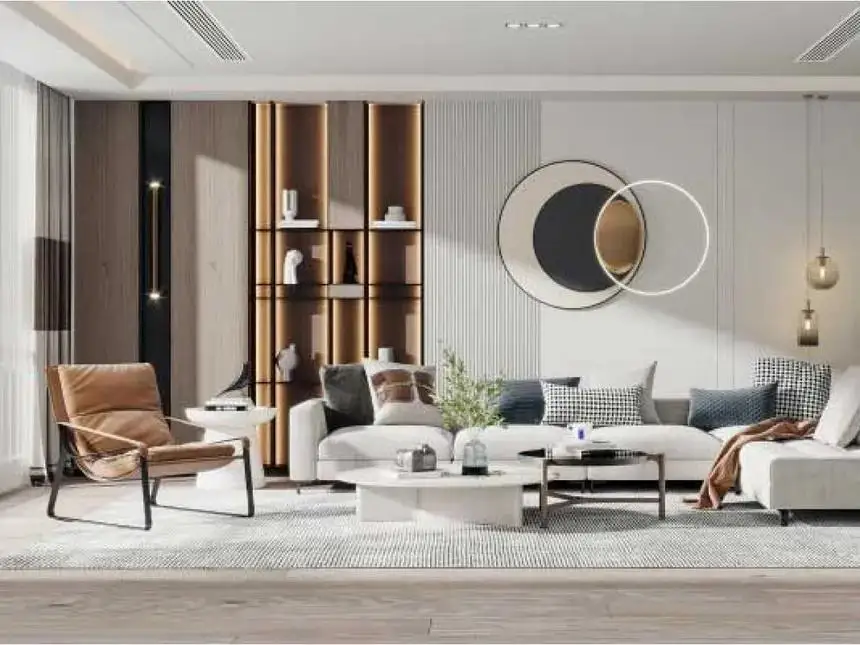
In 2024, interior design evolves to respond to increasingly diverse and sophisticated needs. Current trends reflect a harmonious fusion between aesthetics and functionality, emphasizing sustainability, integrated technology, and the creation of spaces that reflect the personality and lifestyle of each individual.
1. Sustainability and Natural Materials
Examples of integration:
Furniture made from raw or recycled wood.
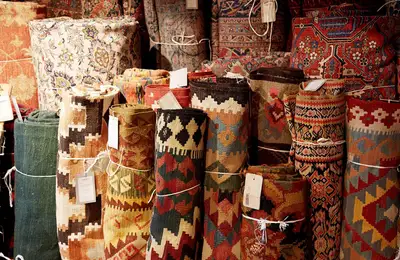
Ecological textiles for curtains, cushions, and rugs, made from natural fibers such as organic cotton or linen.
Flooring made from bamboo or cork, recognized for their durability and low environmental impact.
2. Natural Color Palettes and Bold Colors The colors of 2024 are inspired by nature but also by the desire to experiment. Color palettes include earthy tones such as beige, terracotta, moss green, and deep blue, which bring a sense of calm and connection with nature.
On the other hand, bold and saturated hues such as intense violet, coral red, and mustard yellow are used to add vibrant accents and dynamism to spaces.
Examples of integration:
Accent walls in earthy tones, complemented by furniture in bold colors.
Accessories and decorations that introduce vibrant colors into neutral spaces for a strong contrast effect.
3. Integrated Technology in Design Smart homes are becoming increasingly popular, and in 2024, integrated technology in interior design is an essential trend. This not only adds comfort and efficiency but also integrates aesthetically into the space's design, creating modern and functional homes.
Examples of integration:
Intelligent lighting that can automatically adjust based on the time of day or user preferences.
Smart devices hidden in furniture, such as wireless chargers integrated into coffee tables or invisible audio systems in walls.
Doors and windows controlled remotely through mobile applications.
4. Multifunctional and Flexible Spaces After the pandemic changed the way we use our homes, multifunctional spaces remain at the forefront. In 2024, the emphasis is on design flexibility, which allows for quick adaptation of spaces to meet the varied needs of residents.
Examples of integration: