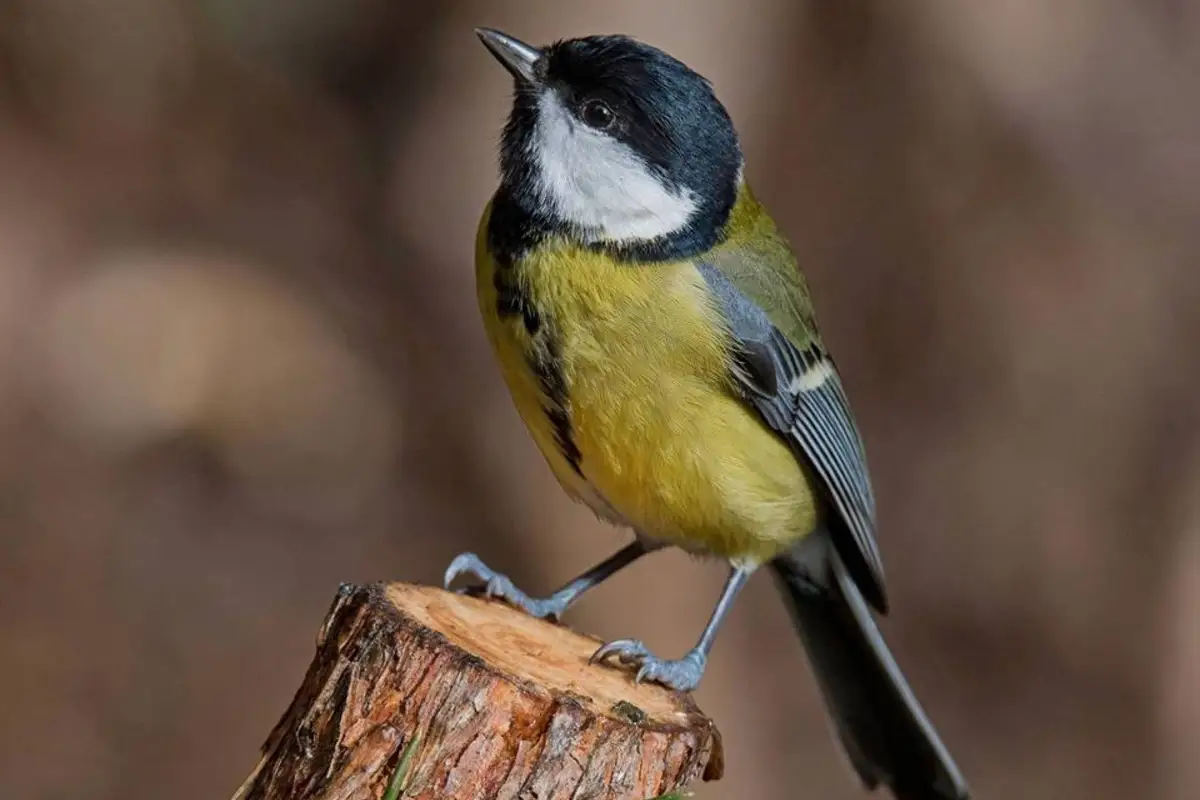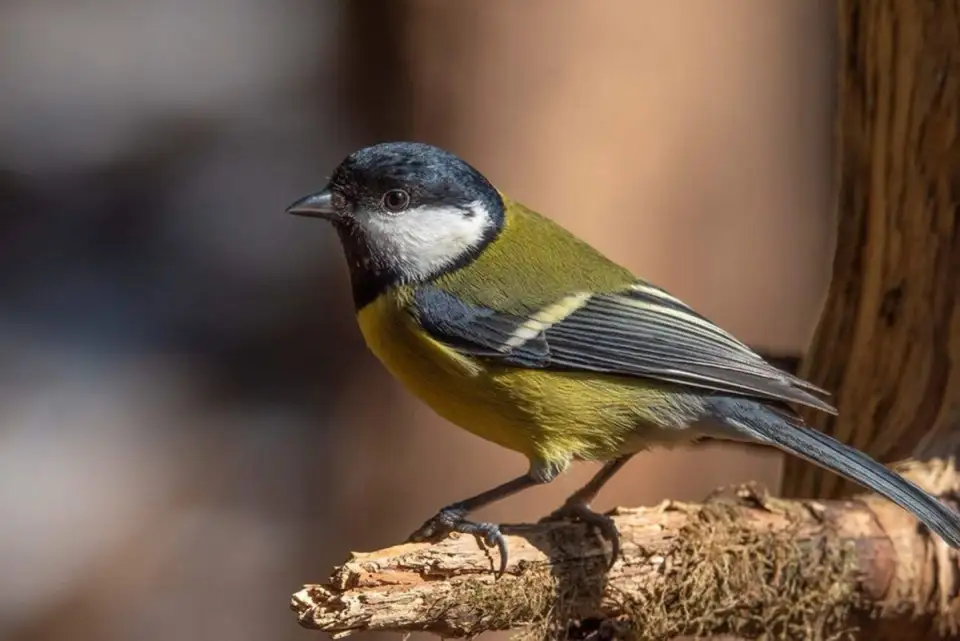
The Great Tit is one of the most cheerful and charismatic inhabitants of gardens. With its bright yellow breast slashed by a "tie" of black, white cheeks, and curious, acrobatic nature, it brings life and movement even on the gloomiest winter days.
The good news is that the tit is a sedentary bird (it doesn't migrate) and is one of the easiest to attract to feeders and artificial nests. Transforming your garden into a welcoming place for it will earn you a reliable ally in the fight against pests. Here's a complete guide to making your yard a paradise for tits.
1. The right menu for each season. The secret is to offer them the right food at the right time.
Winter (the critical season). This is when tits need our help the most. The ideal menu should be rich in fat and calories to help them get through the frosty nights.
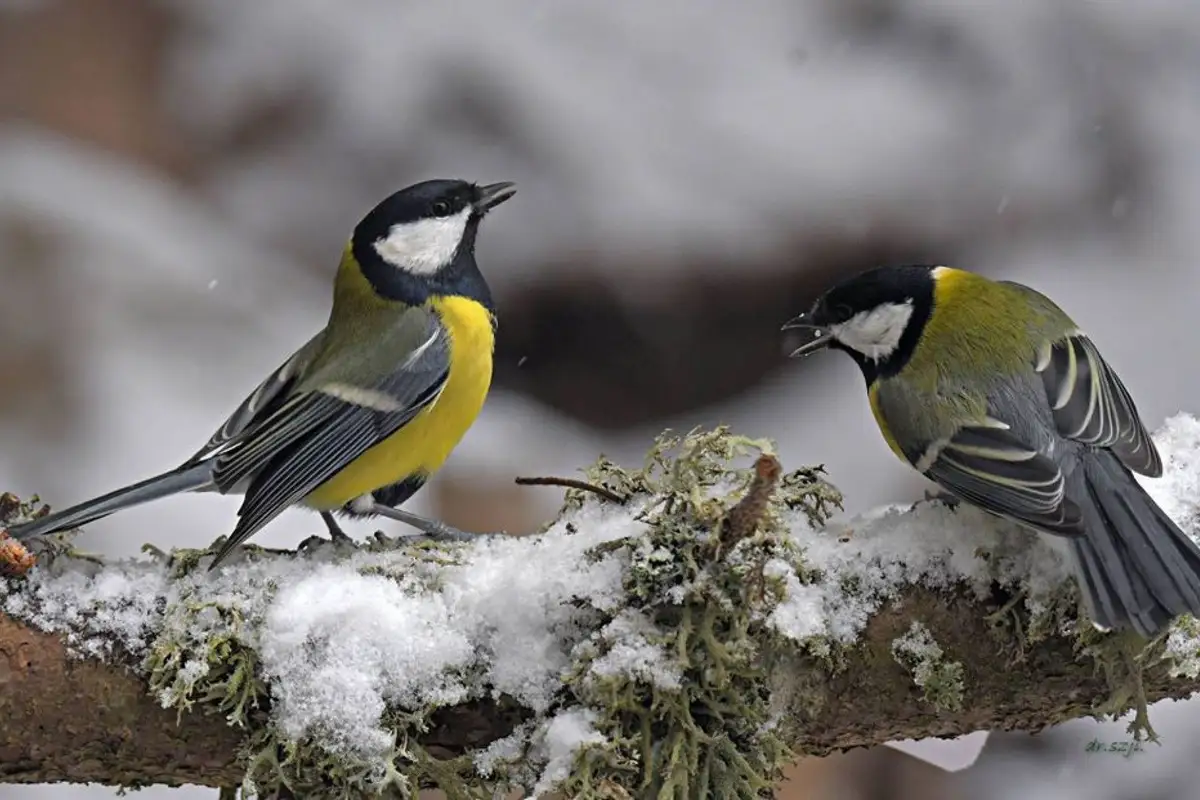
Sunflower seeds: raw, unsalted, and unroasted. They are their favorites.
Bacon, lard, or suet: Hang a piece of raw, unsalted, and unsmoked bacon on a tree. It will be a feast for them.
Peanuts and walnuts: Chopped, raw, and unsalted.
Spring and summer (breeding season). During this period, tits become insectivores. They feed their chicks with a huge amount of caterpillars, larvae, aphids, and other insects, acting as a natural pesticide for your garden. You can leave the feeders with seeds, but don't be surprised if they are visited less often.
The biggest help you can offer now is to avoid using chemical insecticides.
2. Ideal feeders and their placement
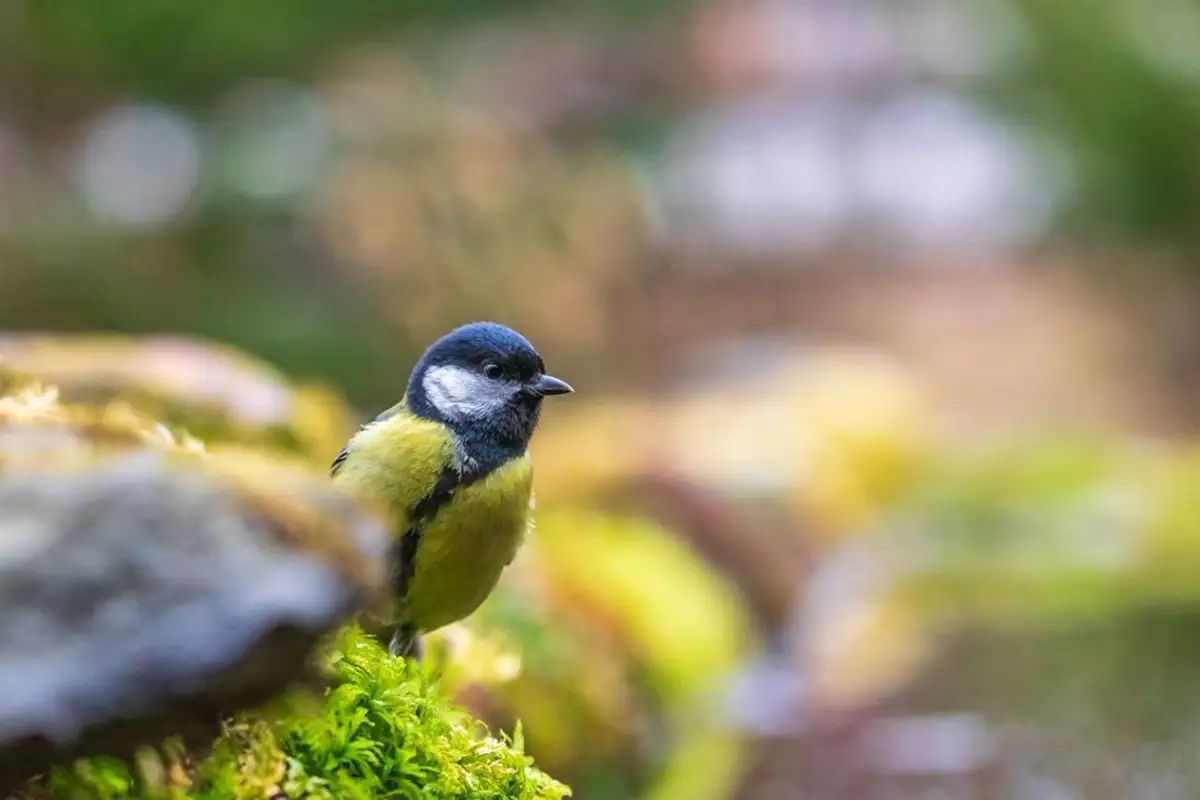
The way you offer food is just as important as the food itself.
Types of feeders. The best are "tube" type feeders for seeds, which protect them from rain and snow, or "cage" type metal ones, perfect for pieces of lard or bacon.