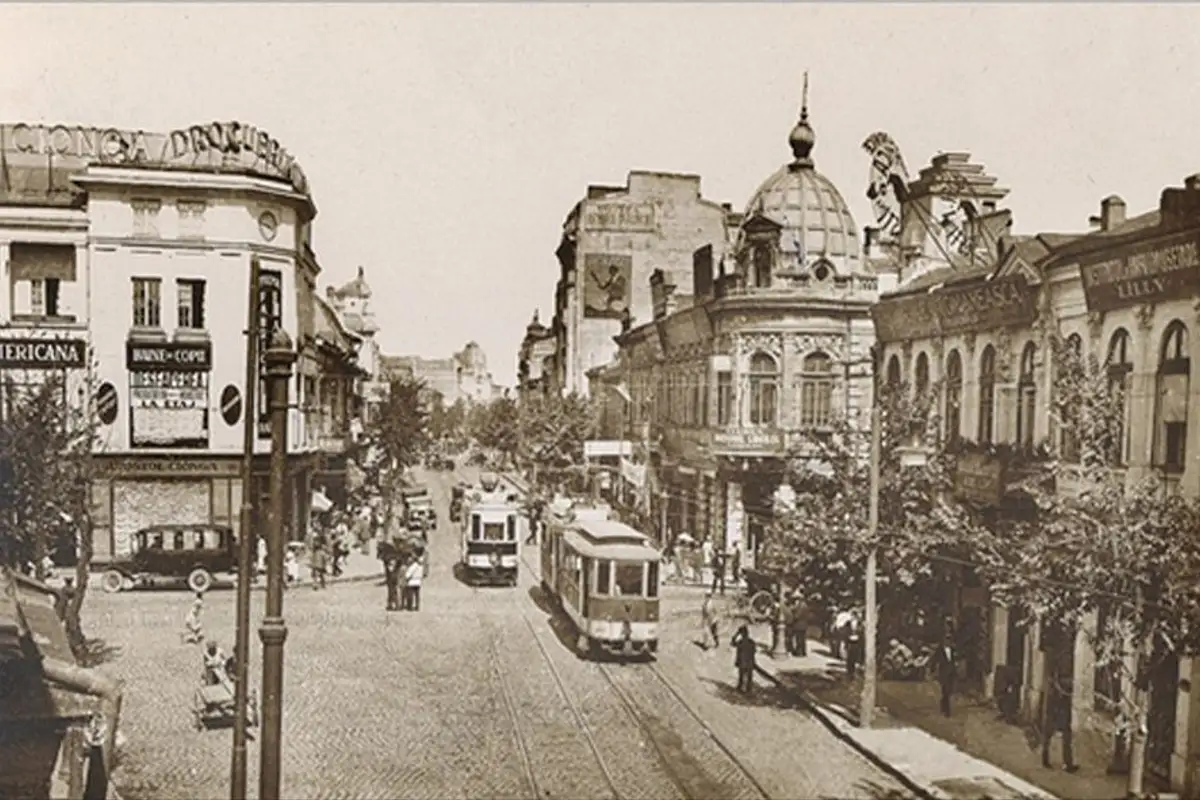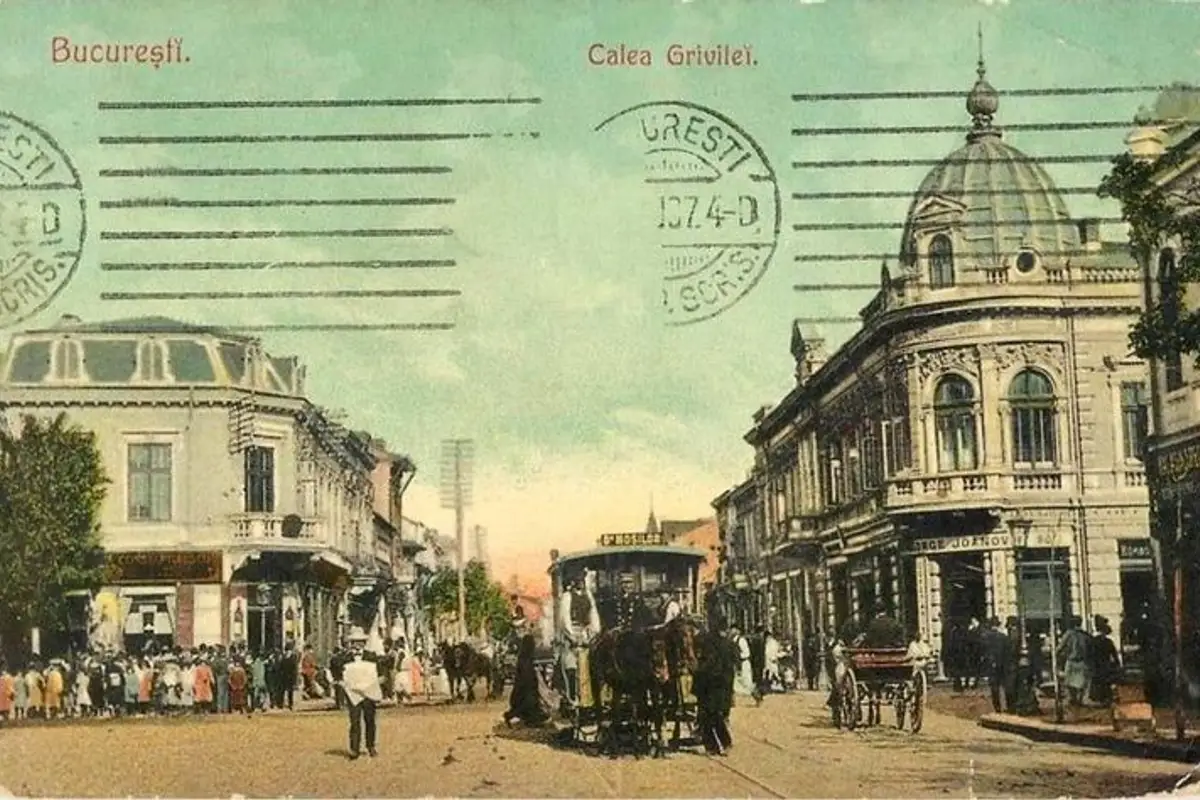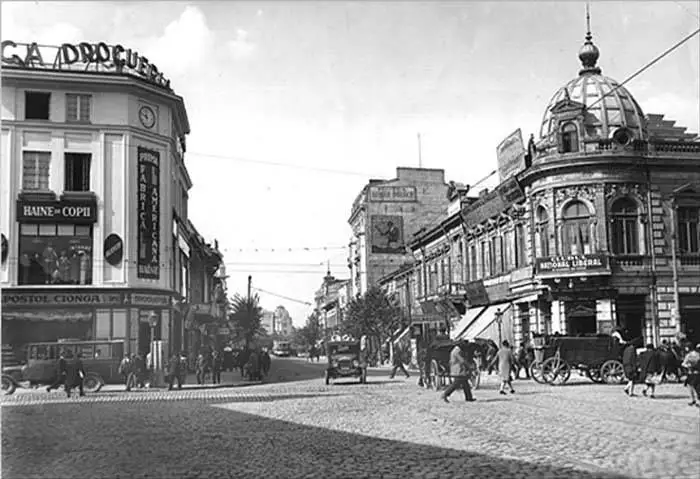
The city of Bucharest, in times past, was divided into several neighborhoods, which spread across its entire surface. These neighborhoods received their names for various reasons.
Some were named after the churches around which they formed, others received their names because of the occupations of the people who inhabited them, and still others received their names because of certain characters who lived there, or because of taverns or inns where travelers stopped.
The number of neighborhoods was 78 during the reign of Alexandru Ghica Voda, at the beginning of the regulatory reigns, and 92 in 1871, as recorded by Dimitrie Pappasoglu in his brochure on the history of the city.
Thus, there were several neighborhoods with rather unusual names or which sparked amusement through the names given to them by the city's inhabitants.
There was once a neighborhood called Bate Peste (Beats Fish), named after a tavern keeper who kept live fish in his establishment, which he caught and cooked according to his customers' wishes. The tavern "Bate Peste" was located at the end of Serban Voda Street, in the Filaret area, near the Gas Factory during the interwar period.
Another neighborhood was Falca Prajita (Roasted Cheek), named after a tavern keeper who had a large birthmark on his face. He had his house and shop in the Otetari neighborhood. The Otetari neighborhood was named after the trees of the same name, which spread their scent everywhere.
There was also Stan Taranu‘s neighborhood – at the intersection of Calea Grivitei and Buzesti Street.
There were also Tirchilestilor and Jarceletilor neighborhoods, famous for being home to the biggest brawlers of the time, who always showed up whenever there was an election campaign.
Within the boundaries of Bucharest, there was also a certain neighborhood called Zece Mese (Ten Tables), named after the tables that stood in front of a café called Cafeneaua Galbena, which was located in the Iancului-Obor area.
Another interesting neighborhood was Salcia Traznita (Twisted Willow), located on Buzestilor Street.
People from all walks of life lived in these neighborhoods, from beggars and needy people to the wealthiest boyars. These neighborhoods, along with the others, more well-known ones, would overlap each other and eventually form larger neighborhoods, which in turn would transform into the districts we all know today.
The Tirchilesti Neighborhood, Bucharest's "tough" center in the 19th century
Just as it happens today, in 19th-century Bucharest there was a center known for its toughness, with a not-so-good reputation that residents avoided visiting too often. This center was the Tirchilesti neighborhood.
An example of this neighborhood's status is also found in the definition from the Romanian language dictionary compiled by Lazar Saineanu (1929 edition), which states: Tirchilesti pl. the name of a neighborhood in Bucharest, the center of toughness.