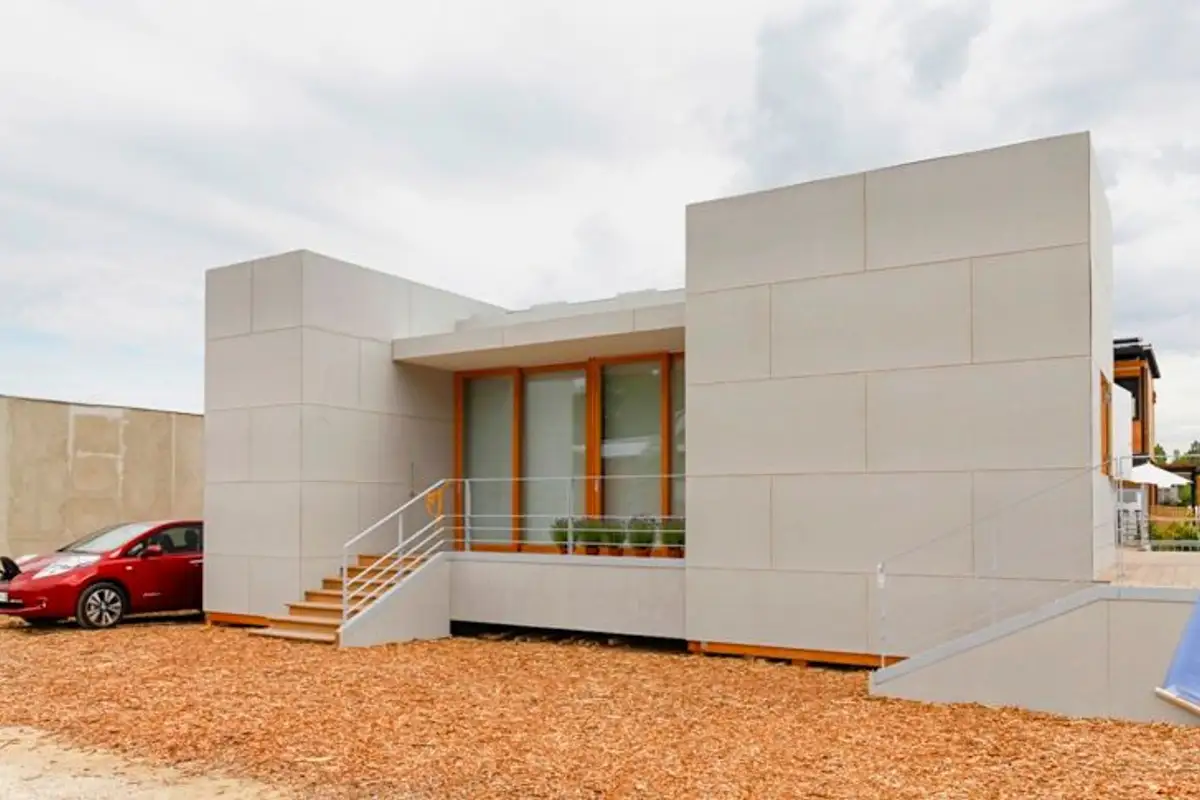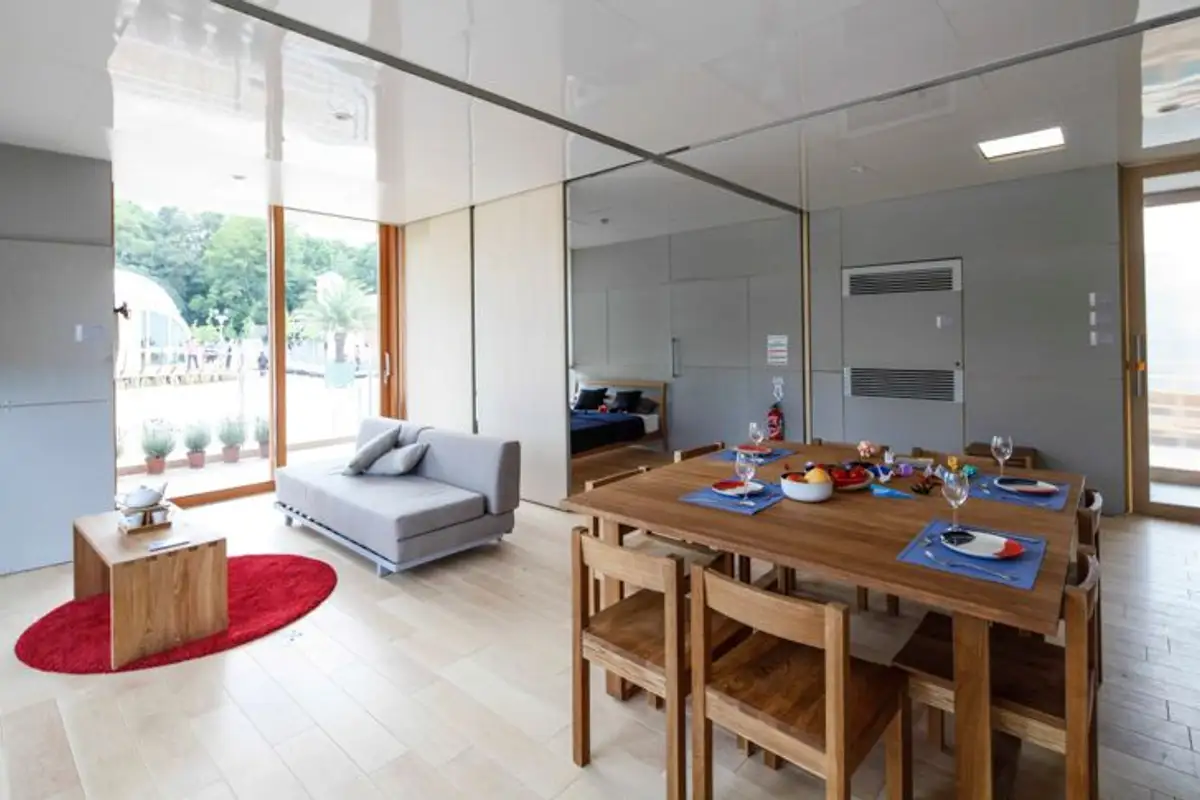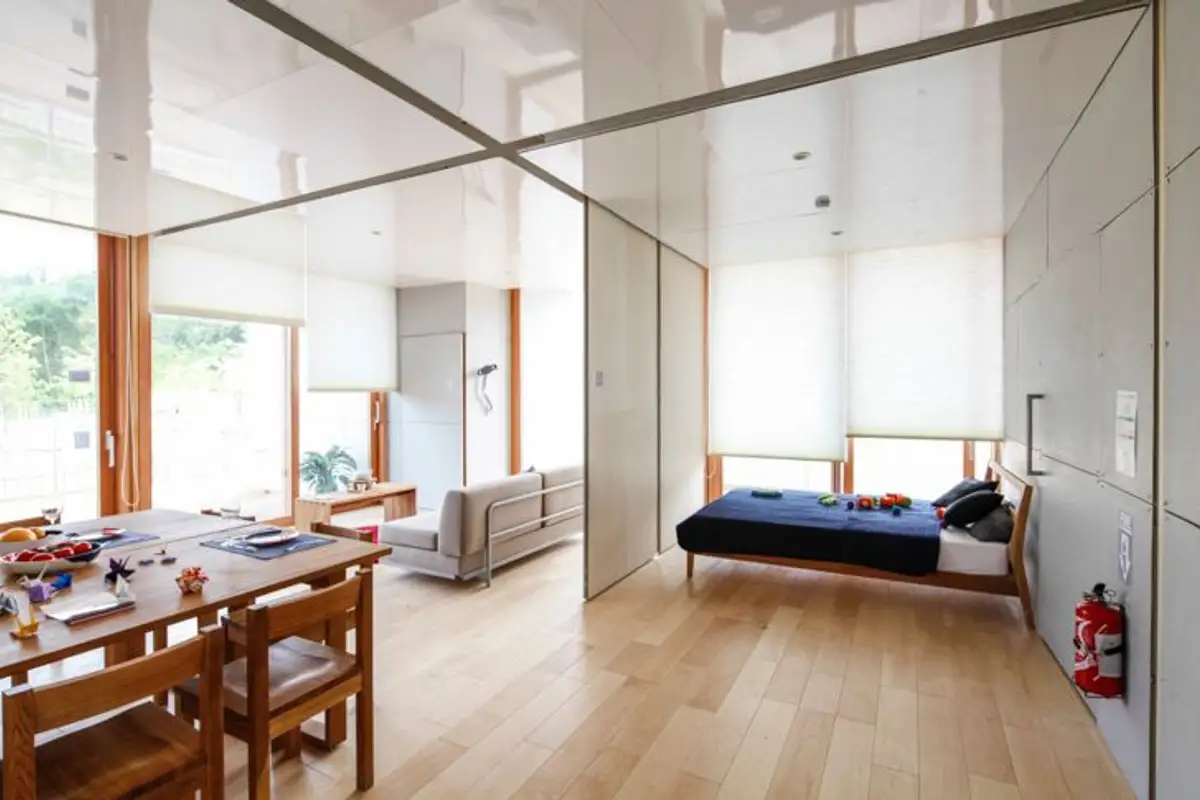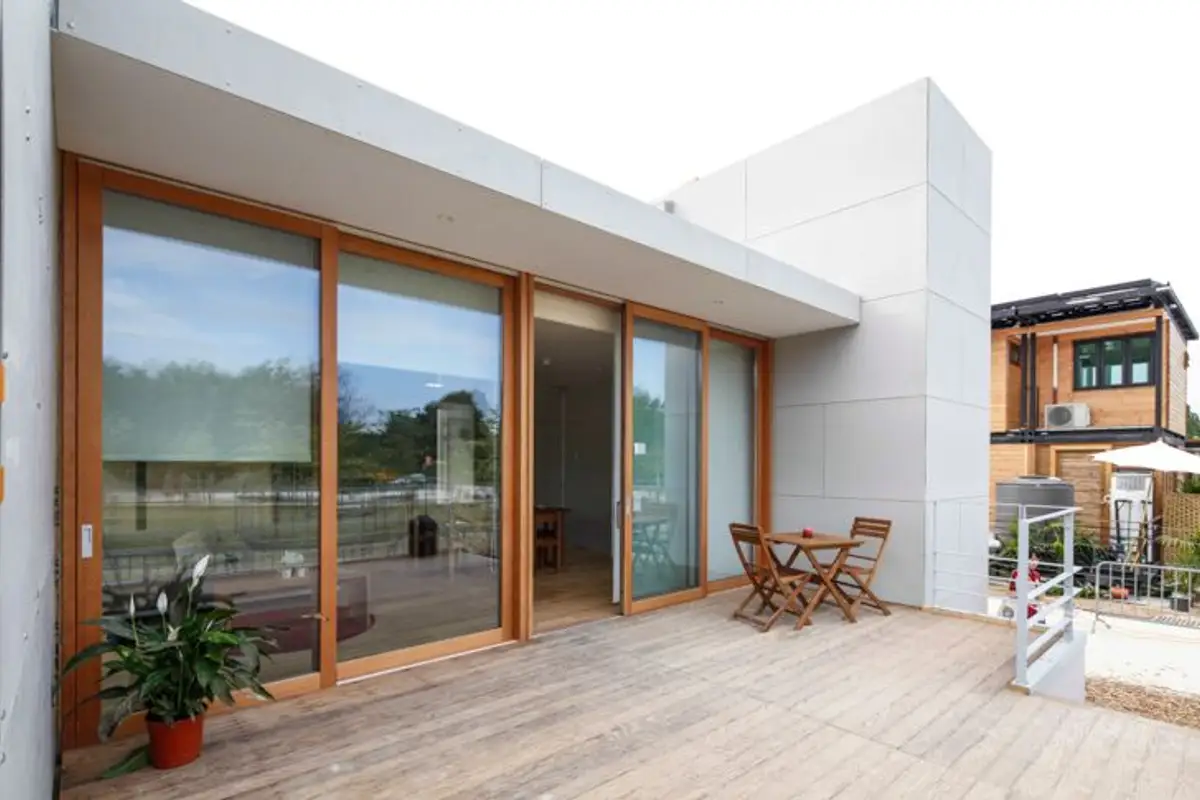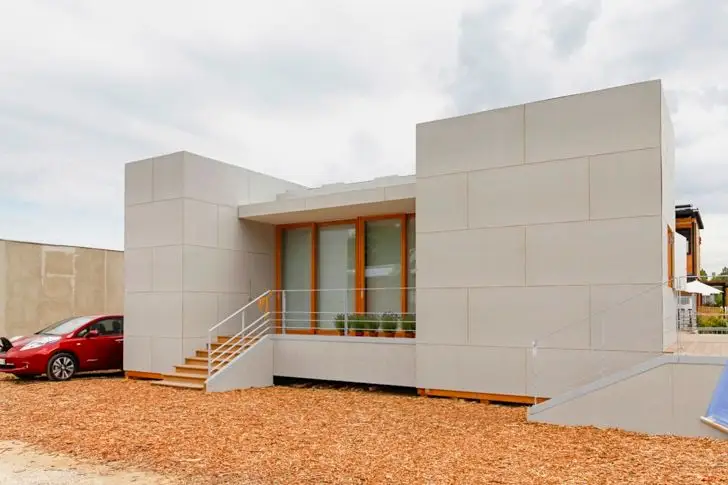
The Renai House, created by the University of Chiba, was designed to address the problem of natural disasters in urban areas like those affected by the 2011 Tohoku-Oki earthquake. The Renai House has a long-term post-disaster design.
Instead of creating a temporary post-disaster building, students from the University of Chiba developed a concept of "urban seeds" that would help rebuild sustainable cities from scratch.
Deeply affected by the Tohoku-Oki earthquake which devastated northeastern Japan in March 2011, students from the University of Chiba focused on creating post-disaster architecture for their project for Solar Decathlon Europe 2014. Their concept was based on studies conducted on the city of Rikuzentakata, one of the cities most affected by the earthquake.
Each energy-efficient prefabricated module can be easily and flexibly combined with others to create a long-term home and sustainable communities for affected areas.
The designers focused on three ideas to make the "urban seed" foundation: speed, flexibility, and dignity. Each prefabricated wooden house can be quickly built at the nearest factory and shipped to the disaster-stricken area.
Once the house is placed in the desired location, refugees can personalize their home to accommodate families of various sizes or clinics and offices. The Renai House can help restore some dignity and community for disaster victims with a design that facilitates social networks and communal spaces. Over time, temporary elements can be replaced with more robust furniture.
Considering climatic differences, the Renai House can be easily modified according to location. For example, if placed in Southeast Asia, the roof can be replaced with locally sourced bamboo for better ventilation.
Using efficient insulation, natural materials, and solar panels, each Renai House can reduce energy consumption by 80% compared to conventional Japanese homes.
Photo source: inhabitat.com