The weather outside tells us that it's the perfect time to spruce up your yard or garden. No matter how complex you envision your landscaping project to be, the ideas we've gathered for you below will be helpful at any stage of the process.
Before starting any type of landscaping, consider the dimensions you have available, the location of your yard or garden, and existing vegetation. Based on these details, you can choose a specific type of plant and select furniture that suits your needs.
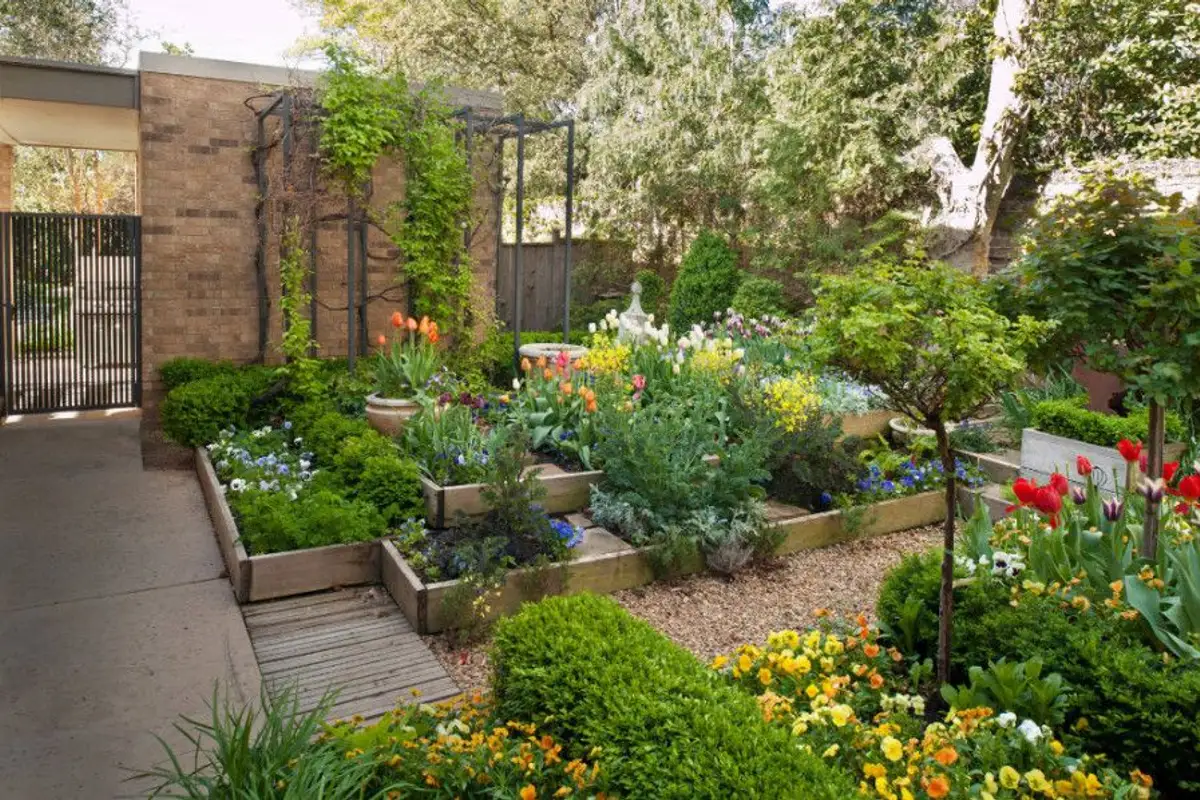
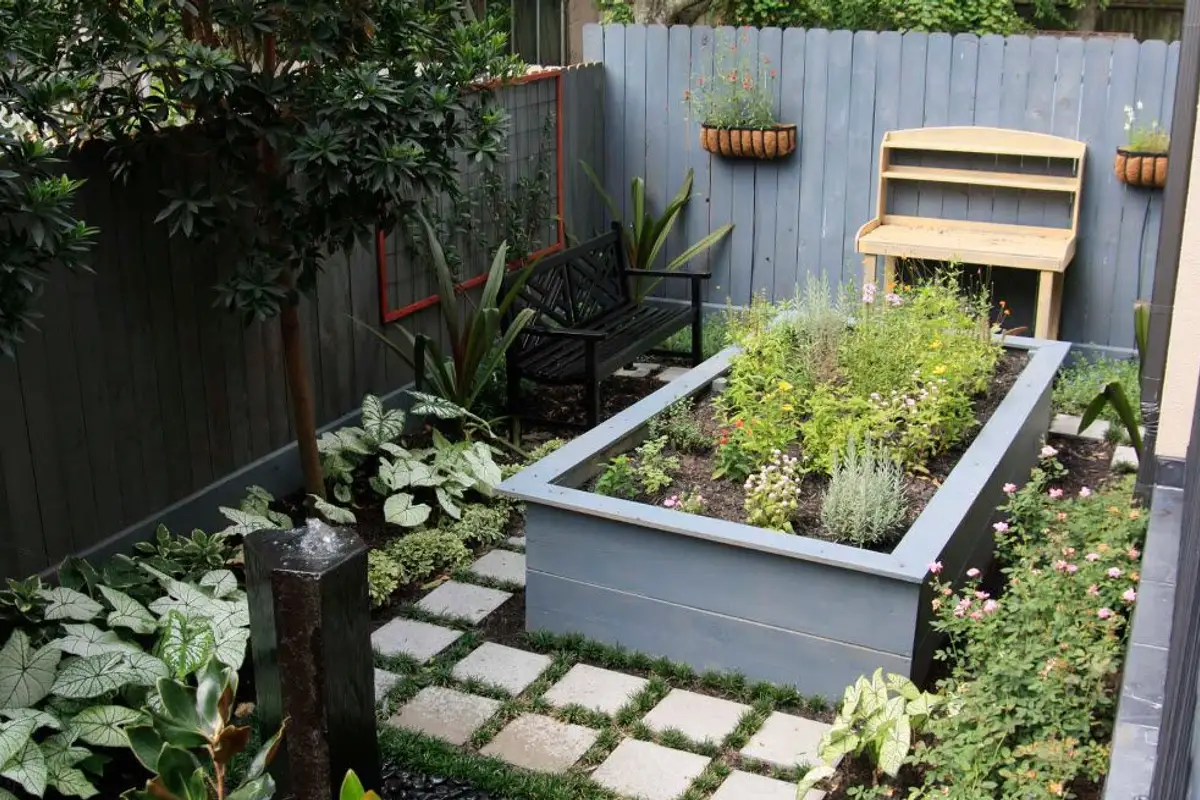
In the case of a garden with a reduced area, use each square meter carefully. You can place vertical planters or floral arrangements using a pergola or wooden support.
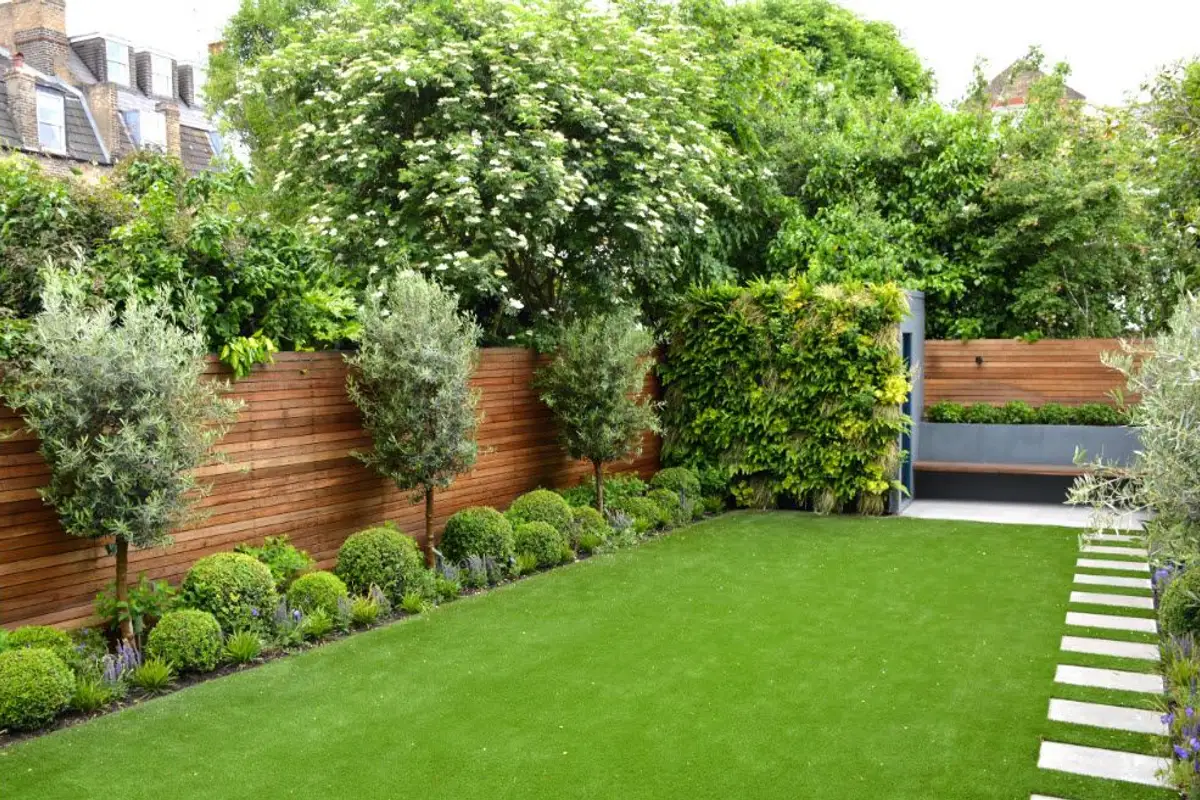
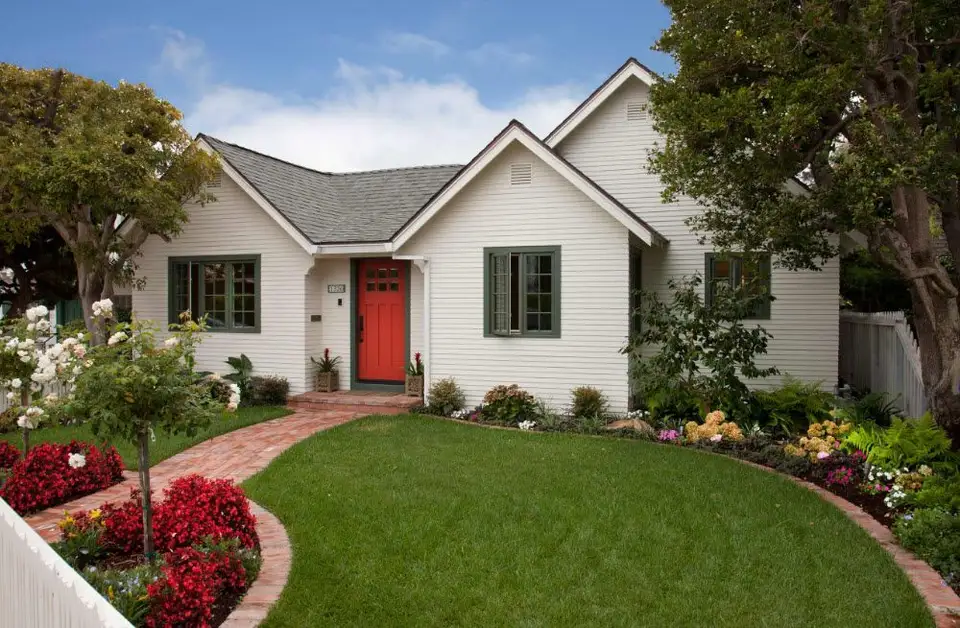
You will create a sense of more greenery if you plant grass throughout your yard. Make sure to choose the right type of grass and maintain it regularly for optimal results. If lawn care isn't your favorite weekend activity, opt for natural stone paths. In addition to their practical role, paths contribute to the aesthetics of your garden landscaping.
Here, you are the one who decides: large slabs with irregular shapes or symmetrical slabs to create an ordered, geometric pavement. You can also combine pieces of wood with gravel to recreate a more rustic style.
Slabs can help you arrange paths, but they can also be used to build paths that delimit the spaces in your garden. Place decorative gravel between the slabs, plants along them, and grass between them to liven them up.
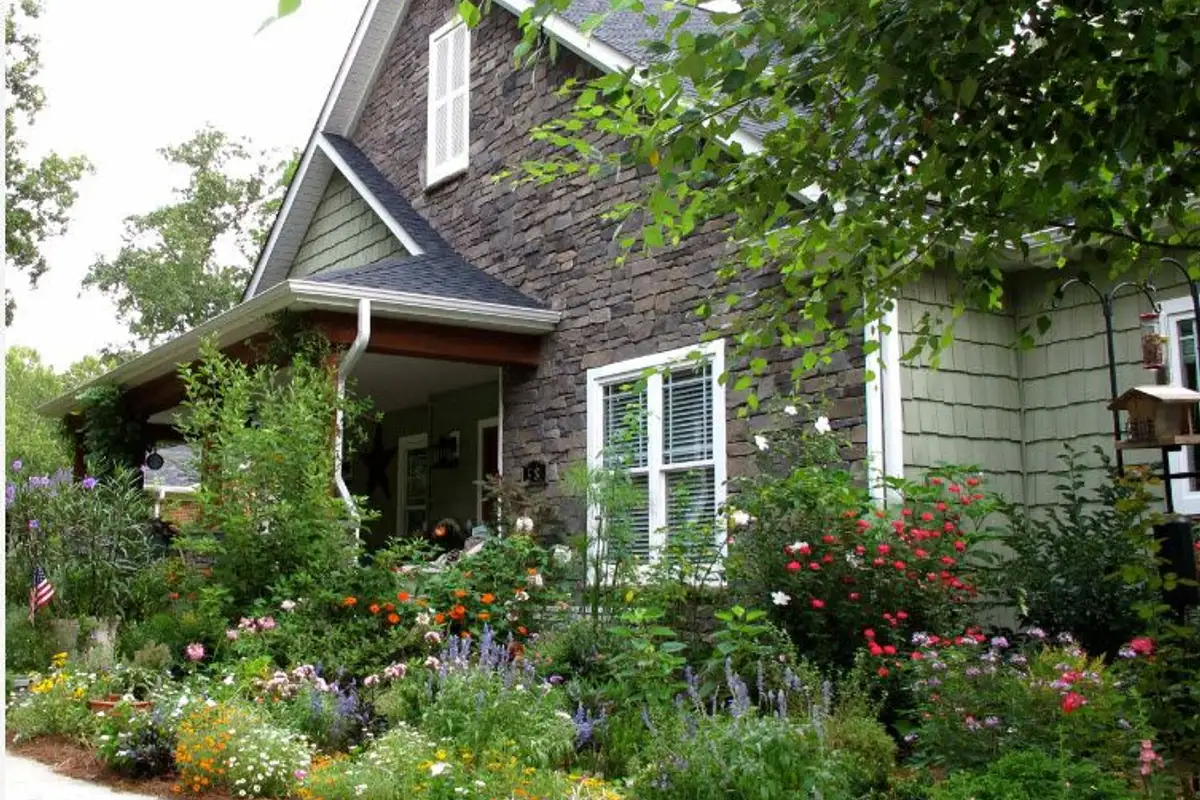
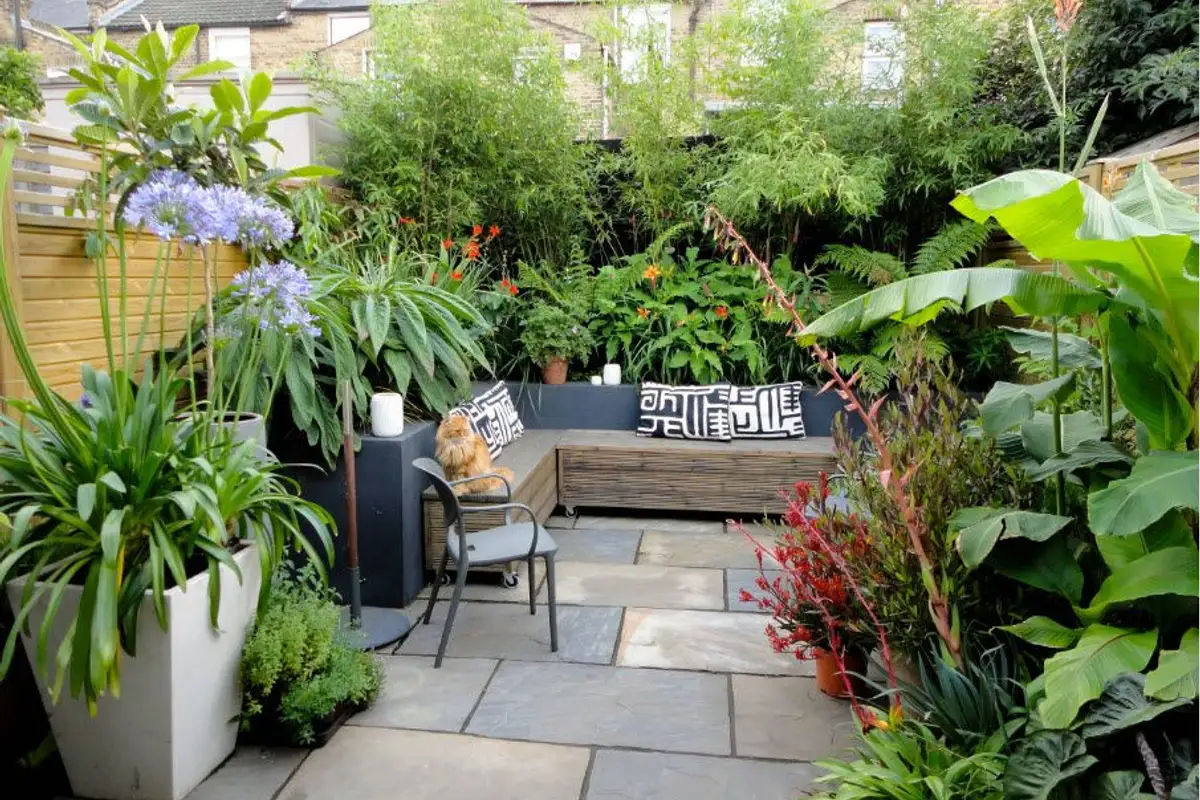
One of the best ideas for landscaping your yard is to choose plants with many flowers and plenty of greenery, but that don't take up too much space - small trees, shrubs, and flowers that don't need a lot of room to grow.
Using fast-growing plants, such as ivy or wisteria, extends the green frame around your garden or yard and gradually you will develop your own green oasis. Very important! Consult with specialists in the field to choose the right plants and shrubs for our climate or that can adapt under optimal conditions.