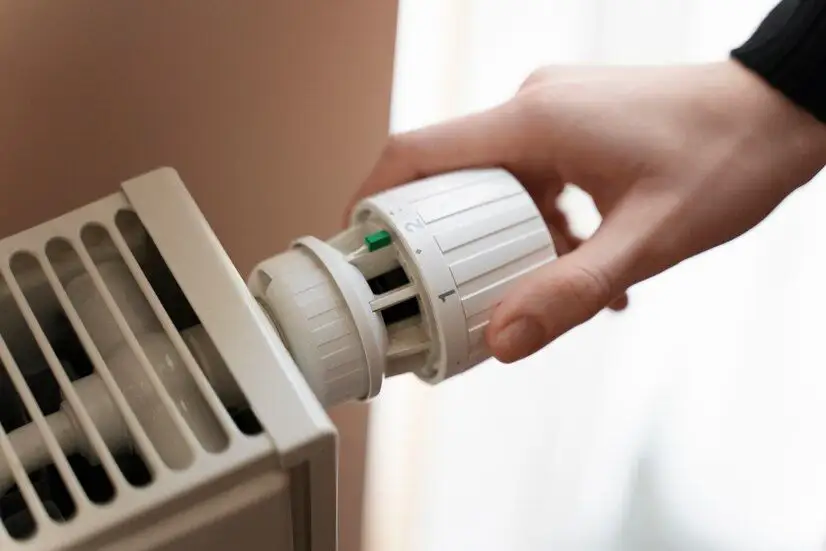
Heat cost allocators are devices used to measure individual thermal energy consumption in a home inhabited by a family with multiple members. They play an important role in efficient heat management and ensuring appropriate thermal comfort. There are several types of heat cost allocators, and the right choice depends on various factors.
Here are some common types of allocators and factors to consider when choosing them:
They work based on a valve that opens and closes depending on the room temperature.
They are less accurate than electronic allocators.
Electronic Allocators:
They use electronic sensors to measure the temperature in the room and regulate the water flow to the radiator.
They are more accurate and offer better heat consumption management.
Radio-Controlled Allocators:
They allow remote control of electronic allocators through a control panel or mobile application.
Ultrasonic Allocators:
They use ultrasound to measure the temperature of the water circulating through the radiator.
They are more accurate and have a faster response time.
Wired or Wireless Allocators:
Wired allocators are connected to the heating system via a cable, while wireless allocators communicate wirelessly.