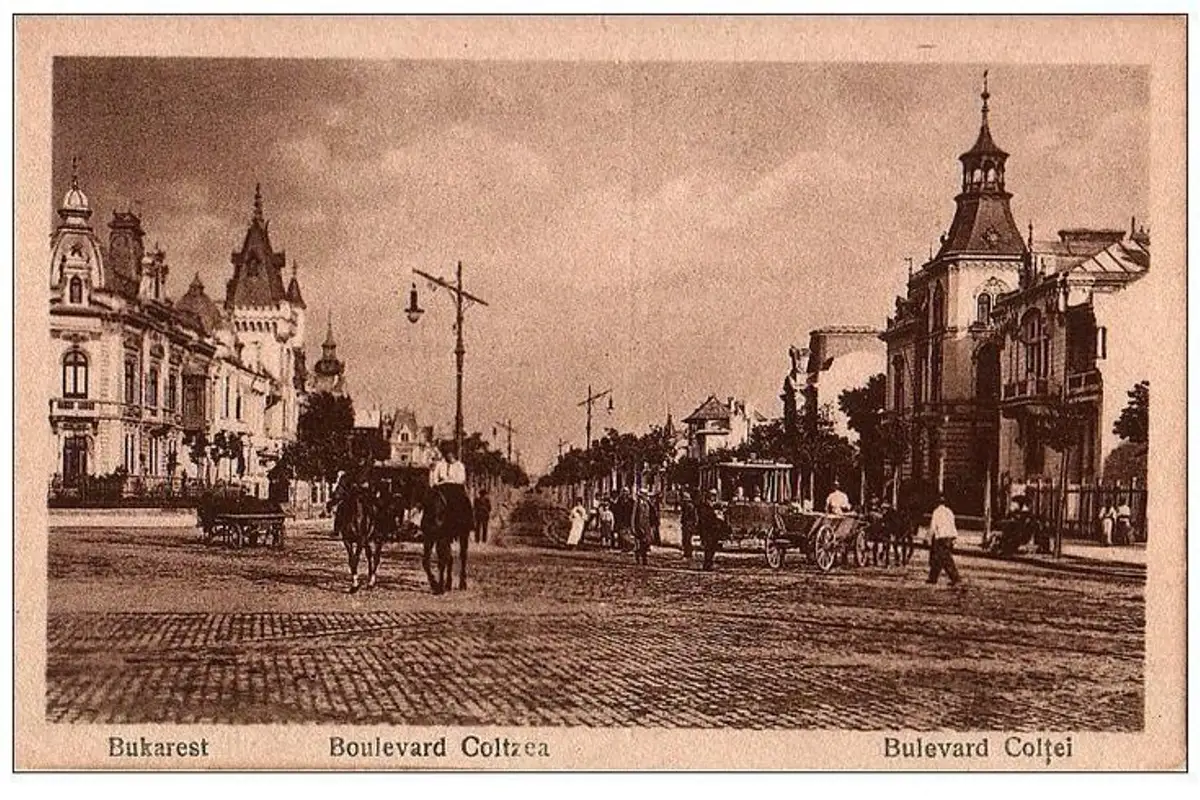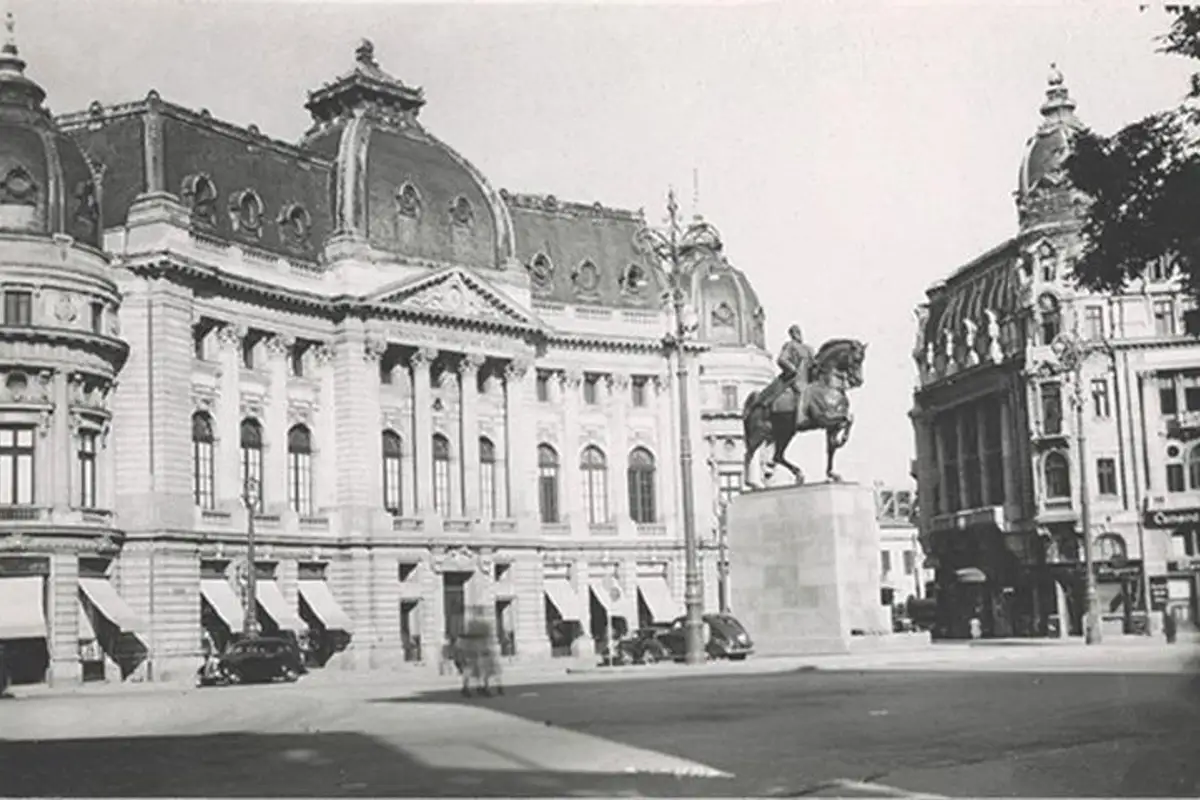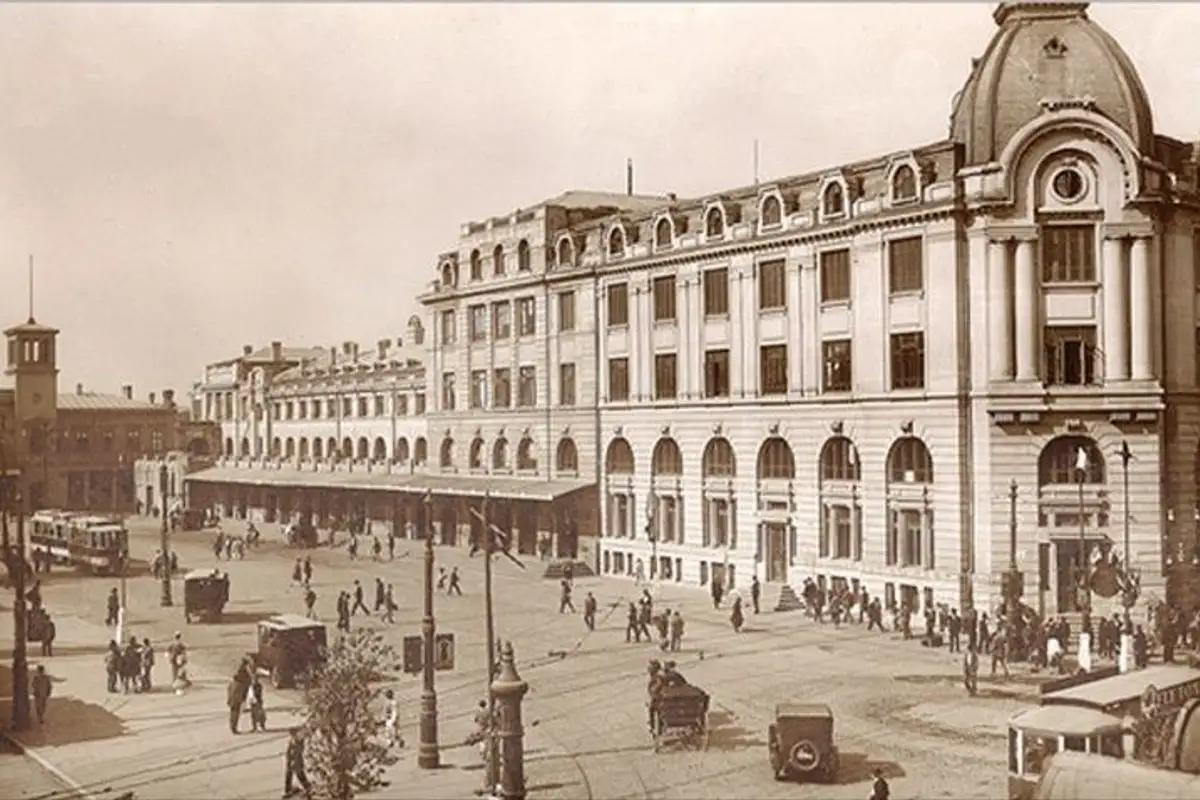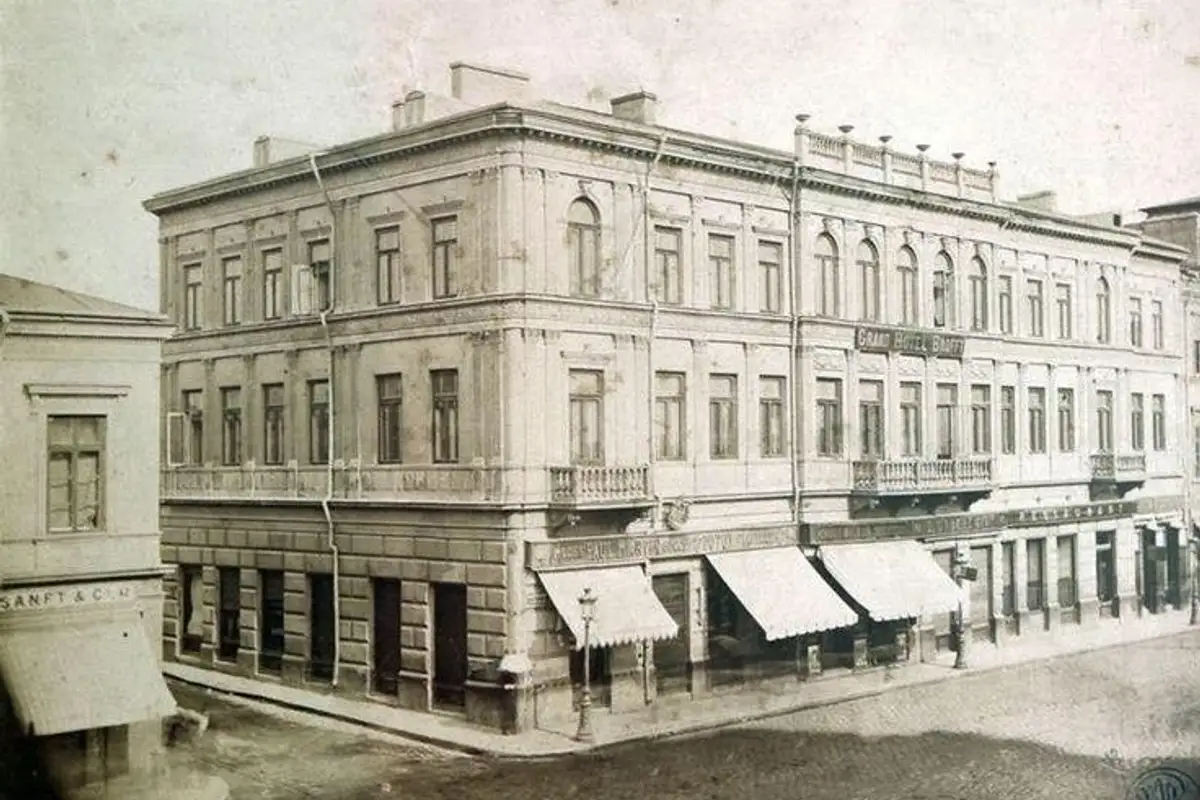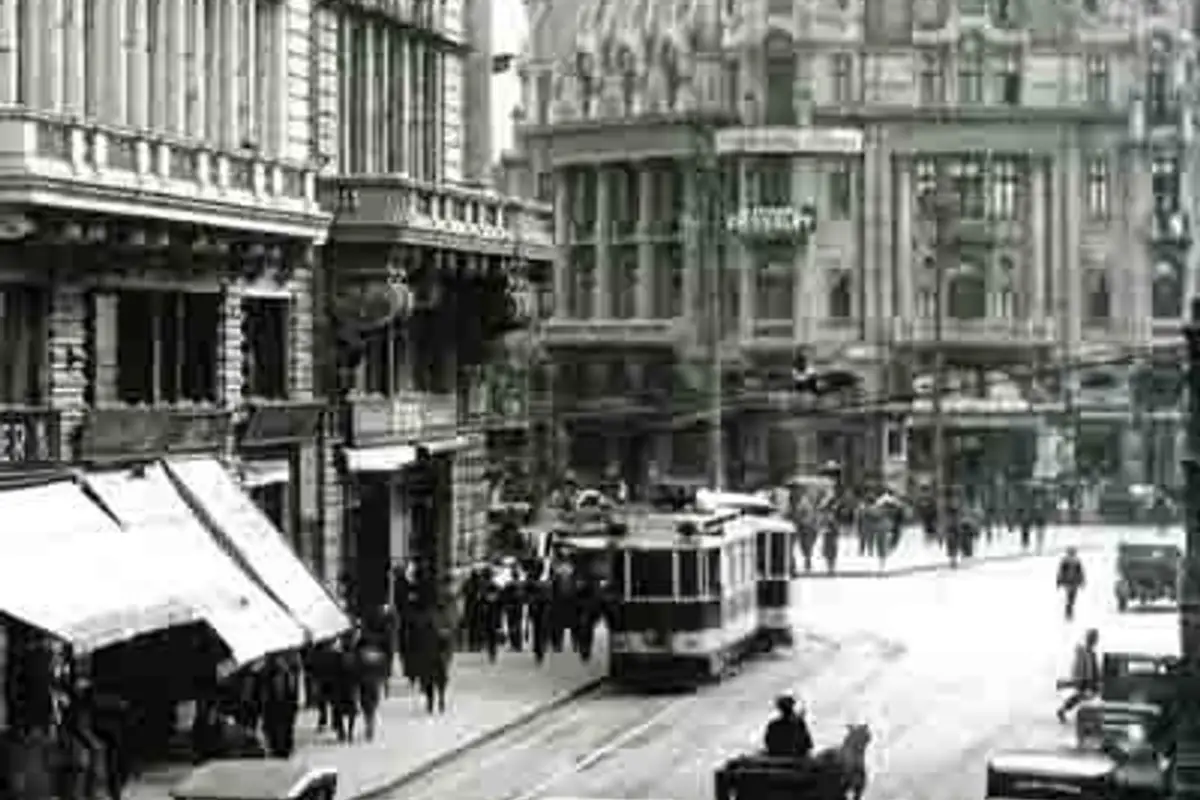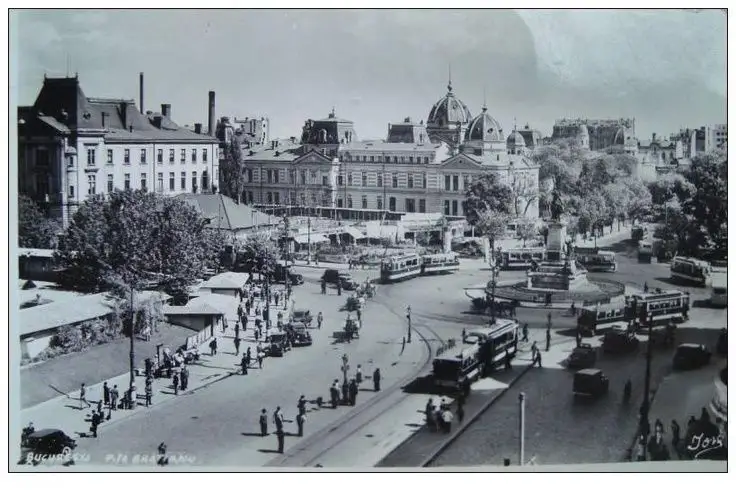
The beginning of the communist regime in Romania at the start of 1948 did not only signify a change of regime and policy in our country. It also meant a drastic ideological and social shift, which was reflected in Bucharest's urban planning and its appearance.
As the nation's capital, Bucharest was undergoing some of the most drastic changes ever seen in the city's history.
Thus, Bucharest, although it is beginning to develop a stronger industrial side and grow, is losing some of its old values as the communist regime attempts to impose its own, largely inspired by the Soviet model.
A major administrative reorganization took place in the city. The old sectors, organized by color (there were four: Blue, Black, Green, Yellow) were replaced with eight districts: 1 - District 30 Decembrie, 2 - District 1 Mai, 3 - District 23 August, 4 - District Tudor Vladimirescu, 5 - District Nicolae Balcescu, 6 - District V.I.
Lenin, 7 – District 16 February, 8 – District Grivita Rosie. All these names referred to different personalities and important dates in the history of the socialist movement in our country. An exception is made by Tudor Vladimirescu and Nicolae Balcescu, the first leader of the 1821 Revolution, and the second a participant in the 1848 Revolution.
Read also Urban Legends: How Bucharest Came to Be
However, they were considered progressive people and represented the fight against bourgeois-landowning class, the working class's fiercest enemy, at least in the eyes of the regime's official ideologues. February 16th, for example, was the day when, in 1933, a group of communist workers from Atelierele CFR Grivita triggered a general strike, which ended with the arrest and imprisonment of those responsible.
The myth of the Grivita strike was the one on which Gheorghe Gheorghiu-Dej built his image as an undisputed communist leader.
It is unnecessary to say that many other places in Bucharest have changed their names, and this is perhaps the greatest transformation within the city until the beginning of the construction of new working-class neighborhoods and, later, the destructions caused by the Nicolae Ceaușescu regime.
Other representative names from this period include: the current Charles de Gaulle market, which was called I.V. Stalin Square until the mid-1950s, just like Herastrau Park, which was named "I.V. Stalin" Culture and Recreation Park; St.
Gheorghe was renamed Piata 1848; Bulevardul Elisabeta was called Bulevardul 6 Martie during that period (later becoming Bulevardul Gheorghe Gheorghiu Dej, a reference to the day the first pro-communist government was established – March 6, 1945); Uzinele Malaxa became Uzinele 23 August; even the University was renamed Universitatea "C. I.
Parhon (endocrinologist physician, member of the Presidium of the Great National Assembly).