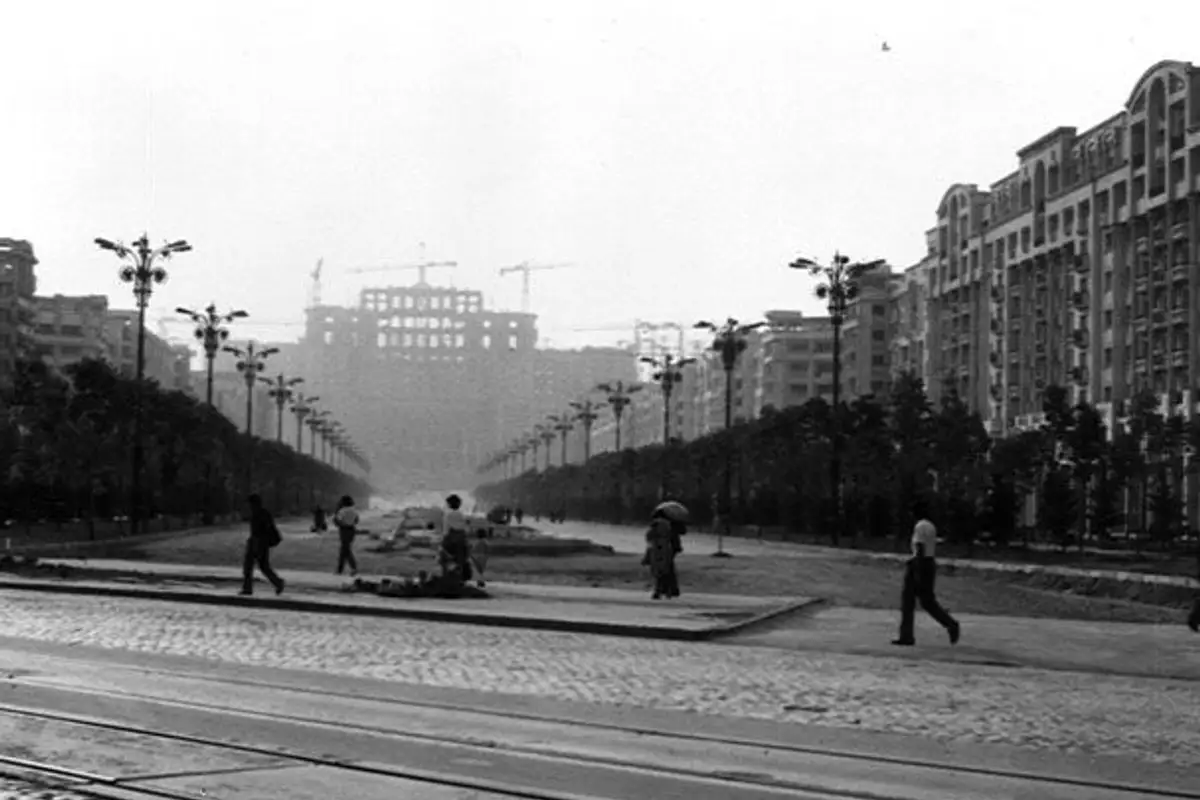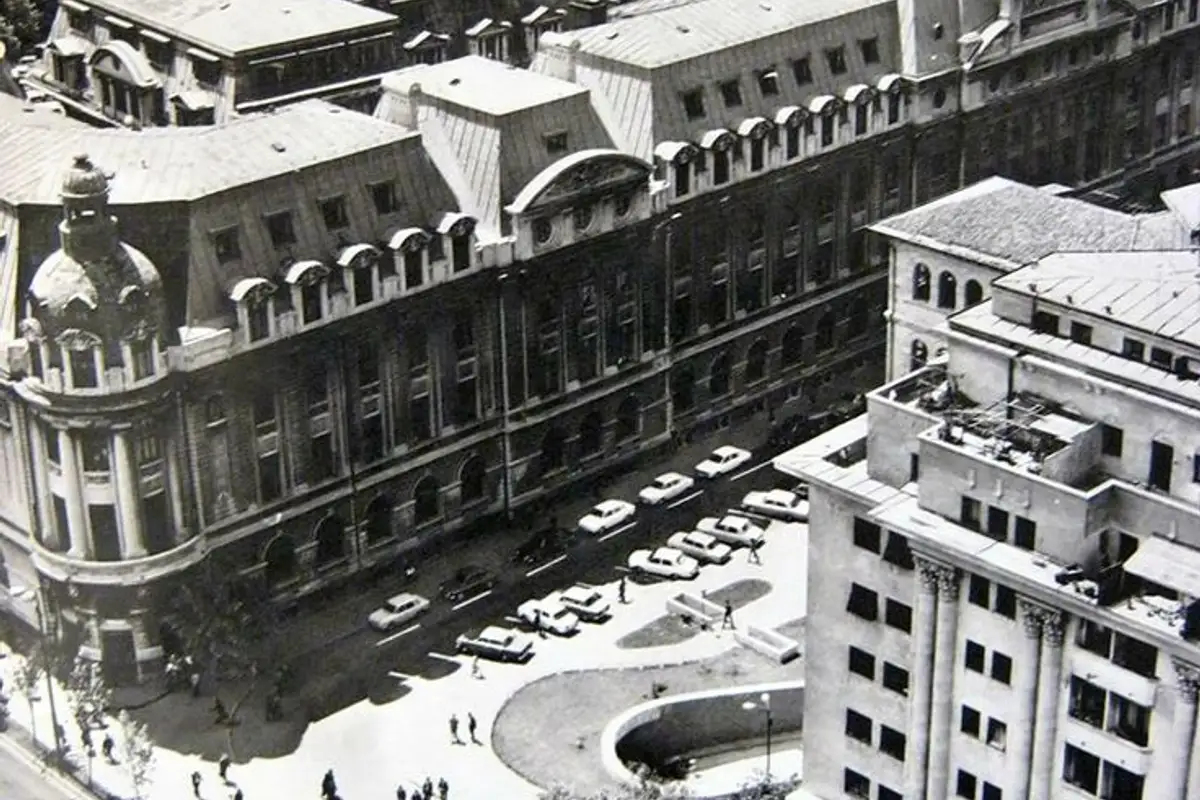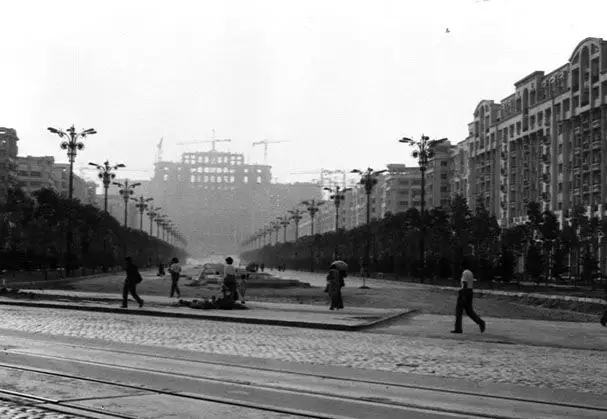
For Bucharest, communism meant, on the one hand, an unprecedented urban and architectural development, but on the other hand, the destruction of a significant part of the city's history.
Although the new industrial centers and platforms increased the number of jobs and expanded both the population and the city's area, the ruling class of those times did not limit itself to developing the city beyond its borders but also to constructing modern buildings at the expense of altering the old appearance of Bucharest.
Before the 1977 earthquake, authorities' plans did not include demolishing buildings and there were few plans for the demolition of historical buildings, except when it was absolutely necessary.
Even Nicolae Ceausescu, in many of his speeches, mentioned the necessity of preserving historical buildings, and that new construction sites should not affect these buildings.
Read also How Bucharest Changed at the Beginning of the Communist Era
After the 1977 earthquake, things changed radically. Perhaps Ceausescu already had ideas for building the city according to the "needs" of socialism and his own ideals before the earthquake, but he never expressed them as radically as he would after the earthquake. It is clear that the destruction it caused now gave him the opportunity to put his plans into action.
From now on, the city had to be built according to the norms of socialist realism and, above all, according to the ideas of "The Much-Loved Leader".
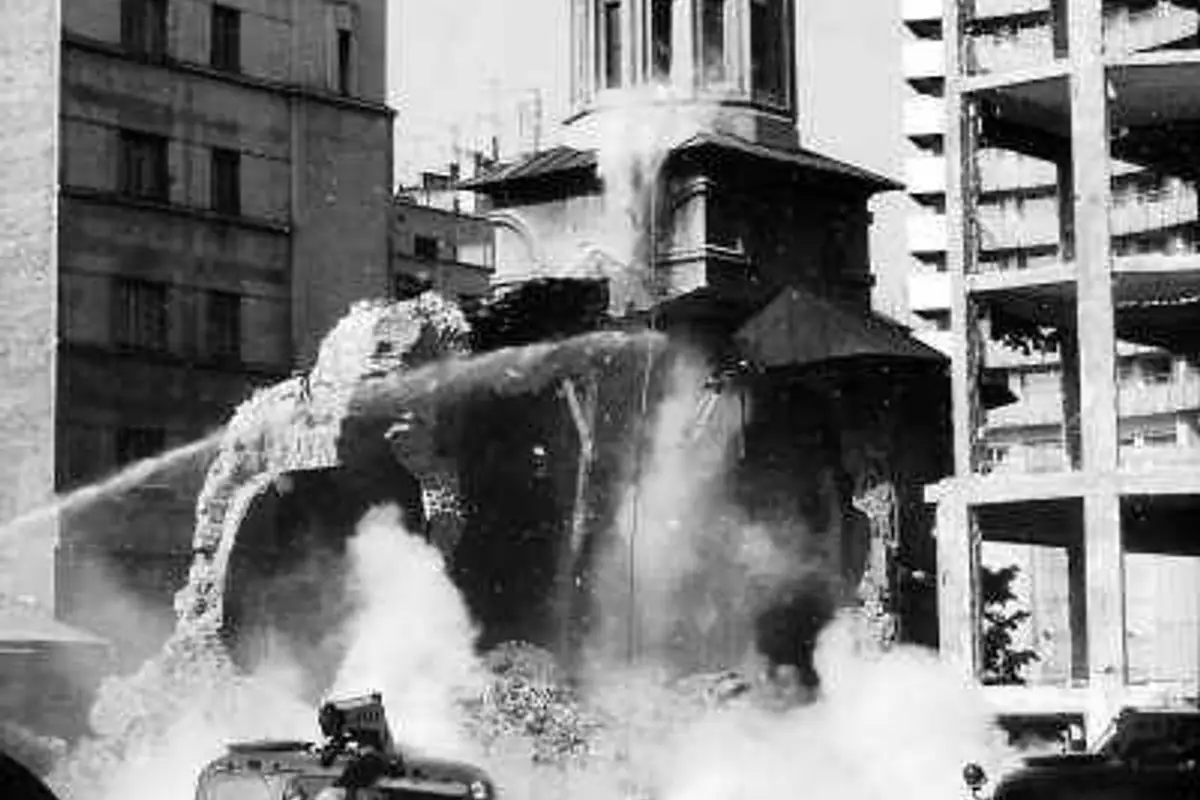
The most affected buildings were churches from the outset, some dating back to the 16th and 17th centuries. Biserica Enei was the first victim of these demolitions, the reason given being severe, irreparable damage caused by the earthquake. In fact, the church had suffered damage, but not irreparable damage.
The motivation was likely different: the church's positioning near the Dunarea apartment block, opposite the Hotel Intercontinental, with a view of the boulevard. The regime was probably disturbed by the church's location due to its atheistic nature.
Read also Bucharest Neighborhoods: The History of the Capital's Periphery
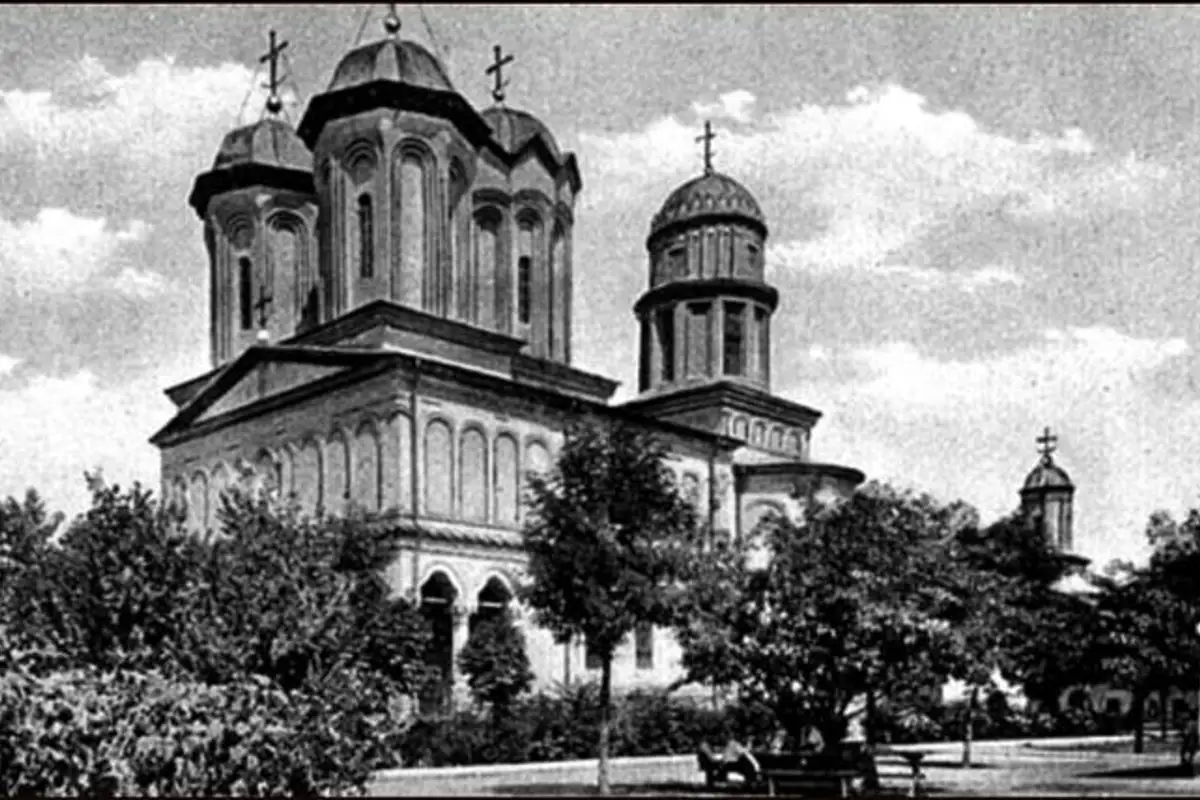
A number of churches with immense historical value followed, some dating back to the 16th century. For example, Biserica Alba Postavari, located in the current Piața a Constituției, is attested from as early as the late 16th century.
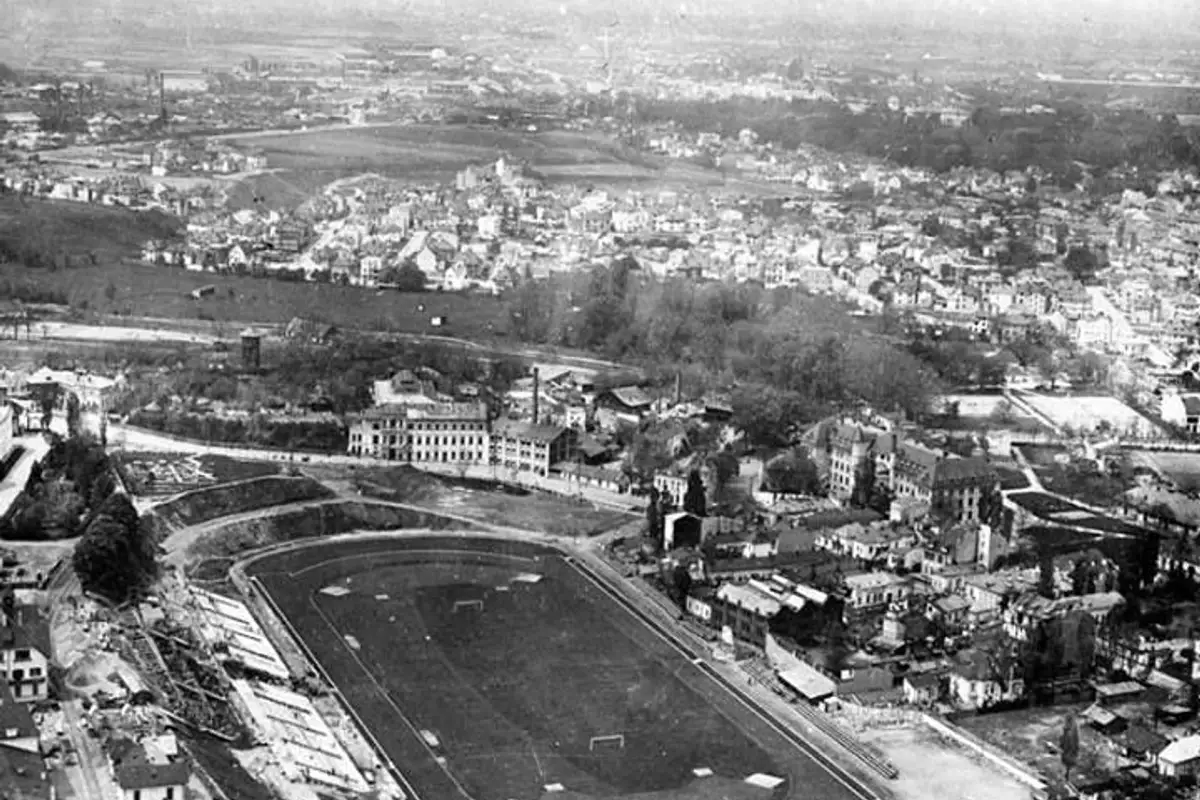
Perhaps the most famous Christian edifice demolished was Mănăstirea Văcărești, destroyed between 1985 and 1987. It was an architectural gem dating back to the time of Constantin Mavrocordat (18th century).
The monastery is located in the current area of the Sun Plaza commercial complex and over time has fulfilled several functions, including that of a prison, where a number of personalities from the pre-war and interwar periods were imprisoned.