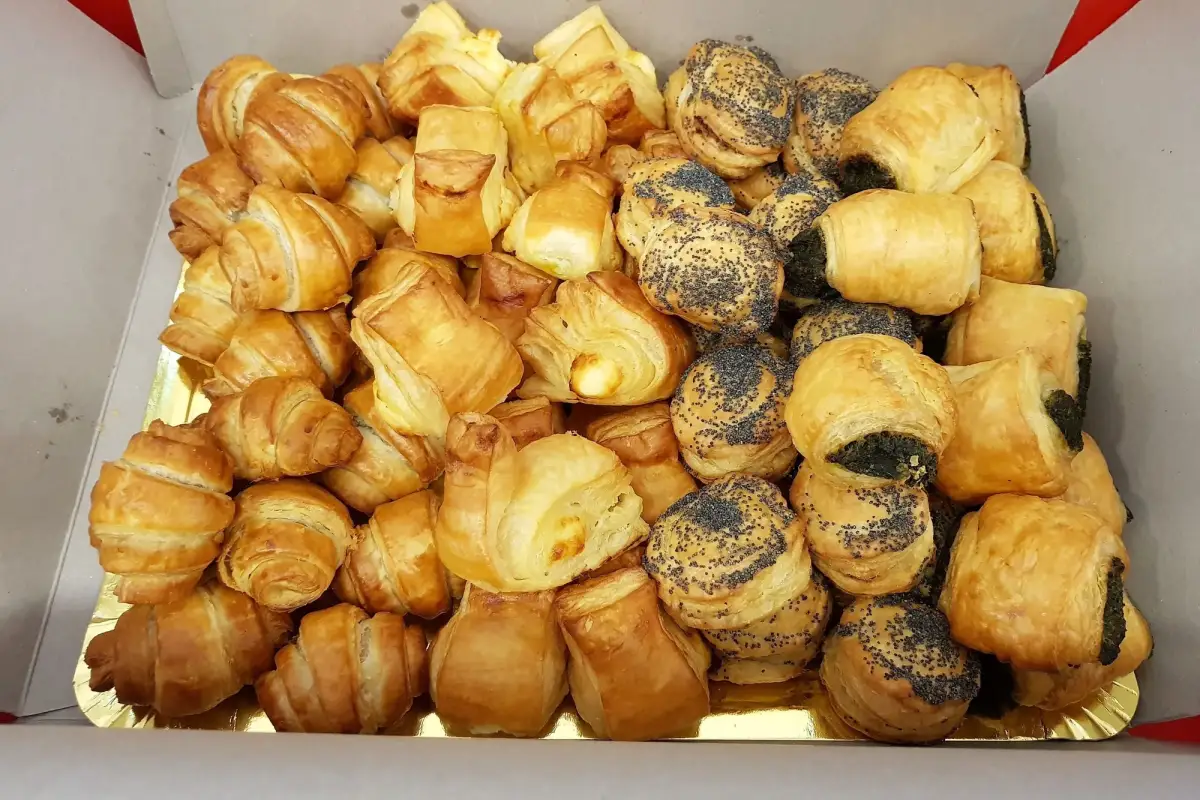
Imagine you're in a meeting room when someone brings in a platter of pastries. You might want something from it, or you might not, but chances are the people around you will react differently: someone will grab two mini meringues right away, another will eat a mini pâté without seeming to notice, yet another will barely register the platter's existence, and someone else will spend their entire meeting longing for a mini pâté with mushrooms but won't take one. Our appetites and reactions to food vary enormously – but what happens behind the scenes to govern them? How does modern food "hijack" this process?
“First of all, it’s important to distinguish between hunger and appetite,” says Giles Yeo, professor of molecular neuroendocrinology at the University of Cambridge and author of the book Why Calories Don’t Count.“Hunger is a sensation; it's what happens before you decide you need to eat something. Appetite encompasses everything surrounding why we eat, including hunger, satiety, and reward, or how you actually feel when you're eating. These three sensations use completely different parts of the brain, but they work together.”
Hunger is regulated by the hypothalamus, located behind the nasal bridge at the base of the brain, which monitors blood sugar levels and the hormones leptin and ghrelin to check for an energy deficit.
Satiety is regulated by the hindbrain (rhombencephalon), situated roughly where the skull meets the neck: when your stomach stretches, the vagus nerve sends a signal to this area telling you that you're physically full.Reward, meanwhile, is regulated by a diffuse network of neurons located higher up in the brain, led by dopamine and the pursuit of pleasurable activities.
“All those parts of the brain communicate with each other, which is why if you’re very hungry, food that offers very little reward, such as plain rice or bread, can be delicious. Or why you might feel full but still be ready for a slice of chocolate cake because it activates your reward system, even though your hindbrain says you're satiated,” explains Yeo. “It’s like a triangle that changes shape depending on the circumstances, with appetite in the middle.”
So what happens with biscuits? Well, part of the reason we respond differently to them depends on how hungry or full we are at that moment, but genetics likely plays a role too. “We all know people who love food and people who see it simply as fuel,” Yeo continues. “People in the 'food is fuel' category will eventually get hungry, but this happens much closer to the time they actually need to eat than for others. It’s also probably a matter of how much – or how little – food is needed to trigger the brain's reward response. We know there are over a thousand genes that influence our appetite, so it’s an extremely complex system.”