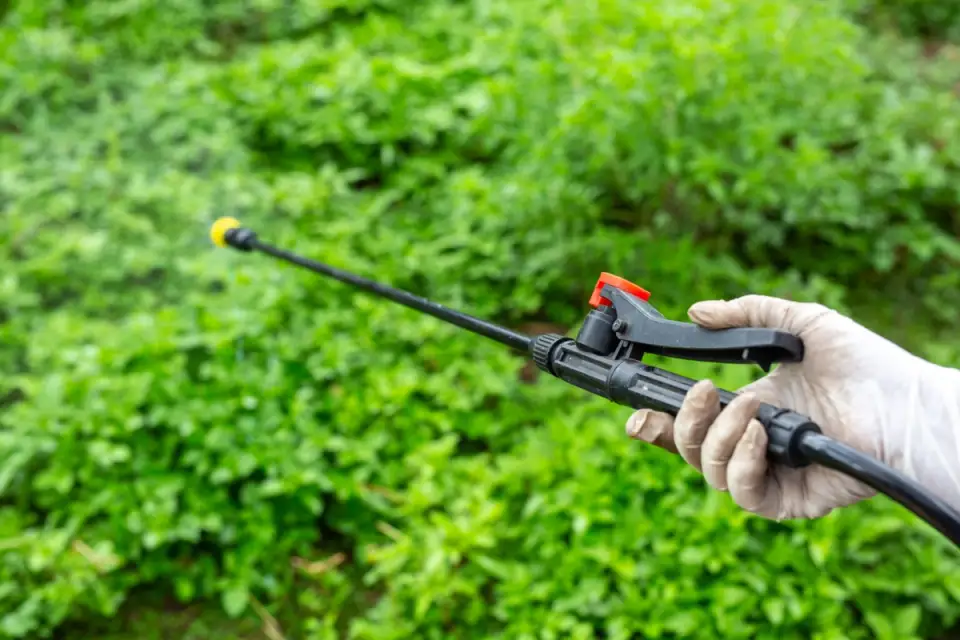
To eliminate weeds and harmful insects from your garden, it's important to choose effective products that are also safe for your plants, pets, and the environment. Here are some suggestions for herbicides and insecticides that can help you maintain a healthy and pest-free garden.
1. Herbicides for Weed Control
Selective herbicides: These are designed to kill certain types of weeds without affecting desired crops or plants. Example: Roundup® Fast Action Weedkiller (Glyphosate) – ideal for tough weeds, acting quickly and efficiently. It is absorbed by the leaves and transported throughout the plant, completely destroying it.
Example: Dicamba – a selective herbicide that controls broadleaf weeds without affecting grasses and other monocotyledonous plants.
Non-selective herbicides: These kill all plants they come into contact with, so they must be used with caution. Example: Glyphosate – a systemic non-selective herbicide that is effective against a wide range of weeds. It is ideal for areas that will be planted later or for controlling weeds in pavements and walkways.
Pre-emergent herbicides: These prevent weed seeds from germinating, thus preventing their emergence. Example: Pendimethalin – used to prevent the growth of weeds from seed. It is applied before planting crops or on flower beds.
2. Insecticides for Insect Control Insecticides are used to control or eliminate harmful insects that can affect plants in your garden.
Contact insecticides: These work by direct contact with insects, killing them immediately or shortly after application. Example: Permethrin – an effective contact insecticide against a wide range of insects, including mosquitoes, ants, beetles, and caterpillars.