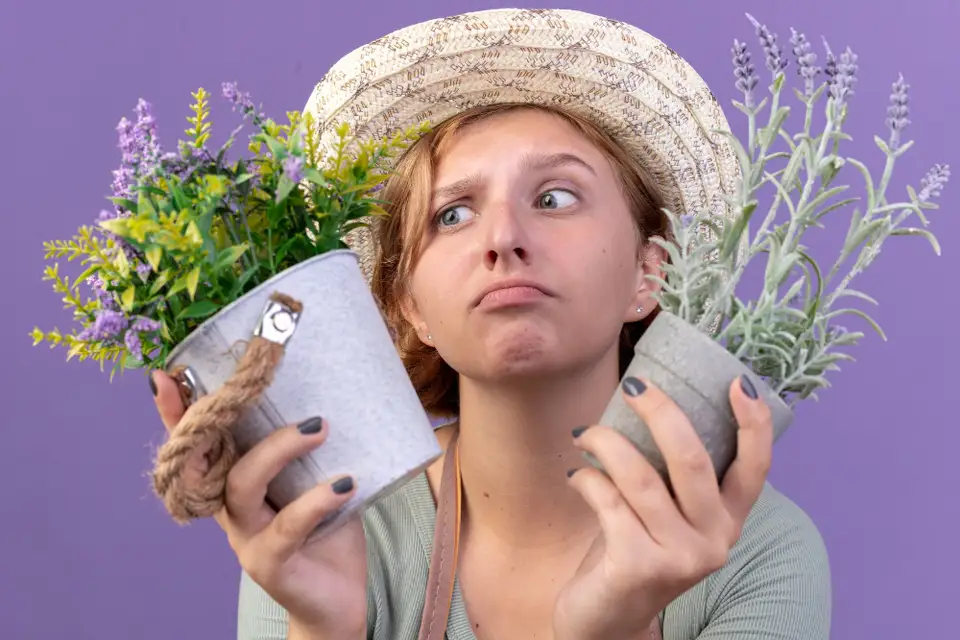
Designing a garden can be an enjoyable and creative activity, but the lack of a well-thought-out plan or unsuitable choices can affect the final result. Here are five common mistakes in garden design and some tips on how to avoid them so that you can achieve an aesthetic and functional space.
Absence of a Land Use Plan
Before starting planting, create a plan that includes the types of plants, their arrangement, and relaxation areas. Consider the needs of each plant type regarding light, water, and soil. Try using a model or sketch to visualize how your garden will look in the end.
Choosing the Wrong Plant for the Available Location
Study the needs of each plant before purchasing it. For example, some plants need full sun, while others prefer shady spots. Also, consider the final size of the plant to avoid overcrowding the space. Plant them in areas that provide optimal conditions for healthy and vigorous growth.
Ignoring the Importance of Soil
Check the quality and type of soil before planting. Soils can be acidic, alkaline, sandy, or clayey, each having a different impact on plant development. Add compost or organic fertilizer to improve soil quality and provide necessary nutrients.