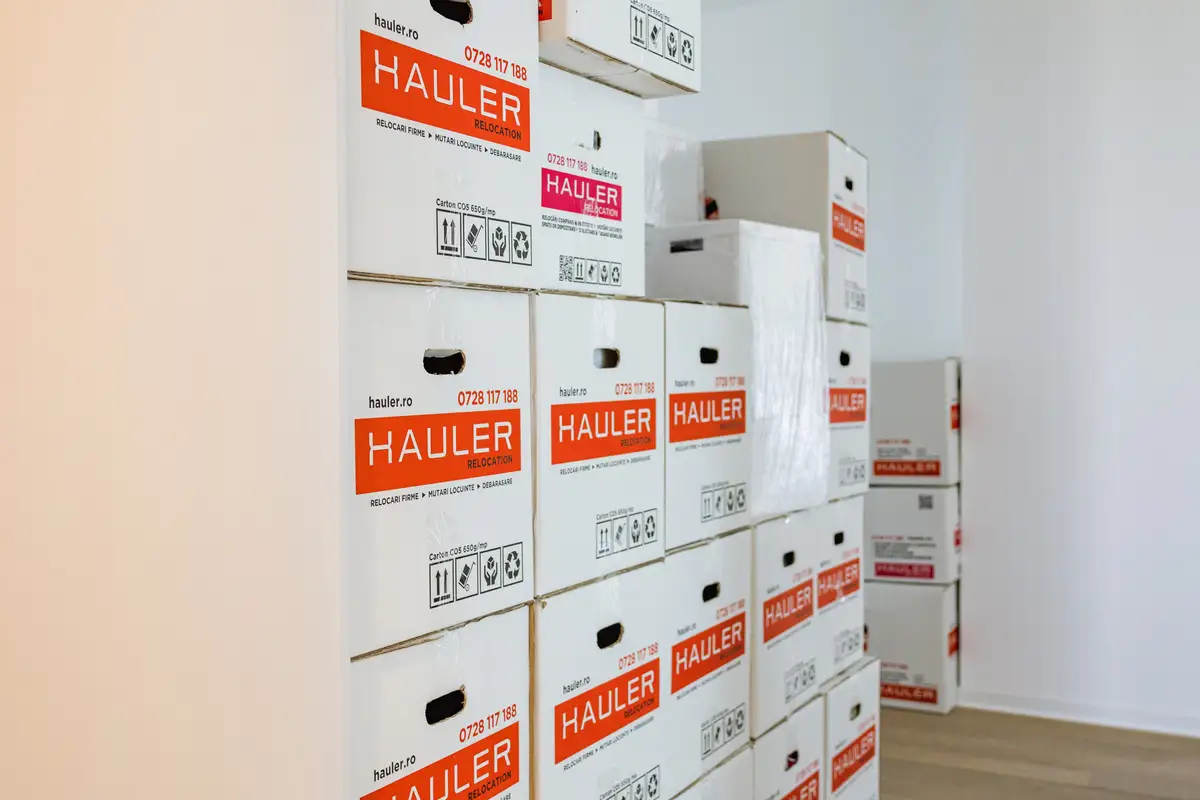
Some of the biggest life changes often begin with a single box. Moving into a new home represents more than just relocating belongings; it's a process that transforms spaces, routines, and opportunities.
O moving company which has completed thousands of successful moves over many years, has discovered that even the most complex relocations become manageable through proper planning and strategic execution.
The secret lies in breaking down this major life change into clear and actionable steps. From creating detailed plans with timelines and budgets to implementing efficient packing strategies and coordinating essential logistics, each stage builds upon the previous one, ensuring a smooth transition.
That's why, in this helpful guide on moving logistics, we'll unpack five common mistakes and package them into practical solutions.
Mistake 1: Lack of detailed planning
Many people think that planning a move simply means "gathering things up and putting them in the car." Unfortunately, reality is different. We fail to realize how many things we've accumulated over time. Because we see them every day, we become accustomed to them and have the impression that there are very few objects.
And when we start packing, we are overwhelmed by their quantity, which seems endless. The reality is a little different; an outside eye can better see the real situation than we perceive it.
Specialists from Hauler, an experienced moving company, show us that this stage doesn't just mean packing objects; it also means inventorying, establishing order, and allocating responsibilities by day and room.
Although it is difficult, stressful, with unforeseen events and other more urgent priorities, planning should start weeks before the move. Because we feel like there is time (until the actual move takes place), we tend to prolong gathering things. Then time presses us. Contact the moving company in advance.
It is helpful to create a list of fragile items and bulky furniture pieces to give them the necessary attention.
Mistake 2: Fragility of objects and improper packing
It's more common than you think to postpone packing and then throw everything into boxes at the last minute. This can lead to disorganization and broken objects, turning unpacking into a real nightmare. No one wants to move and discover that many things have broken/damaged because they were not packed properly, all after the stress of moving.
People often try to maximize space in boxes by packing as many items as possible into each one. Boxes that are too heavy to lift, objects that deteriorate during transport, or boxes that collapse under their weight.
Use smaller boxes for heavy objects, such as books, and larger boxes for lighter objects, such as linens. Make sure no box exceeds 22-23 kg. Clearly label the boxes to indicate if they are fragile or require special handling.