Furniture placement plans are recognized as the foundation of a successful design, being vital for both the functionality and comfort of a room. For this reason, they represent the starting point of any project. Emma Burns, CEO at Sibyl Colefax & John Fowler, describes this process as establishing how "spaces communicate with each other and, if they don't, how they can be persuaded to do so".
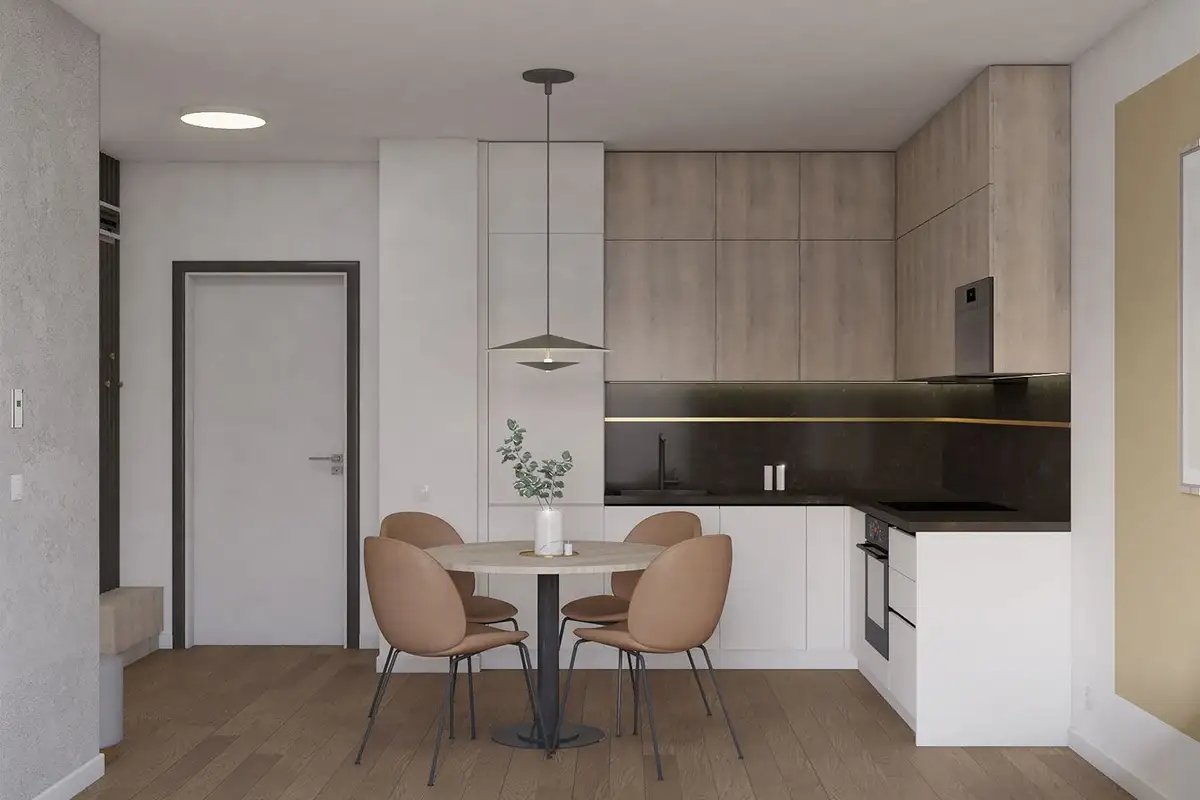
The furniture plan dictates the position of outlets, switches, and plumbing fixtures. Furthermore, designer Brandon Schubert emphasizes that the English were pioneers of this concept in the 19th century. Previously, furniture was typically placed along walls. Tables were brought out occasionally and were provisional. Even sofas were stuck against the wall. The invention of a more specific use for rooms created more intimate and welcoming environments, such as the bourgeois salon. Despite stylistic differences, the basic model has remained unchanged.
There are a few notions that we tend to respect: "every room needs a focal point". However, we have all seen rooms where the configuration, although respecting these ideas, does not work. The room may seem unbalanced symmetrically, or there is a strange empty corner, or the dining chairs are too far apart, making conversation feel uncomfortably "public". On the other hand, there are rooms that ignore all the rules and yet are a triumph. As Brandon says, "rules are just starting points and should be broken regularly".
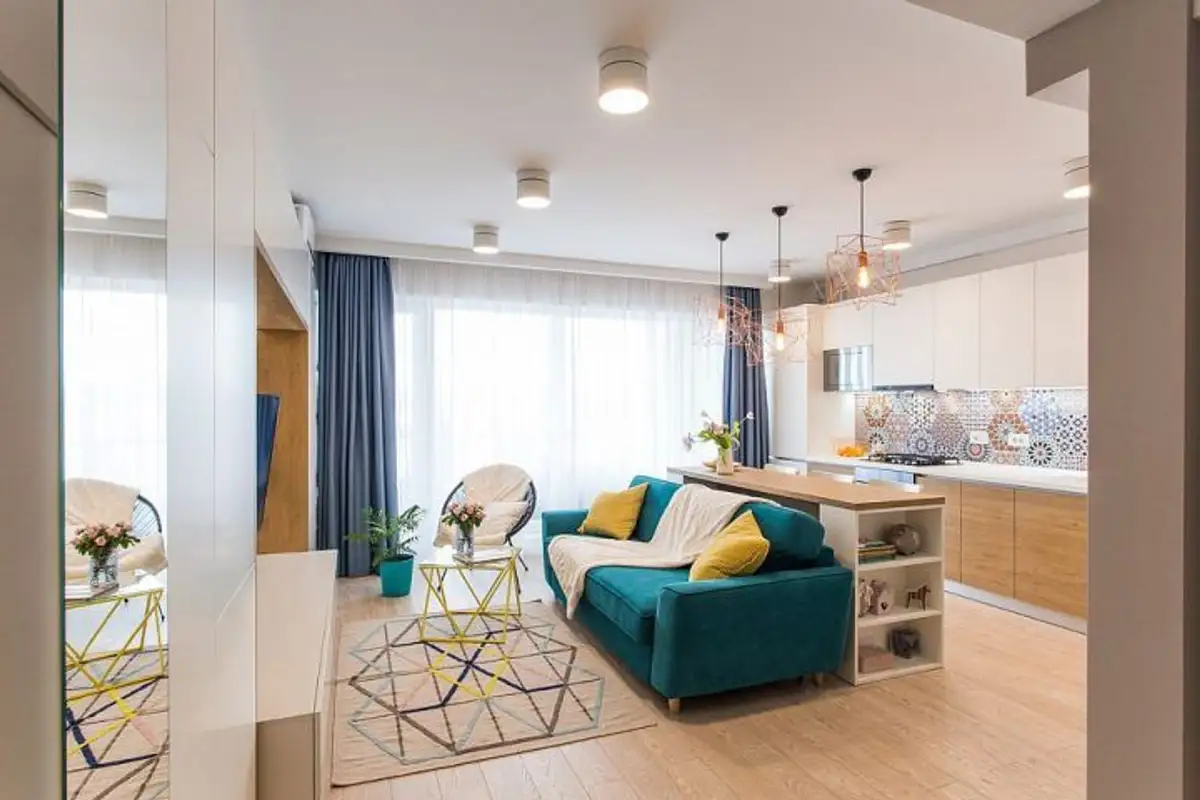
Even the best designers work hard on these plans: "the right configuration is not always immediately obvious, and planning and experimenting means that sometimes we improve on the initial ideas," says Lucy Hammond Giles. Knowing this, it's worth examining our own homes – especially if we have rooms that aren't working as we'd like, or if our needs have changed (young children have become teenagers or we've bought a bulky piece of furniture that requires a complete rearrangement). Henriette von Stockhausen from VSP Interiors adds: "placing an object in a new position can give those objects a whole new life".
How to Get Started
If you're starting from scratch, it's ideal to have an inventory of all your furniture pieces and their measurements. Some prefer CAD programs, but Lucy prefers pencil and paper, cutting out the furniture pieces to move them around on the sketch. "You want to position the large pieces first," she says, as there are fewer options for them. Emma Burns notes that we shouldn't fixate on the idea that an object belongs in a particular room: "a marble-topped dresser can look wonderful in the living room in one house, and in the bedroom in another". You need to think about comfort: can you sit down to read with a drink next to you? Can you turn off the lights from bed? And you need to think about doors – you don't want to bump into the back of a sofa when you open the door.