The kitchen is much more than a functional space — it's the heart of the home, where lazy Sunday mornings turn into family rituals and a home-cooked meal becomes a form of love served on a plate.
Perhaps that's why, when it comes to furnishing or renovating, the kitchen is the room that stirs up the most emotions, the most questions, and let's admit it, the most dilemmas.
How do you choose between beautiful and practical? Between current trends and what truly works for you? This guide helps you navigate all these choices, step by step, from the design plan to the last appliance installed.
It all starts with a good plan
The most popular kitchen layouts remain the L-shape (ideal for medium spaces, with a breakfast nook), the straight line (perfect for small apartments) and the U-shape (generous, with plenty of storage and work space).
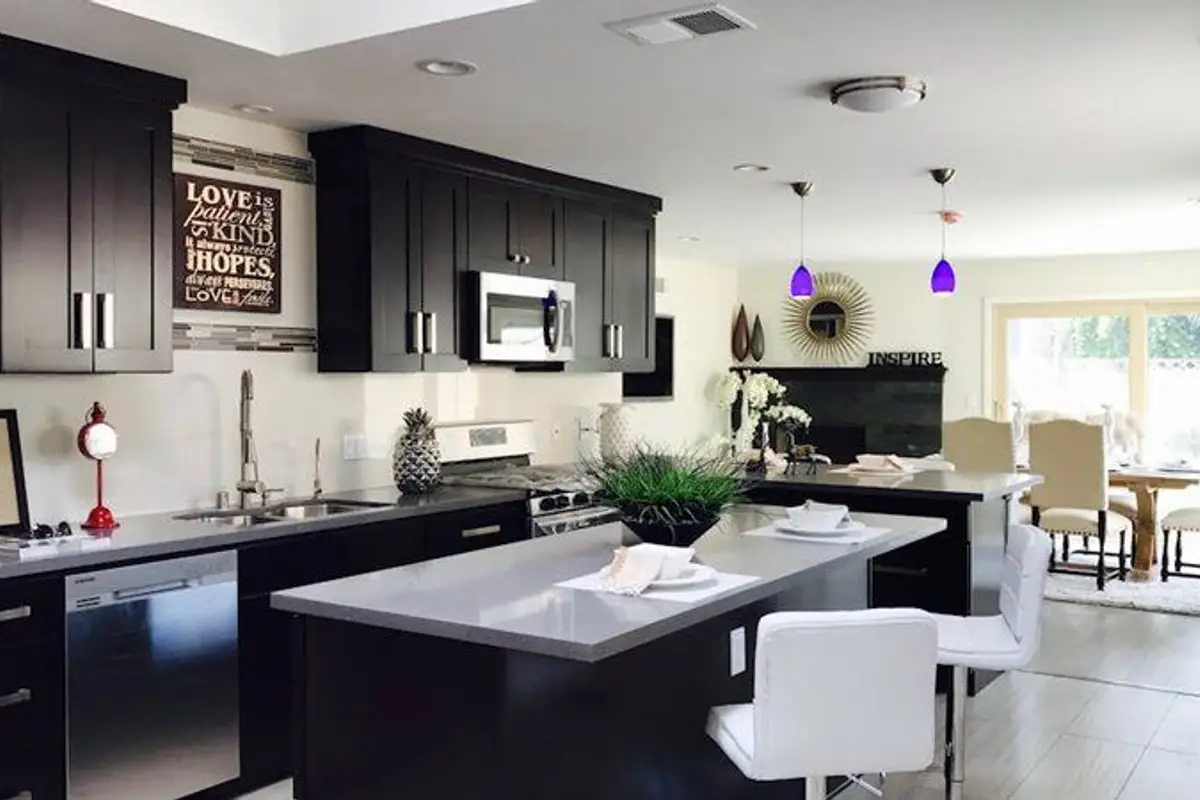
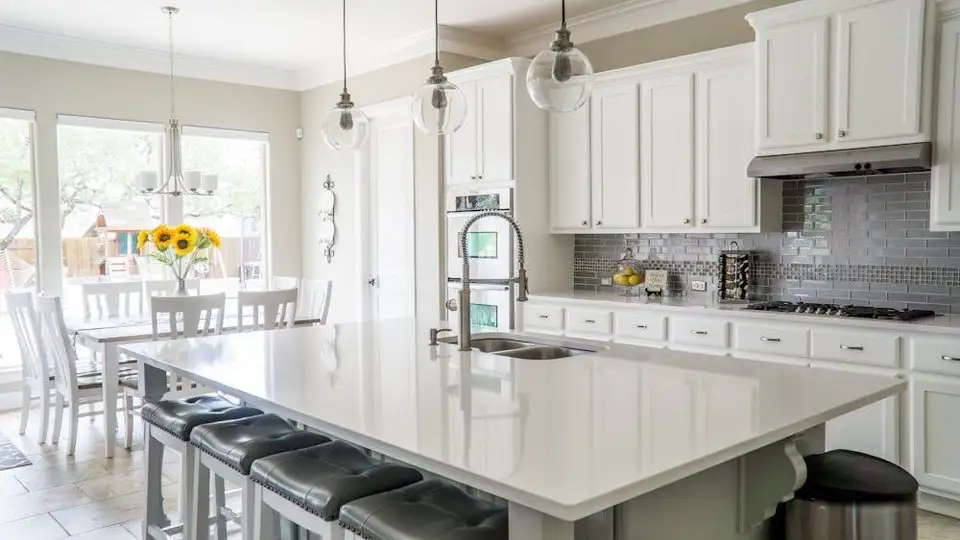
A central island is a dream for many homeowners, but it really only works if you have at least 15 square meters dedicated to the kitchen — otherwise, it risks becoming an obstacle, not an advantage.
Materials that make a difference
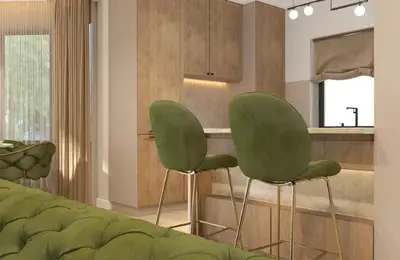
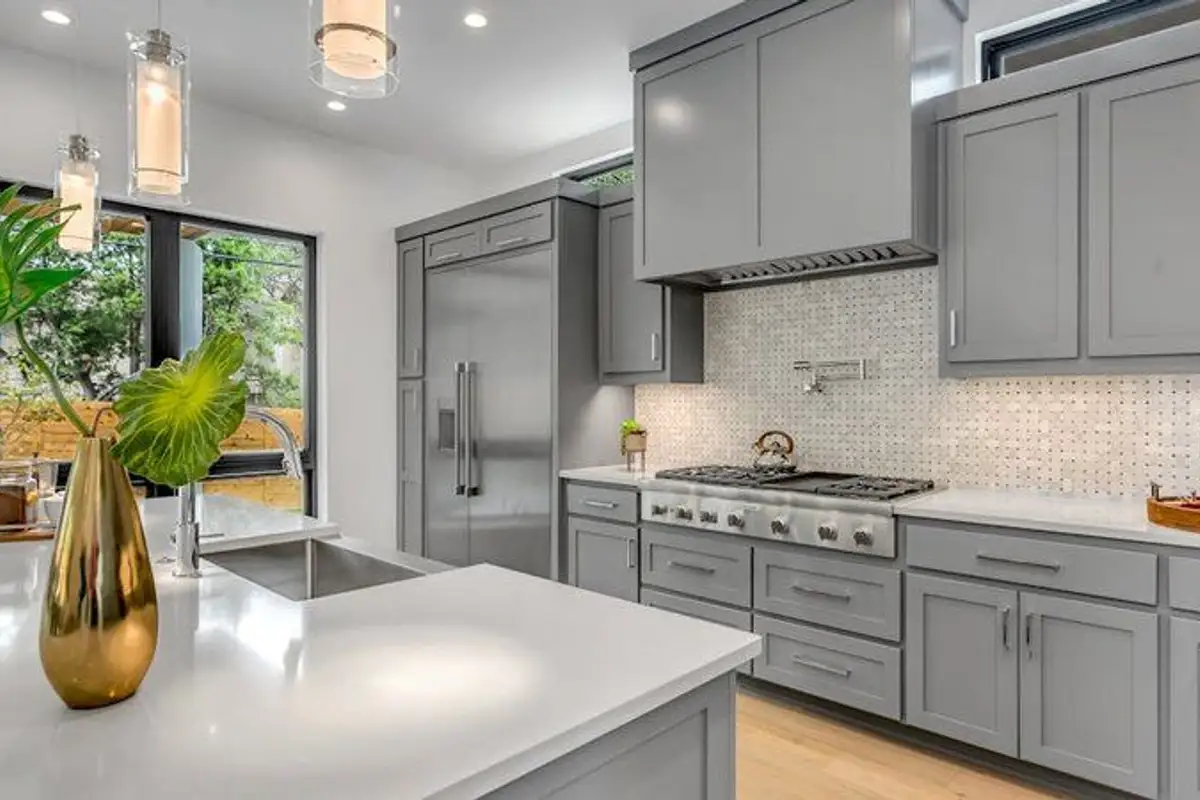
For furniture fronts, current trends favor matte finishes in neutral tones — anthracite gray, sand beige, sage green or deep blue. Integrated handles (groove type) give a minimalist look and facilitate cleaning, while thin metal handles in brass or matte black shades add a touch of refinement.
Whatever the choice, it's important that the materials and colors create a unified whole, not a collection of disparate elements.
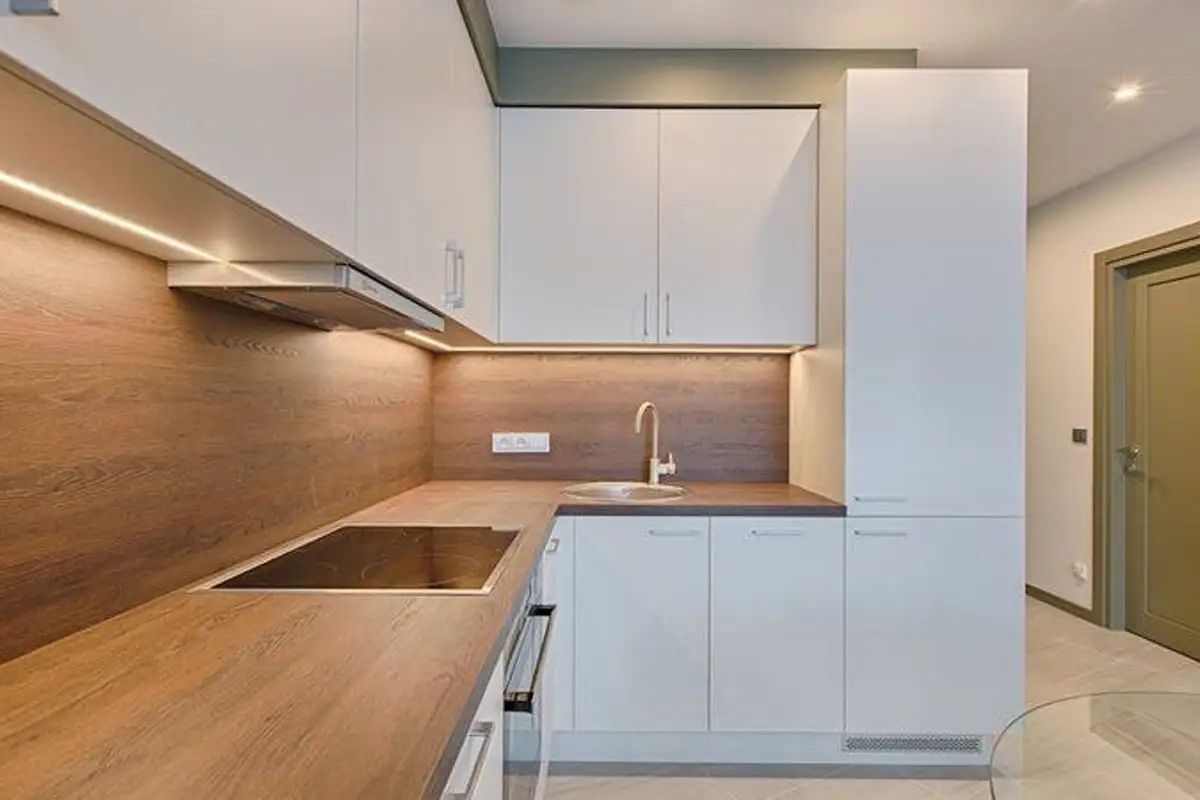
Lighting: the secret ingredient of a successful kitchen
LED strips above and below suspended furniture have become a standard in modern kitchens, and their cost is surprisingly affordable — between 100 and 300 lei for a complete strip. Warm light (2700-3000K) creates a welcoming atmosphere, while neutral light (4000K) is more suitable for the work area, where precision matters.
How to choose the right stove for your cooking style
If you prefer a more contemporary approach, induction hobs are gaining ground rapidly: they heat up twice as fast as gas, consume 30% less energy and are cleaned with a simple wipe. The downside? They require cookware with a magnetic base.
Regardless of the choice, the standard size of 60 cm fits most kitchens, while 90 cm models are ideal for those who cook frequently in large quantities or need five burners.