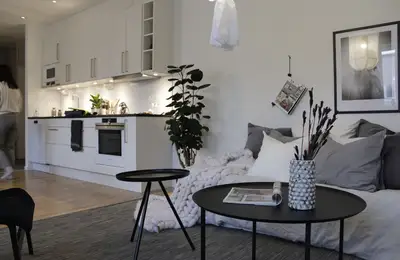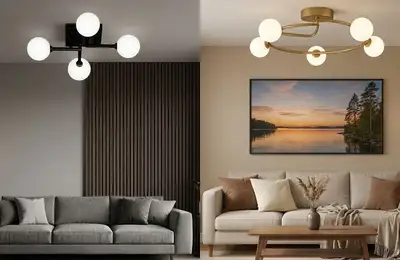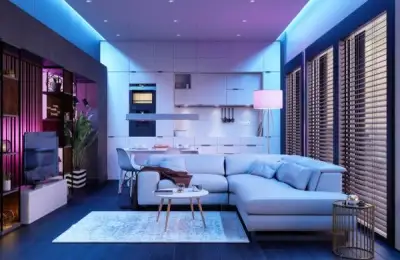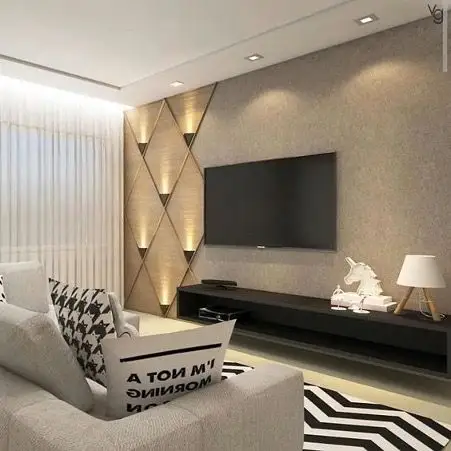
Lighting is one of the most important elements of interior design, but it is often overlooked. It's not just about having enough light to see or read, but also how light can influence mood, comfort, and the overall atmosphere of a room.
Ambient lighting is key in creating a warm and welcoming home – and the good news is that you don't have to spend a fortune to achieve this effect.
What is ambient lighting?
Ambient lighting represents the base layer of light in a room. It is general, diffused light that fills the space and makes it functional, but also aesthetically pleasing. It is neither too strong nor too weak – it creates a pleasant luminous background without harsh shadows or uncomfortable contrasts.
This can be achieved with the help of main lighting fixtures (chandeliers, ceiling lights, wall sconces), but also with secondary decorative elements, such as floor lamps, candles, or LED strips.
Choose warm light sources
The first step in creating a welcoming atmosphere is to choose bulbs with a warm color temperature. These are bulbs with a temperature between 2700K and 3000K, which emit a yellowish light, similar to natural light at sunset.
Avoid cool (bluish) light, which is used more often in office or commercial spaces and can give a sterile feel to the home. For the living room, bedroom, or even kitchen, bulbs with warm light create a feeling of comfort and relaxation.
Integrate lighting on layers
A trick used by interior designers is to create multiple layers of light. Ambient lighting is just the beginning – combine it with accent lighting and functional lighting to create depth and visual interest.
Functional lighting (task lighting): perfect for reading, cooking, or working at a desk – includes table lamps, directional spotlights, or desk lamps.
Accent lighting: highlights decorative objects, paintings, or architectural features – achieved with spotlights, LED strips, or recessed lights.