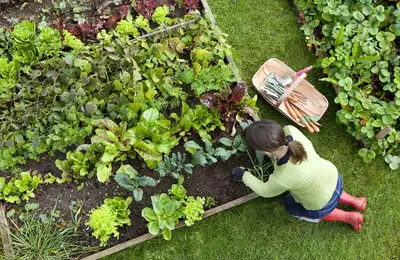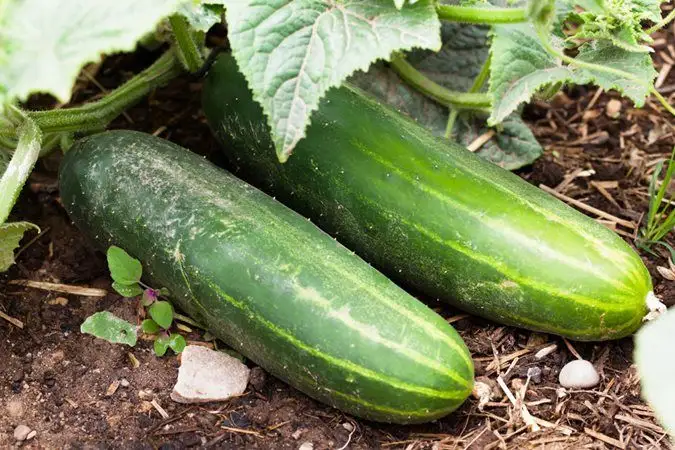
Gardening is more than just light, water, soil, and nutrients. An often overlooked element is the beneficial relationship between plants, known as companion planting.
Plants can help other species by repelling pests, improving the soil, or attracting beneficial insects. The result: richer harvests, better taste, and fewer problems with diseases and pests.
Companion planting is not an exact science. Some combinations work better than others, and local conditions, such as climate and soil, influence effectiveness.
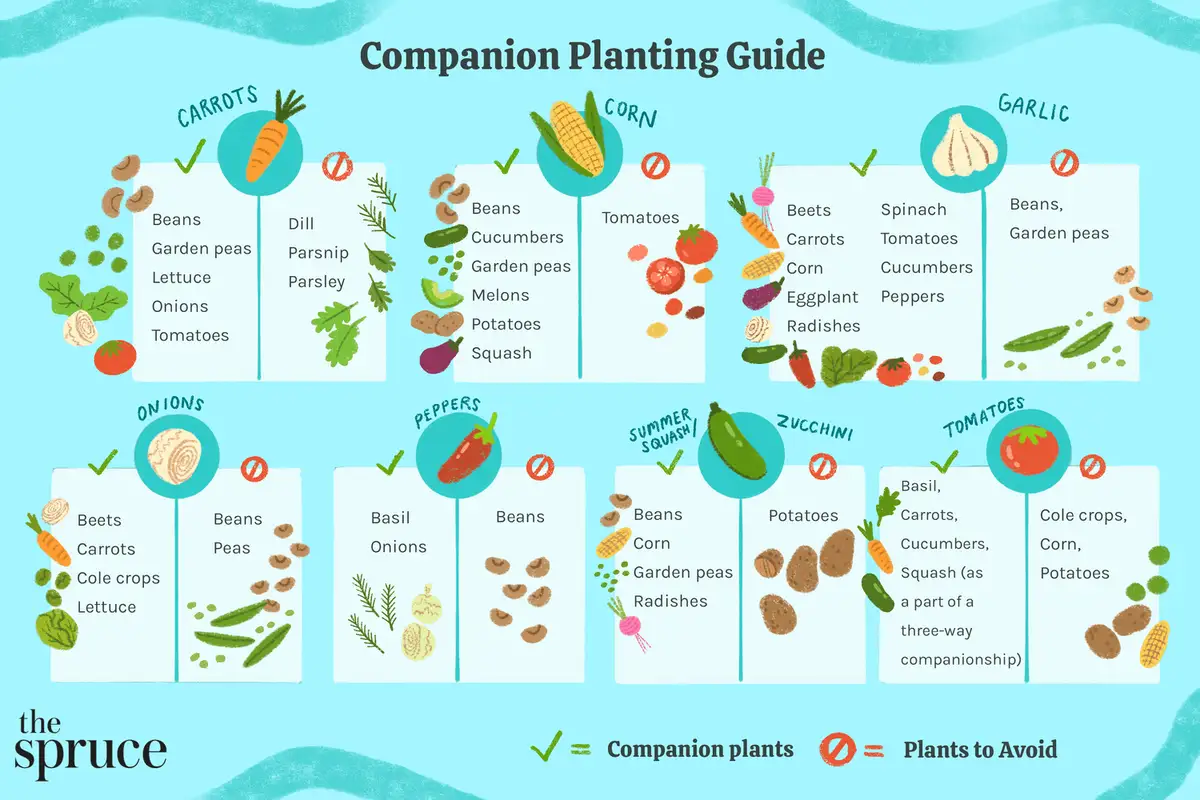
Examples of Plants and Their Ideal Combinations
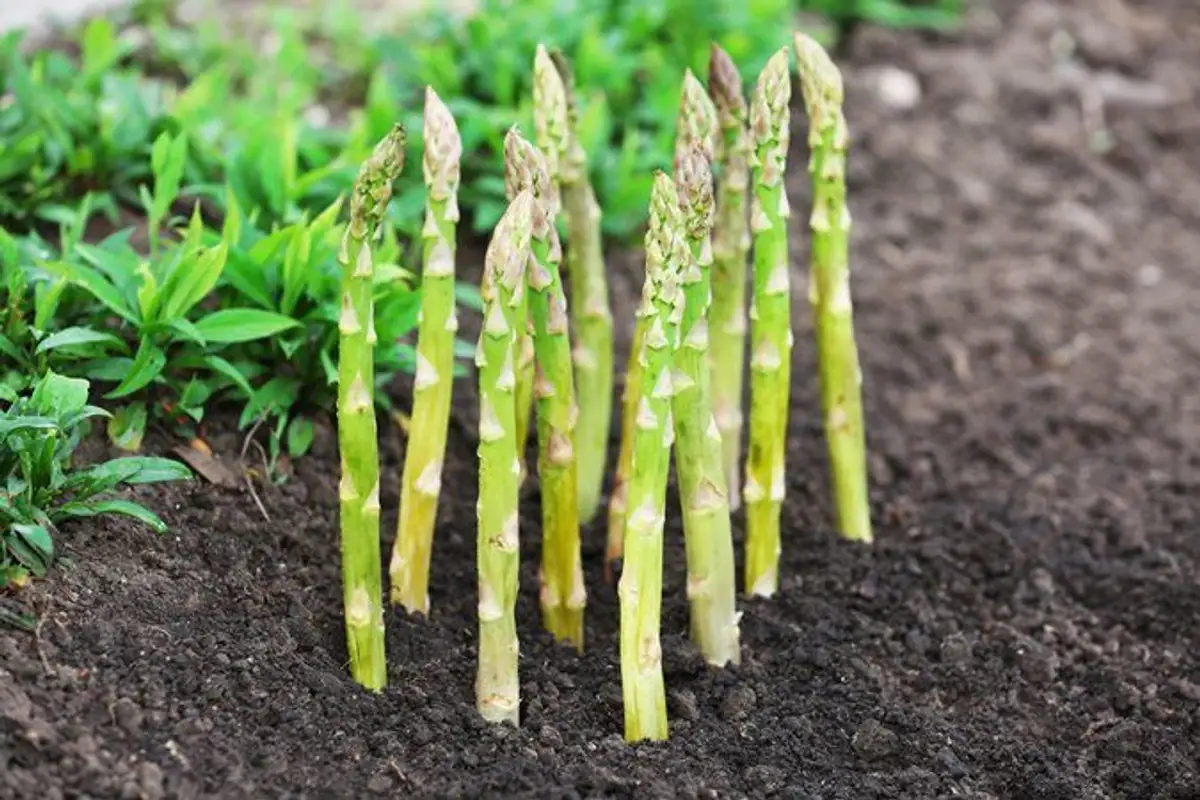
Companion plants: basil, coriander, dill, marigolds, parsley, tomatoes Avoid: garlic, onion, potato Benefits: Basil, marigolds, and tomatoes protect asparagus from asparagus beetle. Coriander and dill repel aphids and spider mites.
Basil
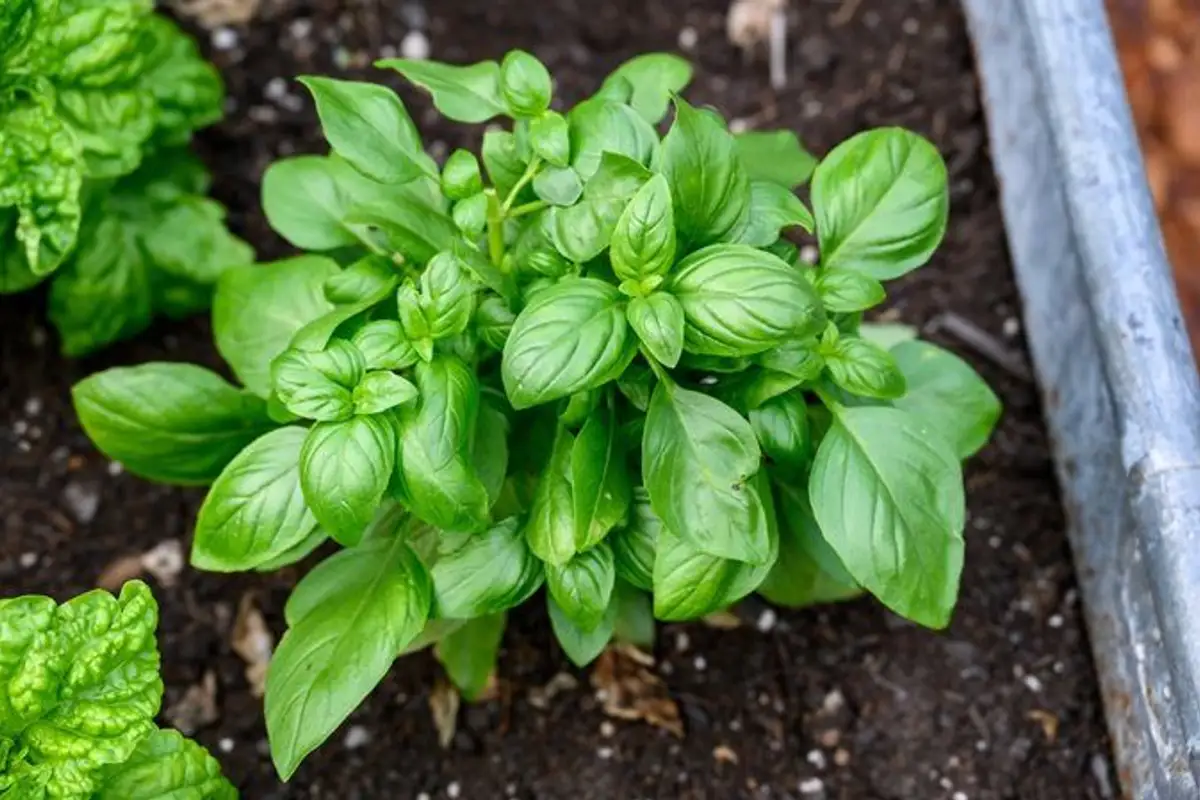
Companion plants: asparagus, beetroot, borage, carrot, chamomile, green onion, marigold, oregano, pepper, radish, tomato, turnip Avoid: cucumbers, fennel, rue, sage Benefits: repels aphids, asparagus beetle, mosquitoes, and tomato hornworm; enhances the flavor of tomatoes and peppers.
Beans (Vetch)
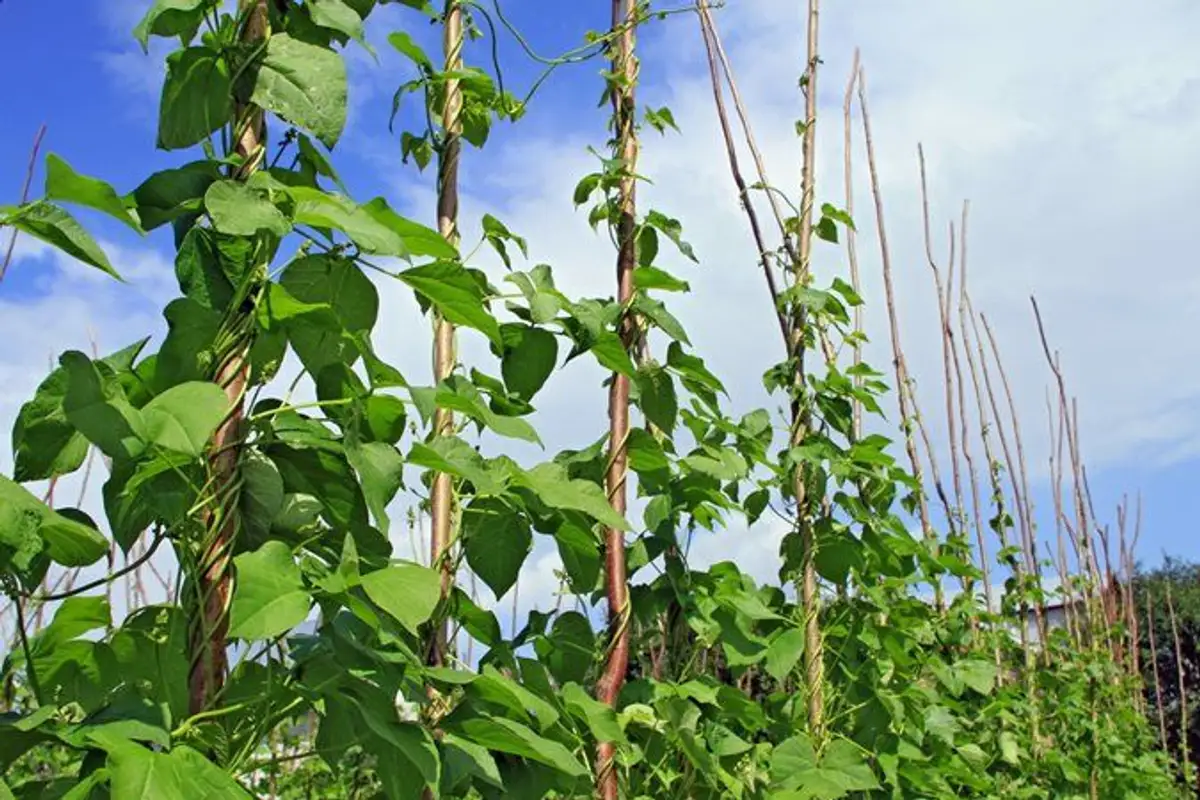
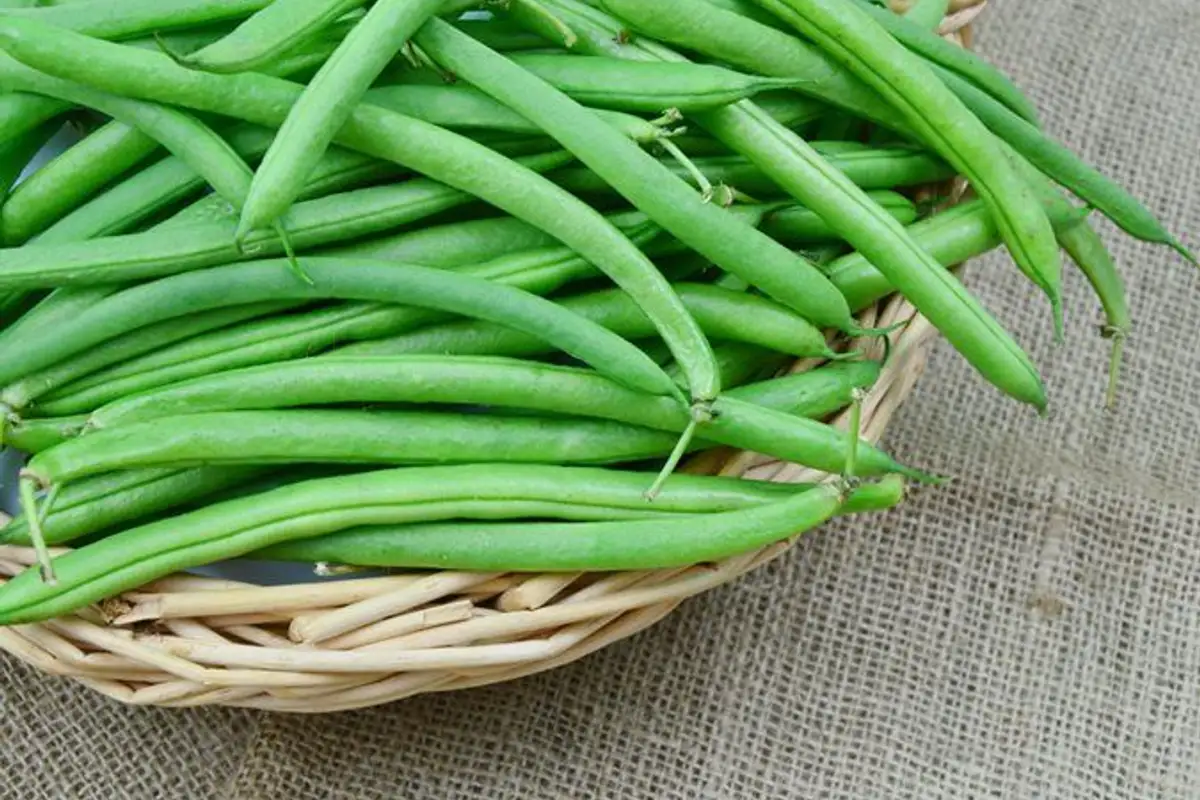
Companion plants: peas, corn, carrot, parsley, pumpkin, beetroot, tomato, cucumber, onion, garlic, dill, parsnip, tomato Avoid: allium family plants (onion, garlic, shallot) for bush beans Benefits: Fixes nitrogen in the soil and improves fertility.
Carrot
Companion plants: bean, onion, parsley, radish, tomato, dill, sage Avoid: parsnip, dill Benefits: Onion and parsley repel carrot flies, and beans add nitrogen to the soil.