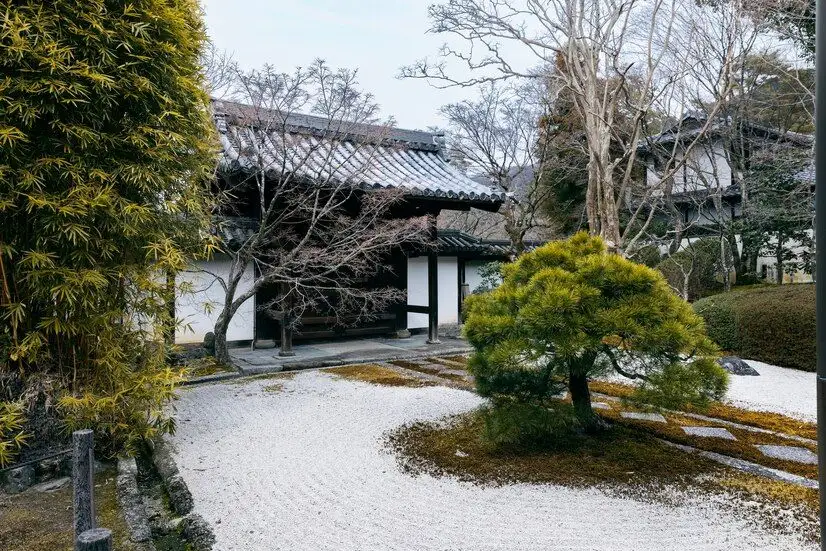
Japanese gardens are renowned for their calm and harmonious beauty, inspired by Zen principles. Creating a Japanese garden in your own yard can be a fulfilling experience, providing you with a relaxing space ideal for meditation.
Here are some essential tips to keep in mind:
There are several styles of Japanese gardens, each with its distinct characteristics:
Kare-sansui Garden (dry landscape garden):
It is characterized by precise arrangements of stones and raked gravel, often combined with moss and dwarf plants.
Tea Garden:
Designed for the tea ceremony, it includes a traditional tea house, a waiting area, and a winding path through ornamental plants.
Pond Garden:
It features a central pond or lake, often populated with koi fish, surrounded by aquatic plants and stone arrangements.
Garden with Trees and Shrubs:
Emphasizes woody plants, providing shade and a variety of shapes and textures.
Create Visual Balance:
Japanese gardens respect the principles of asymmetrical balance, using contrasting elements of shape, texture, and color to create visual harmony.
Choose Suitable Plants: