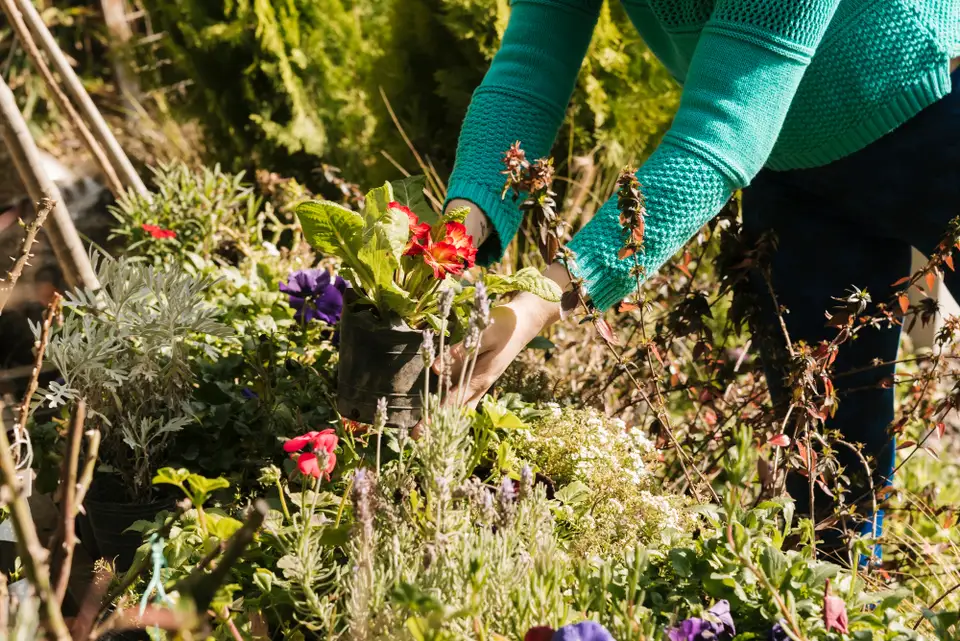
A wildflower garden not only adds color and life to your green space but also contributes to the health of the local ecosystem. Pollinators, such as bees, butterflies, and other insects, play a vital role in plant fertilization, thus aiding in the production of fruits, vegetables, and seeds.
By establishing a wildflower garden, you can support biodiversity and create a more welcoming environment for these essential species. Here is a guide on how to plant wildflowers that attract pollinators and enjoy their beauty and ecological benefits.
1. Choosing a Location for Your Wildflower Garden
2. Selecting Suitable Flowers
Cornflowers – attract both bees and butterflies; they are rustic flowers, easy to grow, with vibrant blue blooms.
Daisies – resilient plants that attract a variety of pollinators, including bumblebees.
Wild Carrot – a plant with delicate pink or red flowers, attracting bees and other beneficial insects.
Lavender – known for its scent, lavender attracts bees and butterflies, making it an excellent choice for your wildflower garden.
Zorele – in various colors, they are ideal for sunny areas and attract both bees and hummingbirds.
Choose flowers that bloom at different times of the year to ensure a constant food source for pollinators. For example, start with primroses and snowdrops in spring, and add flowers like black-eyed Susans, echinacea, and snakeweed during summer and fall.