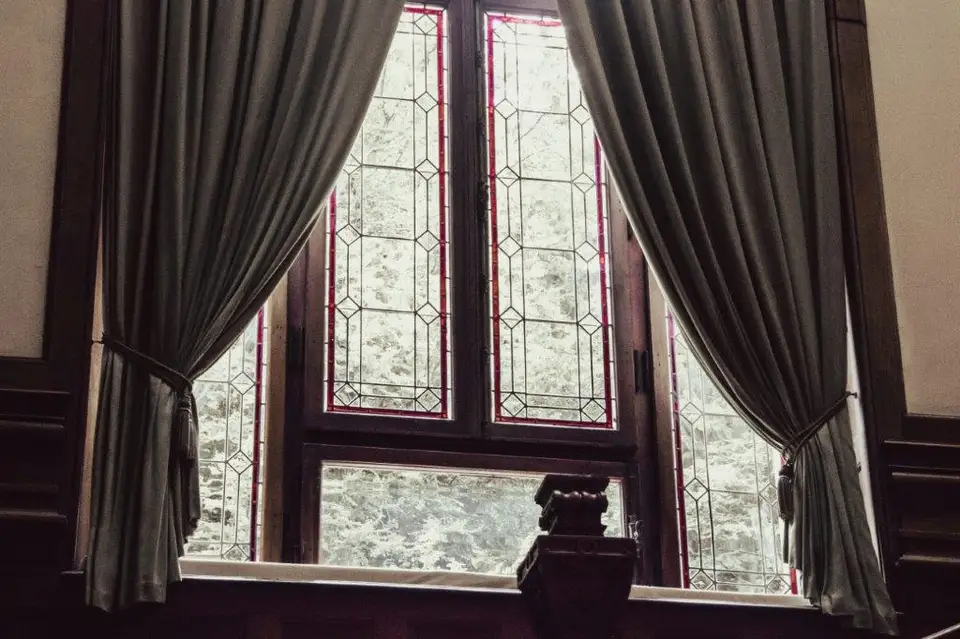
When you think of curtains, the first image that probably comes to mind is that of elegant drapes framing the windows in your living room or bedroom. However, they can go far beyond their traditional function, becoming versatile design elements that can radically transform the look of spaces in your home that you may have never considered before.
Hallways, kitchens, and bathrooms represent unexplored territories for the creative use of curtains, offering surprising opportunities to add personality, functionality, and elegance to areas that are often neglected from a decorative standpoint.
The hallway, although it is the first area your guests see when they enter your home, often remains underestimated in terms of its decorative potential. Curtains can play a crucial role here in creating a warm and memorable welcome. You can use textile panels to visually delimit the entrance from the rest of the house, creating a sense of intimacy and elegance.
An ingenious solution is installing curtains on a ceiling track that encircles the shoe area, transforming it into a distinct and refined space.
Redefining Spaces Through Textiles
The kitchen can benefit enormously from integrating curtains in unconventional ways. Instead of limiting yourself to classic window curtains, you can experiment with textile panels to hide open storage areas or create subtle separations between different functional zones.
For example, curtains can elegantly mask the pantry or perhaps the dining and appliance area, offering a warmer and less rigid alternative than traditional doors. Moisture-resistant and stain-resistant materials are essential in this context, and neutral colors or discreet patterns will harmoniously integrate with the overall design of the kitchen.
An especially creative idea is using curtains as an element to separate the kitchen from the living room in open-plan spaces. This solution allows you to visually and acoustically control the connection between the two zones, enabling you to create intimacy when preparing meals or, conversely, to fully open up the space for parties and social gatherings.
The chosen textiles should be practical, easy to maintain, and aligned with the color palette of both spaces.