Adopting eco-friendly solutions in your home and garden is essential for reducing environmental impact and conserving resources. By collecting rainwater and using natural compost, you can contribute to protecting nature and improving the efficiency of your garden. Here's how you can implement these sustainable methods.
How to collect rainwater for irrigation Rainwater is a valuable and free resource that can be used for watering your garden, thus saving potable water. Rainwater collection systems are easy to install and efficient.
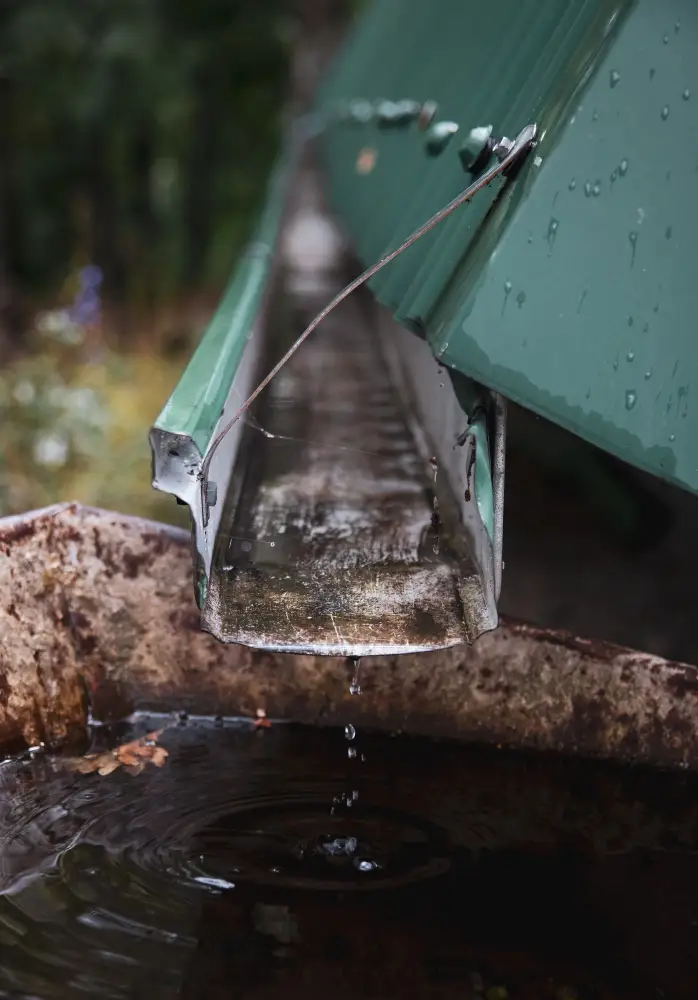
Choosing a collection system Simple recipient: You can use a barrel or tank placed under the house gutters to collect rainwater. Make sure the container has a lid to prevent leaves or insects from accumulating.
Complex system: For a larger household, you can invest in an underground collection system connected to a filter and pump for distribution.
Installing the system Direct water from gutters to the recipient using a special collector that prevents impurities from infiltrating.
sure the reservoir is placed on a stable surface and away from direct sunlight to avoid algae growth.
Using rainwater The collected water can be used for irrigation through simple methods, such as manual sprinkling, or through drip systems, which reduce water consumption. It's ideal for ornamental plants, vegetables, and fruit trees.
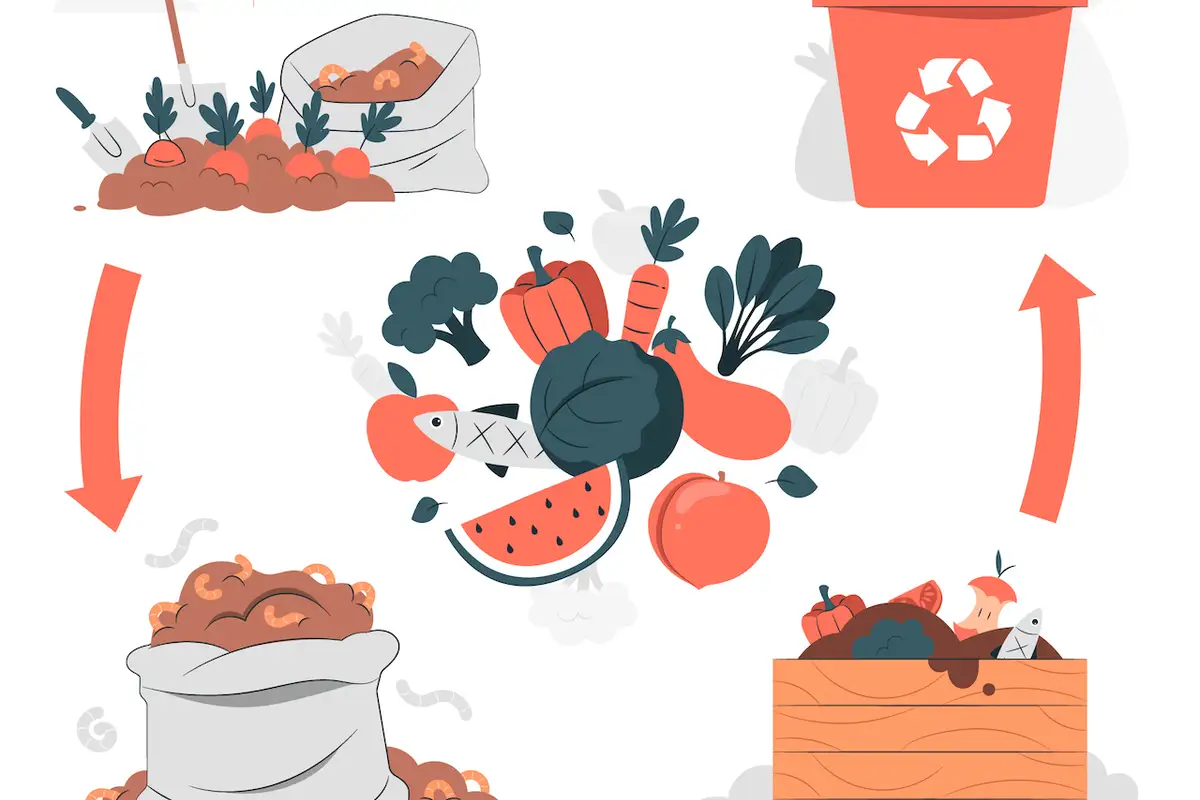
Using natural compost for fertilization Natural compost is a sustainable and economical alternative to chemical fertilizers, providing the soil with essential nutrients. The composting process transforms organic waste from your home and garden into a high-quality fertilizer material.
What materials can you use for compost
Green waste: Vegetable and fruit scraps, grass clippings, green leaves.
Brown waste: Dry leaves, shredded twigs, cardboard, straw.
Avoid: Meat, dairy products, oils, or residues from diseased plants, which can attract pests or contaminate the compost.