Increasing the energy efficiency of your home is an important step in reducing maintenance costs and contributing to environmental protection. An energy-efficient home is more comfortable, maintains a constant temperature, and requires fewer resources to be heated or cooled.
Here are some essential tips for thermal insulation, energy saving, and reducing maintenance costs.
1. Thermal Insulation of the House
Wall insulation: Uninsulated walls are the primary source of heat loss. Adding a layer of insulation to the walls can reduce heat loss by up to 40%. Materials such as mineral wool or expanded polystyrene are popular and efficient options.
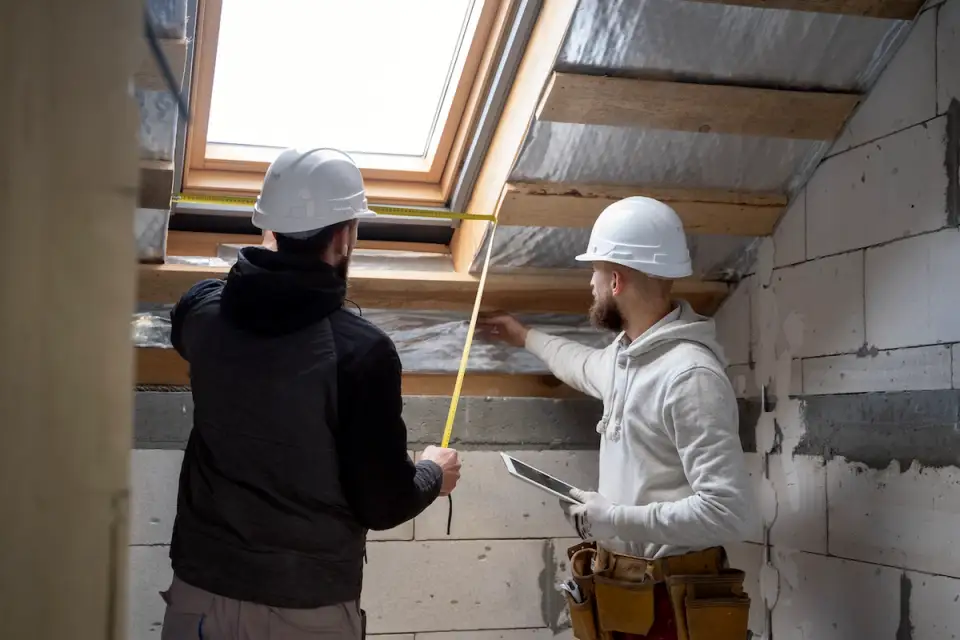
Roof and attic insulation: Heat rises, and a poorly insulated roof can lead to massive heat loss. Insulating the attic with thermal insulating materials, such as mineral wool or polyurethane foam, is an effective solution that can reduce energy consumption by up to 25%.
Floor insulation: Cold floors can add significant thermal discomfort, especially in ground-floor homes or those with basements. Installing a layer of insulation under the floor helps prevent heat loss and maintain a uniform temperature throughout the home.
2. Replacing Windows or Adding Double-Pane Windows Windows are another point of heat loss in most homes. Replacing old windows with double or triple-glazed windows can significantly reduce heat loss.
Double-pane windows: Double-pane windows are designed to reduce heat transfer, keeping your home warmer in winter and cooler in summer. In addition, they also provide acoustic insulation, contributing to a quieter and more comfortable environment.
Window edge insulation: If replacing windows is not an option, you can improve their insulation by using sealing strips around the edges. These prevent cold air from entering and can make a significant difference in maintaining indoor temperature.
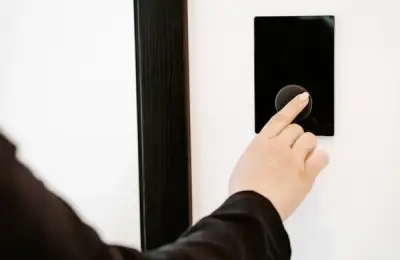
3. Using a Smart Thermostat and Programmer A smart thermostat can control the temperature in your home based on your daily schedule. It automatically regulates the temperature, ensuring optimal energy consumption.