Saving energy in your home doesn't just mean reducing bills, it also means protecting the environment. By applying simple and effective tricks, you can optimize your energy consumption without compromising comfort. Here's how you can do this through insulation, lighting, and the use of efficient appliances.
Proper insulation of a home is one of the most important measures for reducing energy consumption. Poorly insulated walls, roofs, and windows can lead to significant heat loss, increasing heating costs in winter and cooling costs in summer.
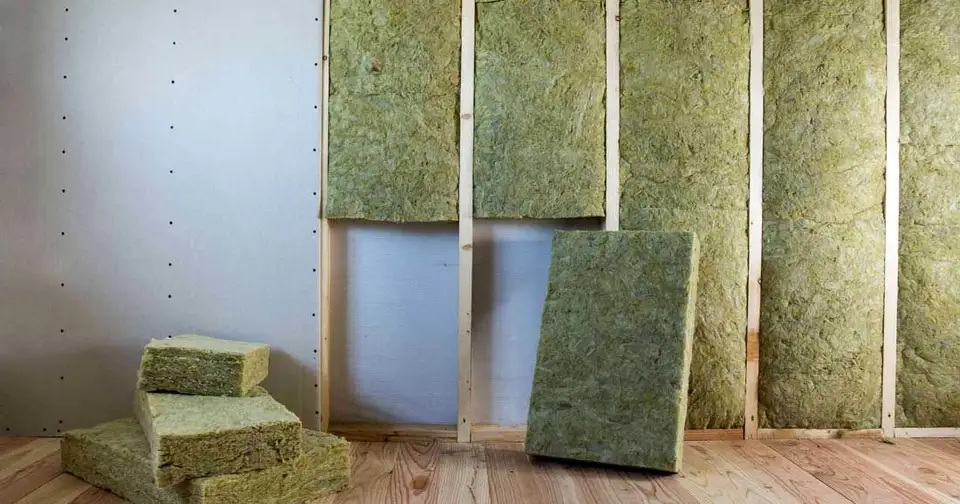
Wall and roof insulation: Use quality materials such as mineral wool or expanded polystyrene to insulate exterior walls and the attic. These will maintain a constant temperature indoors, reducing the need for heating or cooling.
Thermal windows: Replace old windows with double or triple-glazed ones to prevent heat loss and provide sound insulation.
Sealing cracks: Even the smallest cracks around windows or doors can lead to energy loss. Use sealing tape or polyurethane foam to seal them.
Efficient lighting represents a significant portion of electricity consumption in a home. Switching to efficient solutions can considerably reduce the electricity bill.
Replace incandescent or fluorescent bulbs with LED bulbs. They consume up to 80% less energy and have a much longer lifespan.