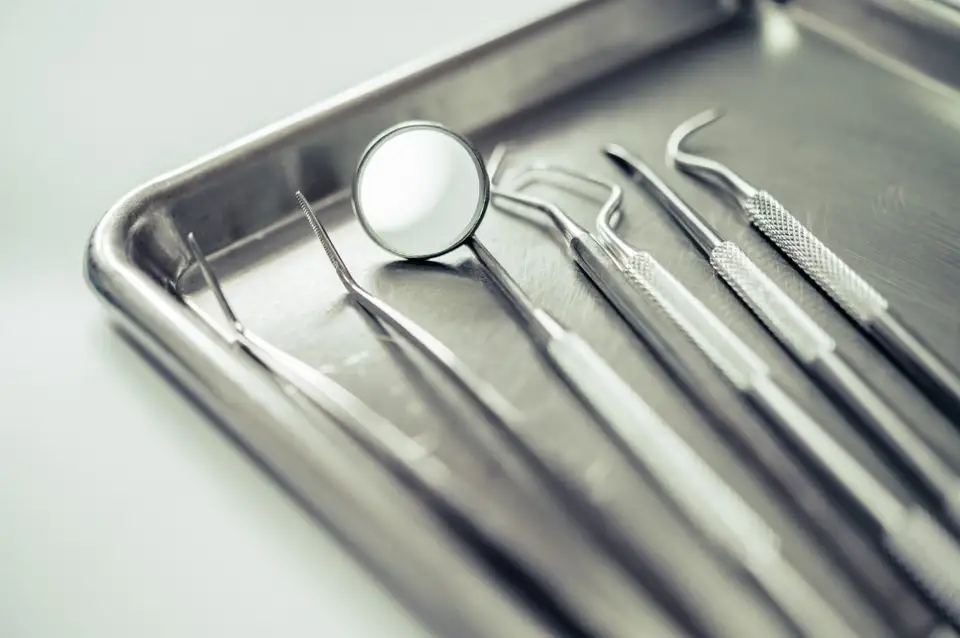
Every dental practice is unique in its own way, but one of the defining characteristics of a modern and efficient practice is high-quality equipment. Dental equipment plays an essential role in providing quality dental care, ensuring both patient comfort and the precision of the dentist.
Here is the essential equipment that should not be missing from a dentist's office and how it contributes to providing excellent dental treatments.
Dental unit
The dental unit is the heart of every dental practice. It is the central piece in a practice, being the place where the dentist examines and treats patients. Modern dental units are equipped with comfortable chairs, adjustable lighting, a suction system, and instruments necessary for various dental procedures.
These are designed to ensure patient comfort and facilitate the dentist's work.
Dental X-ray
Dental X-rays are crucial for the diagnosis and treatment planning of dental procedures. Digital X-ray equipment has gradually replaced traditional X-rays, providing clearer and faster images with a lower dose of radiation.
Dental X-rays allow the dentist to identify cavities, periodontal issues, dental fractures, and other problems before they become more serious.
The Autoclave
Sterilization of dental instruments is essential for preventing infections and the spread of diseases. The autoclave is a specialized device that uses pressurized steam to sterilize dental instruments. It ensures that all instruments used during dental procedures are completely sterile and safe for patients.
Photopolymerization Lamp
The photopolymerization lamp is essential for treating dental caries and fixing dental fillings (plombas). This device uses special light to harden dental composites and fix them securely in the tooth cavity. With the help of the photopolymerization lamp, the dentist can perform dental restorations with precision and efficiency.
The aspiration system
The aspiration system is vital for maintaining a clean and dry working environment during dental procedures. It helps remove saliva, debris, and water from the patient's oral cavity, thus ensuring clear visibility for the dentist and preventing discomfort for the patient.