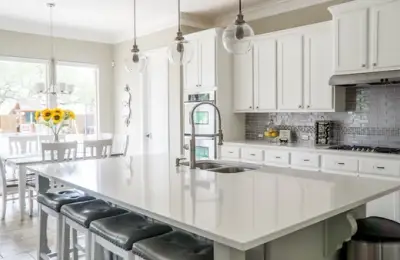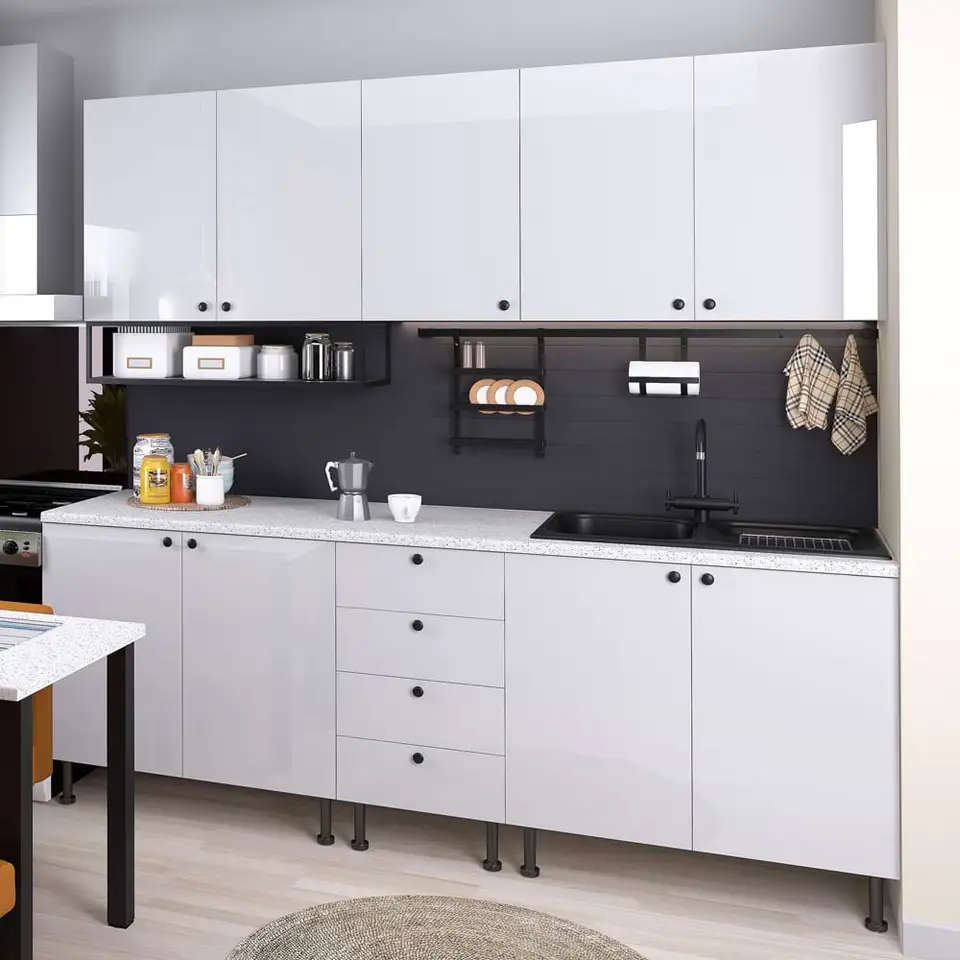
When you think about kitchen furniture, countertops, cabinets, and appliances probably come to mind… but what about legs? Well, although they are small and often overlooked, kitchen furniture legs play a much more important role than you might think. In addition to supporting the weight of the furniture, they influence stability, durability, and even the overall look of the kitchen.
Why are legs important for kitchen furniture?
Adjusts furniture height – If you have a slightly uneven floor (and who doesn't?), adjustable legs are your savior.
Protects flooring – Well-designed legs prevent scratches or unwanted damage to tiles, parquet, or vinyl.
Contributes to design – Even though they are discreet, legs can complement or beautifully contrast the furniture, adding a touch of style.
What types of legs are there? Depending on your needs and preferences, you can choose from several options:
1. Fixed Legs These are simple, solid, and ideal for spaces where the floor is perfectly straight. They are not adjustable but are very stable.
2. Adjustable Legs Perfect for kitchens where the floor has minor imperfections. You can easily adjust them to ensure the furniture is perfectly straight and stable.
3. Concealed Legs These are positioned under the furniture, covered by a plinth. You don't see them, but they do their job excellently. They fit perfectly into a modern and minimalist design.
4. Decorative Legs We're talking about a design element here. You can find them in all sorts of shapes and finishes, especially on kitchen islands or exposed cabinets.
What materials are legs made from?
Plastic – A popular choice, mainly due to its price. It is resistant to moisture but not always to intense wear and tear.
Metal – Stainless steel or aluminum. They look good, resist water, and are very durable. A good choice for modern styles.