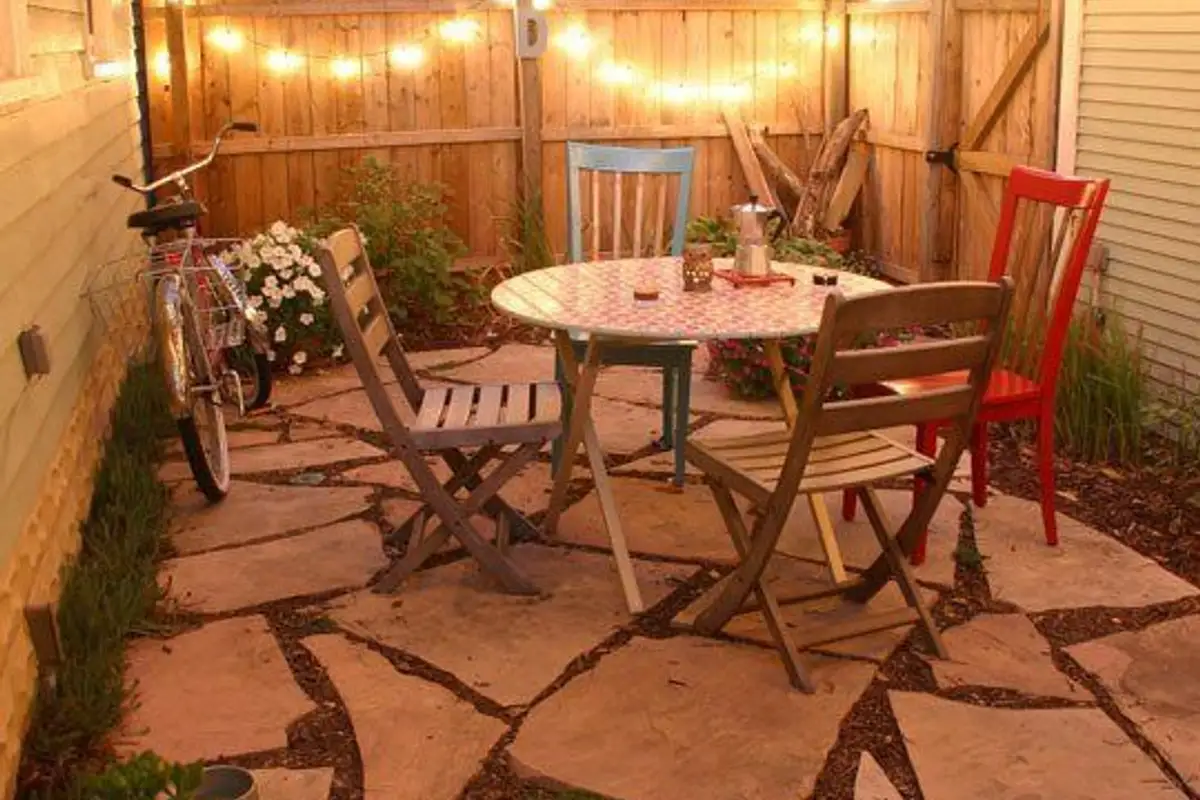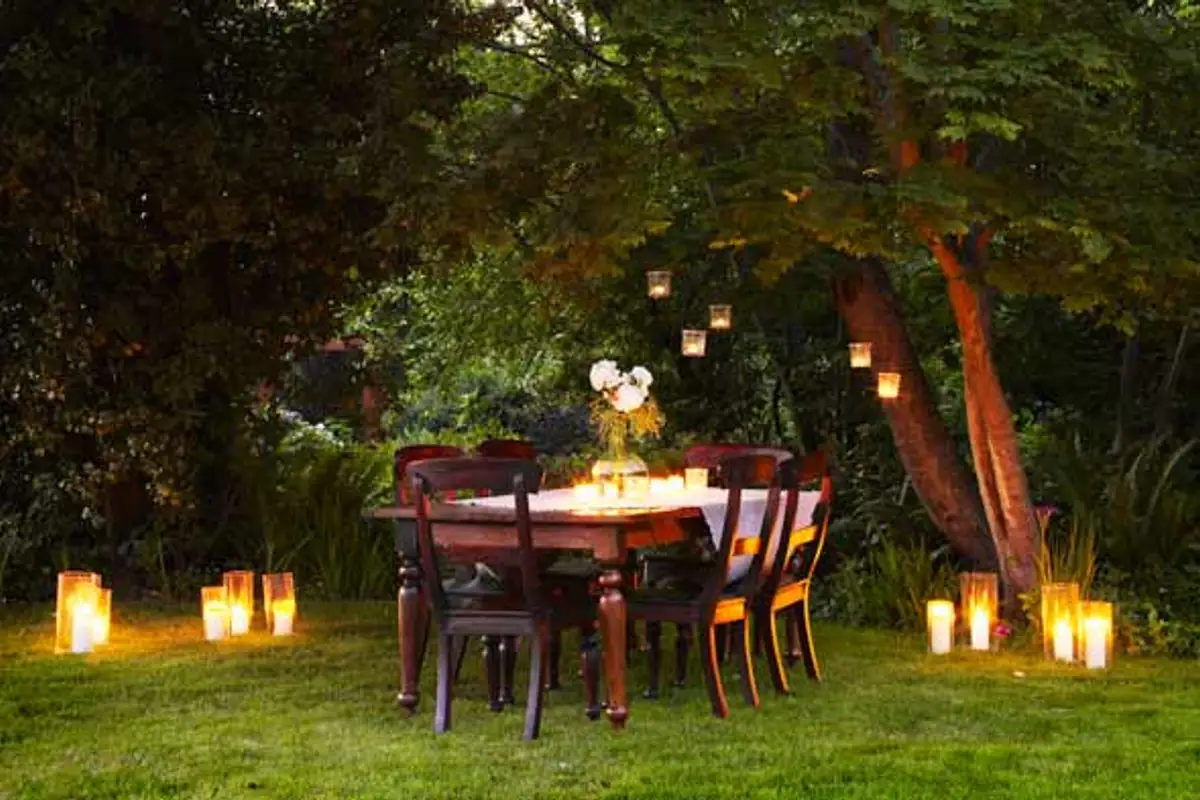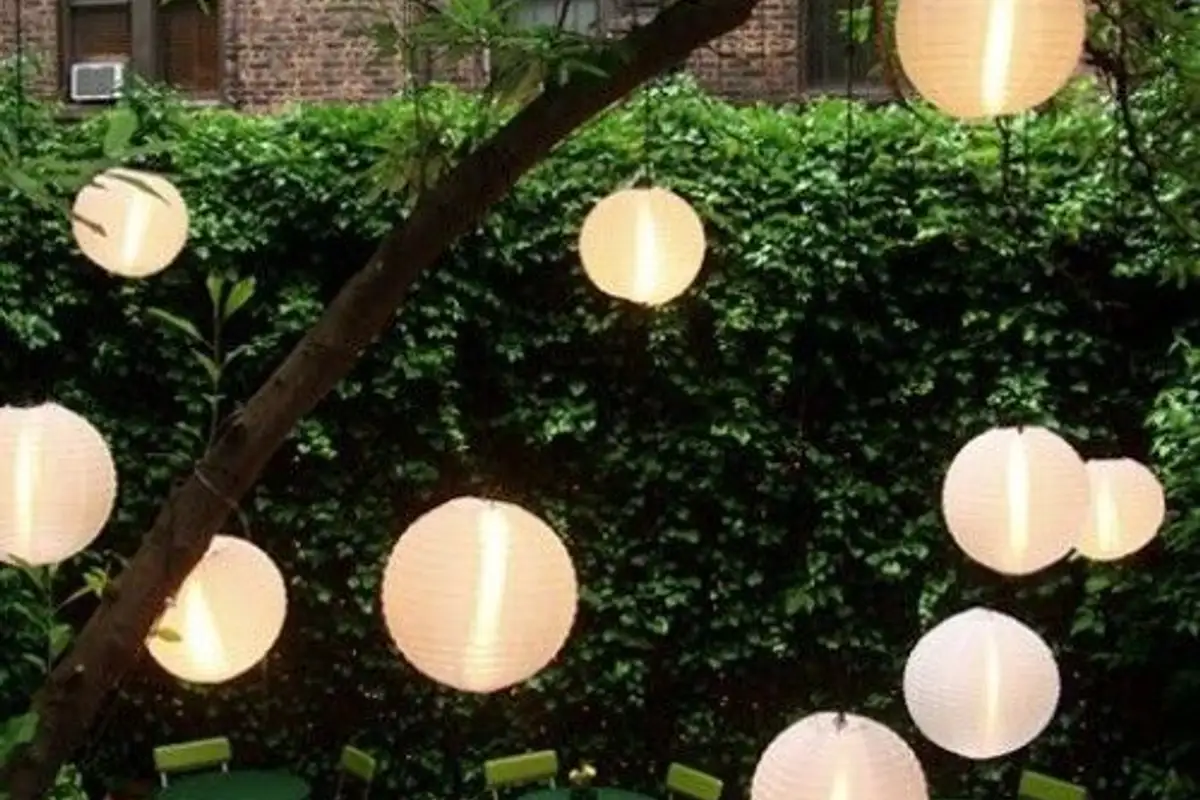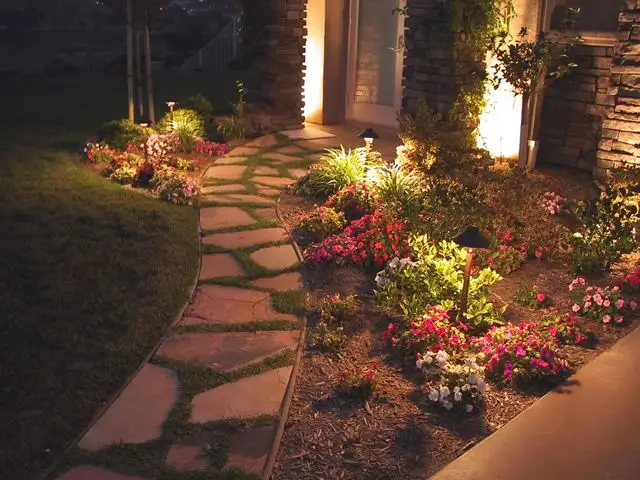
Lighting solutions are no longer limited to simple fixtures or neon lights, whether we're talking about indoor or outdoor spaces. The entire atmosphere of a garden transforms with the right lighting, and with the help of specialized advice, you can enjoy the relaxation of a green oasis during the day and the magic of an inspired arrangement at night.
The contribution of a lighting architect is evident in the final result, as they take into account all the criteria of the respective space to create a functional and aesthetic lighting solution.
That's why Povestea Casei came forward to answer questions about outdoor lighting and spoke with Roxana Mitarca, a specialist in lighting architecture. According to her, outdoor lighting should consider:
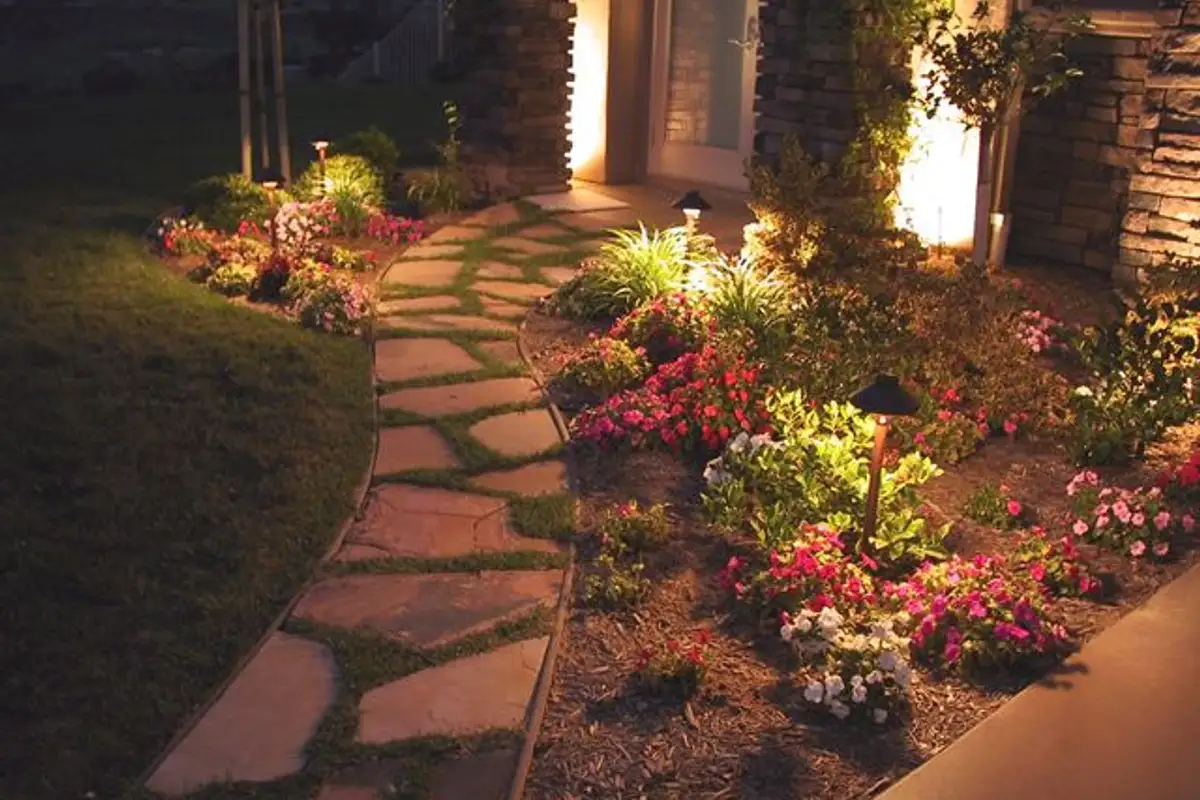
Open Galeria1. Safety Lighting This type of lighting ensures the necessary light level for circulation or important areas to avoid accidents. Adequate lighting must be used along paths, steps, and pool edges to mark these level differences. The light level should not be too strong.
Such light will only blind everyone. Ideally, in these spaces, low-level lighting is best.
This way, the adaptation process from darkness to illuminated pathways is a gentle one. Another example of safety lighting is ensuring areas with potential for crime, such as the entrance to the yard, the main door of the house, or vulnerable spots in the garden.
The owner's access on an excessively lit pathway creates strong shadows, which gives a potential criminal the advantage of hiding in the shade. Thus, one is put at risk due to blinding, while the other is advantaged by being protected by the shadow. The light level must also be adapted according to the average age of the residents.
More precisely, as we age, we need more light to be able to distinguish details.
2. Functional Lighting
3. Aesthetic Lighting
Plant lighting varies depending on their characteristics. There are plants with thin leaves, succulent vegetation, or those with waxy leaves. Trees with thin leaves, for example, offer a shimmering effect when illuminated from the bottom up, as the semi-transparent characteristic of the leaf allows some light to pass through it.
Shiny plants do not allow light to pass through them; they are opaque, and indirect lighting would cause oppressive shadows.
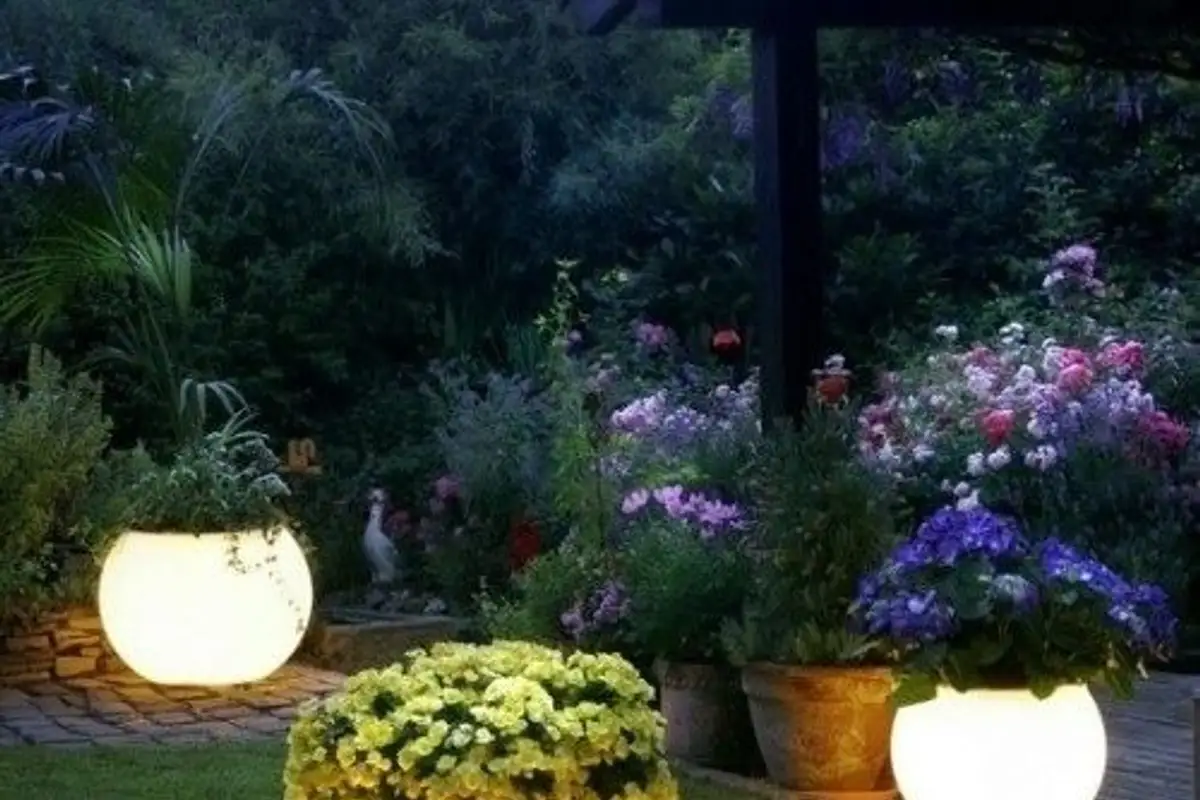
In such a setting, the luminaires are either subtle and hidden so that only a lighting effect results, or they are aesthetic decorative elements with an opacified or concealed lamp to avoid blinding.
The type of light distribution must be chosen according to the elements you want to highlight - narrow for accent elements, or wider for flower beds. The way the overall frame is treated depends on both the decor elements and the character of the person who will later enjoy the space.
The lighting architect's duty is to combine all these characteristics - safety, functionality, and aesthetics - so that in the end, the resulting frame conveys the desired emotion.