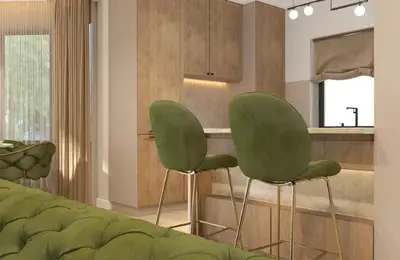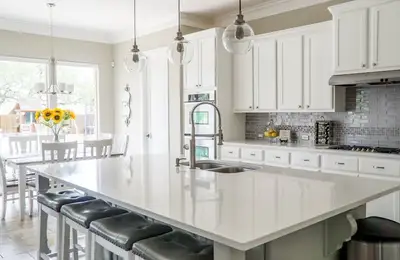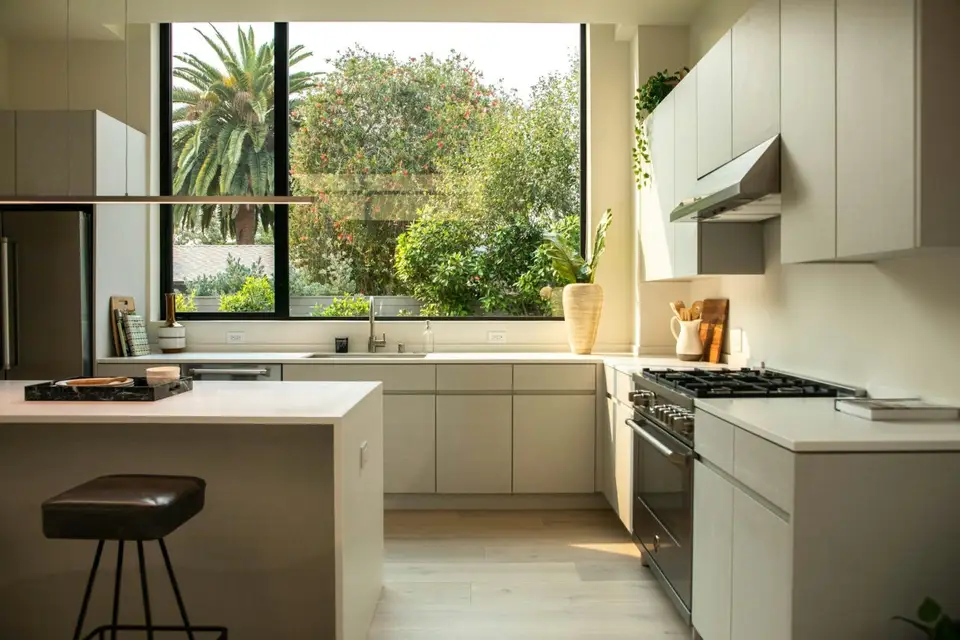
Modern kitchens are no longer just spaces dedicated to cooking, but places where aesthetics and functionality meet naturally. The balance between textures, colors, and materials influences the overall atmosphere, and seemingly small choices can transform the room into a welcoming space.
In this area, kitchen curtains become an essential element because they control light, provide privacy, and complete the style of the decor. Their choice influences every corner of the room.
An important aspect in furnishing the kitchen is how textiles integrate with the rest of the furniture. Soft fabrics, warm colors, and natural materials can make the space airier. In this context, the kitchen table becomes the center around which the flow of the room is organized. The combination between kitchen curtains and large pieces of furniture creates a visual balance.
Everything gains coherence.
The atmosphere of a kitchen depends not only on colors but also on how light circulates. Kitchen curtains can filter light to the desired level, adapting the intensity according to time and time of day. This play of transparencies helps define the space. Light becomes part of the design. Comfort increases.
Finally, the kitchen is a space where the family meets daily, and this requires a pleasant and orderly atmosphere. Well-chosen textiles bring visual peace and transform the functional space into a warm and personal one. Kitchen curtains, along with central pieces, shape your style. Thus, the kitchen becomes a place where everything feels natural.
The role of curtains in the kitchen atmosphere
Kitchen curtains are among the first elements observed in a room because they influence light and create the overall framework. Diaphanous models bring a fresh air, while dense fabrics provide privacy and an elegant touch. Each material creates a distinct visual effect. Bright colors enliven the room. Texture becomes part of the story.
The chosen model must match both the style of the room and the desired functionality. Kitchen curtains can visually delimit areas, providing a discreet background for the surrounding furniture. They can tame strong light or accentuate the natural look of wood. The final effect depends on proportions. Style becomes coherent.
How textiles relate to furniture
Furnishing the kitchen involves integrating large elements with finer textile details. The kitchen table is one of the defining pieces, influencing how you perceive the space. Round shapes create fluidity, while rectangular tables suggest order. Curtains complement this visual dialogue. The space becomes balanced.