Each person living in a yard wants to transform the space they have into a lively and resource-rich place. The desire for a productive and healthy household stems from well-thought-out decisions and practical actions that lead to food autonomy, financial stability, and a more balanced lifestyle.
In this article, you will discover practical strategies for landscaping your yard, organizing work, choosing the right tools, and involving the family.
What does it mean to manage your own household?
Those who run a small farm manage to maintain their family's health and the traditional recipe for rural life, but they also find modern solutions for everyday problems. The farm prospers if you approach it as a balanced system: each member gets involved, takes advantage of opportunities to learn and participate, and the results are not long in coming.
Reasons why investing in your own small farm is worthwhile
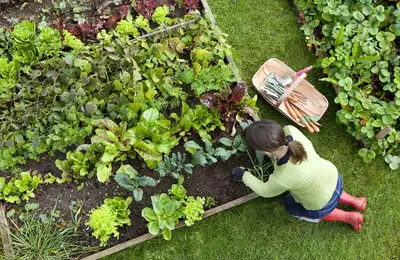
You ensure that you know what your family consumes. When you grow your own vegetables, you can choose not to use chemicals or pesticides. For many people, this option becomes increasingly important, especially when children are at the table every day.
Reduce expenses and plan your household budget. Even if the initial investment requires effort, you will quickly discover how much you can save when you produce small quantities of tomatoes, onions, eggs, or milk yourself.
Gain personal satisfaction and a positive impact on health. Physical work in the yard keeps sedentary behavior at bay, and fresh air is reflected in the mood of the whole family.
Support the environment and use reusable resources. Instead of throwing away vegetable waste, you can turn it into compost, and rainwater becomes a resource for irrigating the garden.
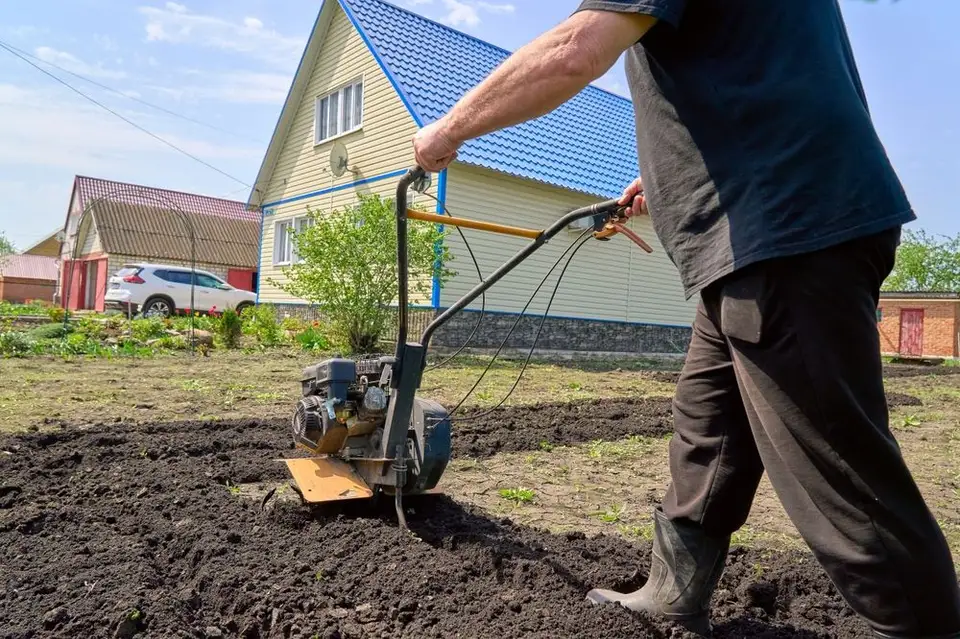
Efficient organization of a small farm – practical steps 1. Analyze the space you have and set priorities Before picking up the shovel, look at the yard as a map that needs to be used as efficiently as possible. Divide the space between garden areas, play areas, animal shelters, and storage spaces.
Measure the available area.
Note the sunny and shady areas.
Decide where you can plant vegetables and where you can install a chicken coop.
Choose to grow what can survive easiest in relation to your time, water, and initial experience. If you don't know where to start, you can test with 2-3 rows of beans, a few tomato plants, and some lettuce.