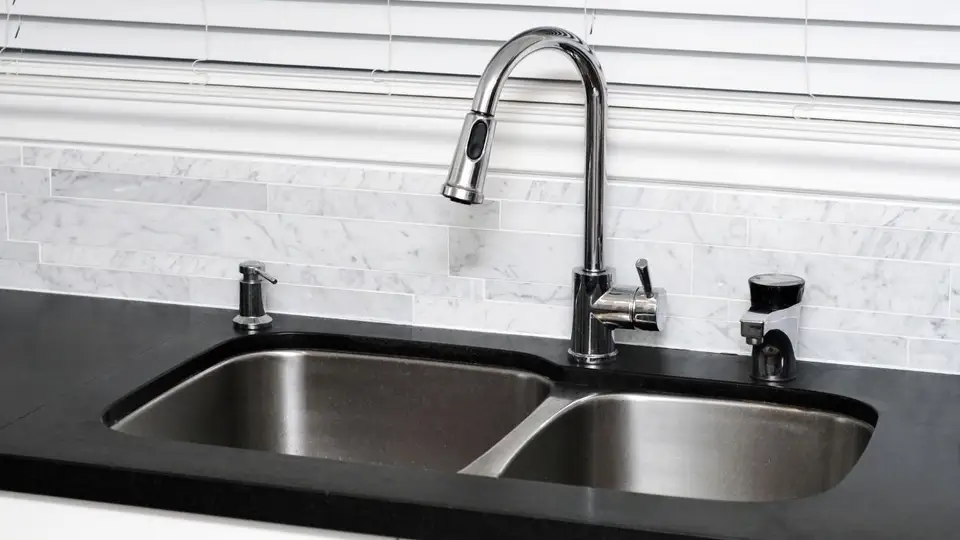
Choosing the right kitchen sink involves three main aspects: installation type (drop-in, undermount, or farmhouse), structure (single, double, or triple basin), and material, ranging from affordable stainless steel to premium options like fireclay and composite materials.
The sink size should be determined based on the available space in the cabinetry, with standard lengths between 55cm and 91cm, considering the space needed for installation and daily use.
Key Aspects:
Structure can be single basin, double basin, or triple basin, with double models having various proportions (50/50, 60/40, 70/30) to suit different needs.
Materials range from stainless steel (starting from 200 R ON) to premium options like composite granite (800-3000 R ON) and fireclay (2000 R ON).
Standard sizes are between 55-91cm in length, requiring a minimum of 5cm additional space on all sides for installation.
Installation requires accurate measurements, proper sealing with silicone, and 24 hours drying time before connecting the drainage system.
Understanding Kitchen Sink Types and Configurations
Drop-in models are installed from the top of the countertop, with visible edges above the work surface.
Undermount sinks are installed beneath the countertop, creating an elegant transition and facilitating cleaning.
Farmhouse or apron-front sinks highlight a traditional design, with the front side exposed.
Basin Configurations
Single basins: up to 106 cm perfect for compact kitchens
Double basins: up to 122 cm optimal for simultaneous activities
Triple basins: up to 152 cm ideal for spacious kitchens
For double-basin sinks, the split ratio influences functionality:
50/50: uniform division, optimal for washing and rinsing
60/40: larger main basin for bulky dishes
70/30: practical configuration for intensive cooking
Optimal sink placement should consider the dishwasher's position and the user's dominant hand preference for an ergonomic kitchen experience.
Selecting the Right Size for Your Space
Factors to Consider
Here are the main aspects that will help you make the right decision, according to experts from casatips.ro:
Available countertop space: ensure at least 5 cm of extra space on all sides
Frequency of use: large families benefit from larger sinks
Size of frequently used dishes
Cabinet depth should be at least 15 cm deeper than the sink depth
Countertop workspace needed: maintain a minimum of 40 cm on each side of the sink