In the context of rising energy costs and concerns about climate change, improving your home's energy efficiency can not only significantly reduce utility bills but also contribute to environmental protection.
Implementing efficient thermal insulation solutions, utilizing solar energy, and optimizing heating systems are essential steps in creating a more sustainable home. In this article, we will explore some of the best practices for saving energy and reducing utility costs.
Thermal insulation: The foundation of energy economy
Thermal insulation of walls, windows and doors, and the roof is essential. For walls, you can choose solutions such as mineral wool or expanded polystyrene, which provide excellent thermal insulation. Proper insulation of windows and doors – using high-quality windows and doors – can prevent heat loss and improve the thermal efficiency of your home.
Don't forget about the windows! Installing double or triple-paned windows can reduce energy loss and provide superior acoustic insulation. Thermally insulating windows, with an argon layer between them, have a much greater capacity to maintain a constant temperature inside your home.
The use of solar energy: A clean and economical energy source
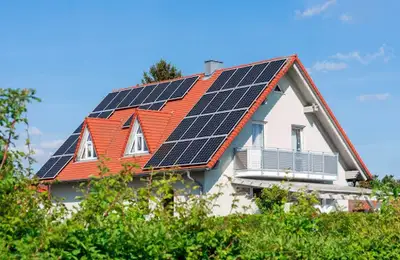
Photovoltaic solar panels are ideal for generating electricity, which can be used to power appliances in a home. Depending on the size of the house and energy requirements, solar panels can cover a significant portion of the monthly electricity consumption.
Furthermore, thermal solar panels can be used for heating domestic water, further reducing the need to use electrical or gas-powered systems for heating.
Installing solar panels may seem like a larger initial investment, but costs can be recouped within a few years due to savings on energy bills. Additionally, in many countries there are financial incentives or subsidies that can help reduce initial costs.