The integration of indoor plants into home design not only enhances the aesthetics of a space but also contributes to creating a healthy and balanced environment. Plants add freshness, color, and vitality, transforming any room into a sanctuary of peace and natural beauty. Moreover, they purify the air, reduce stress, and promote overall well-being.
Benefits of Indoor Plants
In addition to their decorative role, indoor plants offer numerous advantages:
Air Quality Improvement: Plants absorb carbon dioxide and release oxygen, contributing to a healthier environment.
Stress Reduction: The presence of plants in living spaces can decrease stress and anxiety levels, promoting relaxation.
Humidity Increase: Through the process of transpiration, plants release water vapor, maintaining optimal humidity in rooms.
Noise Attenuation: Leaves and stems can absorb sounds, contributing to a reduction in noise pollution.
Creative Ways to Integrate Plants into Decor
Vertical Gardens: For small spaces, vertical gardens are an ingenious solution. Mounting panels or shelves on walls allows for plant exposure without occupying floor space. This approach adds an interesting visual element and maximizes the use of available space.
Hanging Plants: Using hanging pots or macrame to suspend plants from the ceiling or special supports adds dynamism and depth to a room. This method is ideal for trailing plants, such as ivy or philodendron.
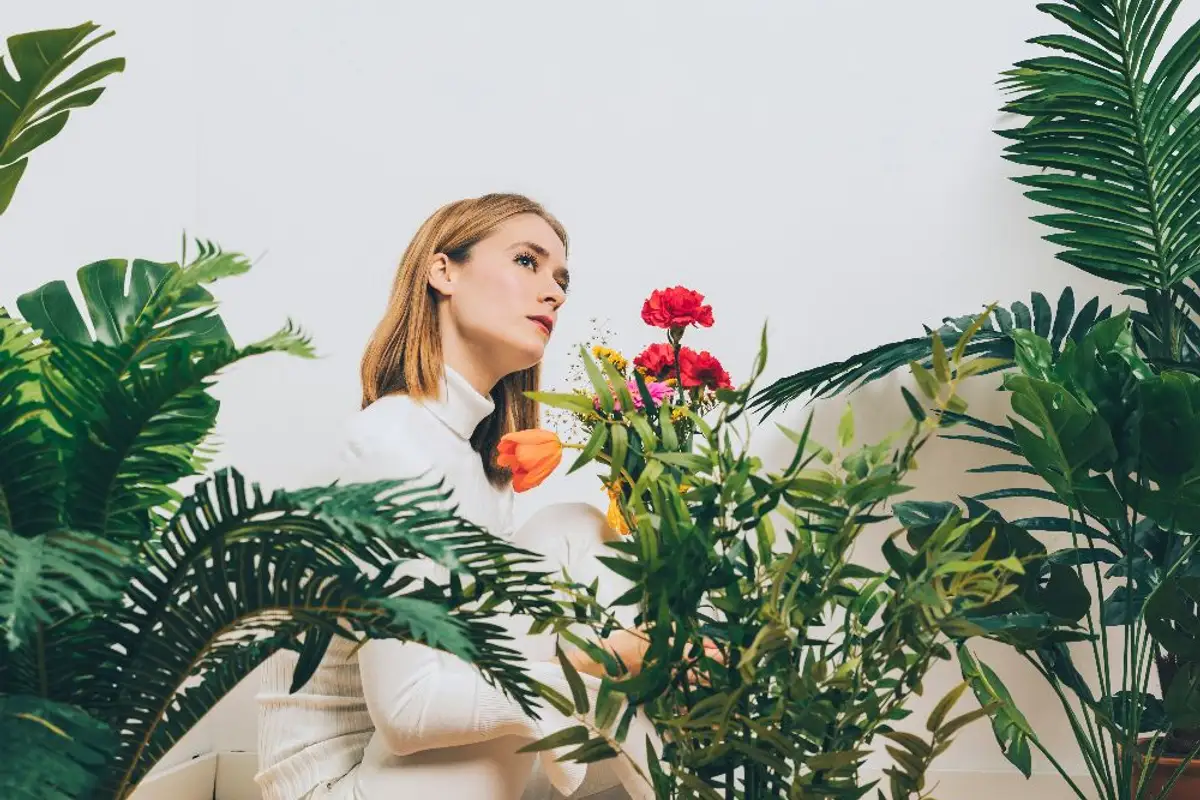
Green Corners: Creating a dedicated corner for plants can transform an unused space into a relaxation oasis. Grouping plants of different heights and textures creates a harmonious and appealing arrangement.
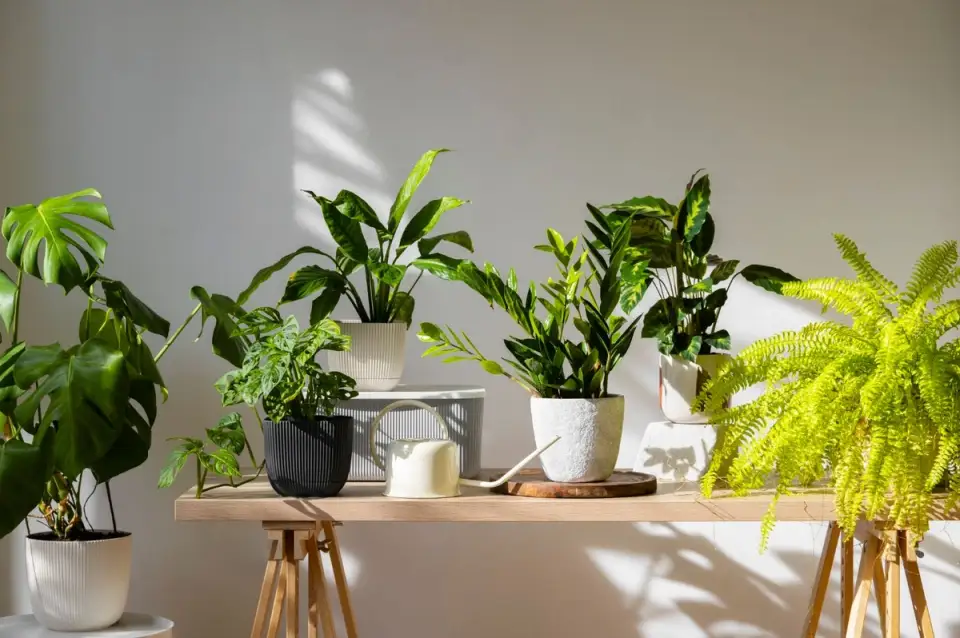
Plants on Furniture: Placing plants on shelves, tables, or windowsills adds natural accents and enriches the decor. For example, succulents placed on a desk or ferns on shelves bring a touch of freshness and style.